Editorial: Hotter summers will necessitate aggressive mitigation
Published in Op Eds
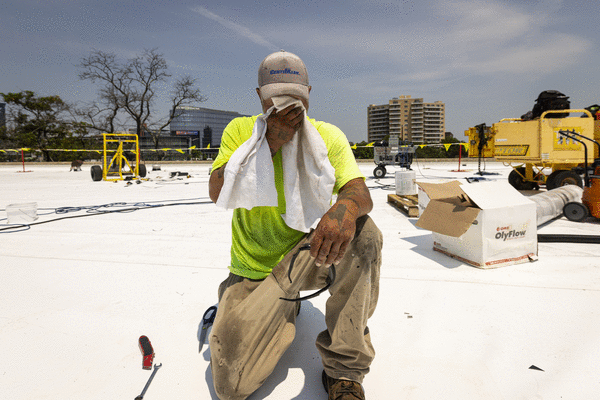
We aren’t yet finished with what has undeniably been a long, hot summer — emphasis on the hot. The weather this summer has brought alternating drought and floods, but almost always excessive heat (made worse, of course, by accompanying humidity).
That can be dangerous and even life-threatening. In recent years, heat waves have sent increasing numbers of Virginians to hospital emergency rooms. From May to September last year, state health department records show, heat-related illnesses accounted for 1,088 emergency room visits in the eastern region that includes our communities.
Figures through late July this year showed another season of above-average heat-related visits to emergency rooms unfolding here. By July 21, 788 people had sought help for heat problems – 57% more than the average number recorded by that date. Every city in Hampton Roads was listed as one of those having the state’s highest rates of emergency room visits.
The Fourth of July weekend, with record high temperatures, was especially bad.
We can’t make the mistake of assuming that this is an anomaly. Scientists tell us that climate change fueled by greenhouse gases will continue to make average temperatures higher and dangerous heat waves more frequent. We will also face warmer nights that offer little cooling relief, and higher humidity that makes it feel even hotter. Humidity endangers people even more because their sweat can’t evaporate and cool their body naturally.
It doesn’t help that the Trump administration has abandoned efforts to combat climate change while promoting greater reliance on carbon-producing fossil fuels.
What that all means is that people will be in more danger of falling victim to illnesses related to heat. That can include cramps and dehydration, feeling faint and passing out. Or they can be even more serious. Heatstroke, when the body loses its ability to cool down and its temperature rises rapidly, can cause organ failure, brain damage and death. Heat can trigger a heart attack or complications of diabetes. It can be a threat for pregnant women, infants and young children. Heat can affect someone’s thinking, leading to increased accidents, including in the workplace.
Most of us know the recommended precautions for dealing with excessive heat: Drink plenty of fluids. Avoid alcohol, sugary drinks and caffeine, and eat easily digested foods. Use sunscreen and wear hats. Stay in the shade and take it easy. Avoid being outside, and especially avoid being active, when temperatures are highest. Wear light, loose clothing. Take a bath or shower, spray yourself or use a wet towel to cool off. Seek out cool places.
Not everyone, however, has equal opportunity to take those precautions. Urban areas without many green spaces have high rates of heat-related problems. Homeless people and those who can’t escape the sun are especially at risk.
Local and state governments, realizing that the health dangers of excessive heat continue to rise, will need to adopt more aggressive mitigation strategies. That includes making public cooling centers available and easily accessible for longer periods. Urban areas should make preserving and creating more green spaces with shade a priority.
Government agencies should limit the time employees must work in the heat. For that matter, private employers also should adopt safe limits for heat exposure for their workers.
Looking to the future, for the good of the nation and the world, all Americans should acknowledge that climate change is a real problem that needs serious attention. Our government should work with other countries and be a leader in promoting wind, solar and other alternative, cleaner energy sources.
Individuals should consider walking, bicycling and taking public transportation instead of always driving their own vehicle. We should work to reduce energy use and other consumption.
More long, hot summers and other aspects of climate change are a threat to everyone’s future. That’s certainly true here in Hampton Roads, where we face not only the heat but also the rising sea levels and increased flooding related to warming. It’s past time to take action.
_____
©2026 The Virginian-Pilot. Visit at pilotonline.com. Distributed by Tribune Content Agency, LLC.





















































Comments