The more Fox News a white American watches, the more likely they are to believe in a racist conspiracy theory, regardless of party affiliation and demographics
Published in Political News
During a Washington Nationals baseball game on May 17, 2026, three people unfurled a large banner from the upper deck of Nationals Park displaying a link to a white nationalist website.
The website, warning of the replacement of whites by people of color, called for the deportation of 100 million people from the United States.
The disturbing incident reflects the broader ascendance of the “great replacement theory,” the xenophobic conspiracy theory asserting that shadowy elites are embracing permissive immigration policies to replace native-born white Americans with immigrants of color.
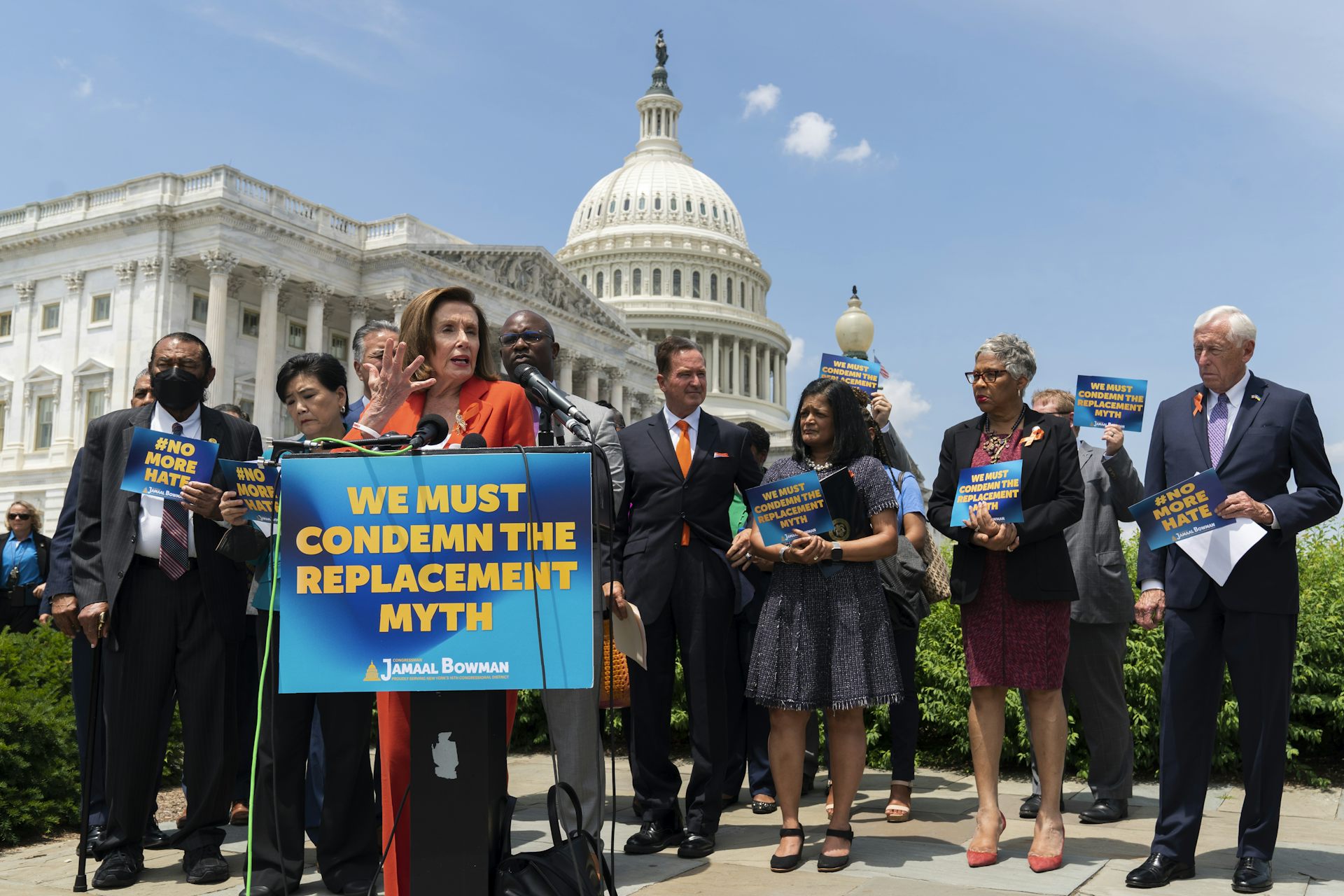
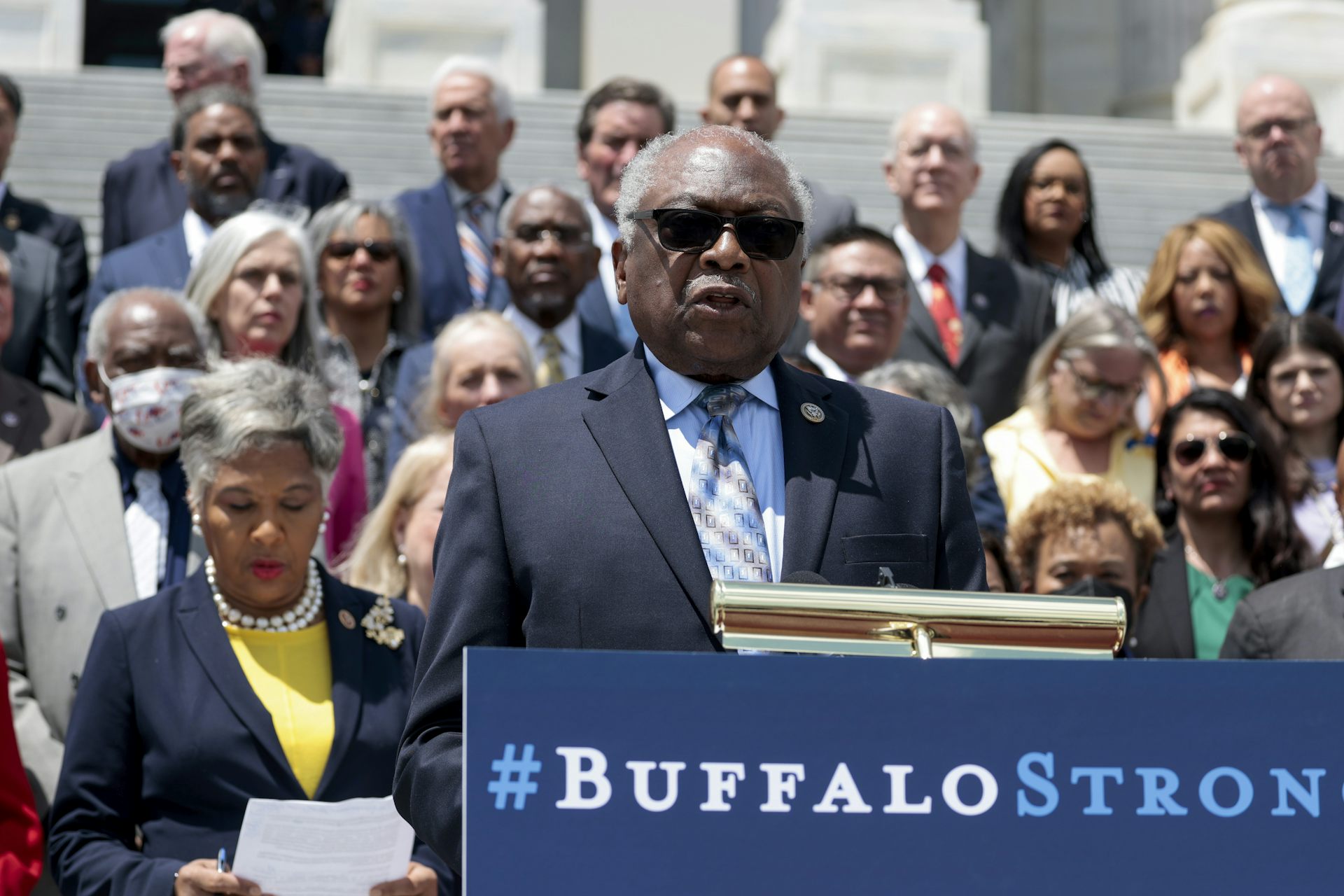
Prominent Republicans, including President Donald Trump, Speaker of the House Mike Johnson and conservative podcaster Tucker Carlson, have echoed ideas associated with the great replacement theory. And conservative media outlets, such as Fox News, have disseminated them to millions of viewers.
But are the xenophobic ideas recently expressed at Nationals Park limited to a small number of extremists, or are they also endorsed by the broader public? If the latter, how do political and media elites contribute to their spread?
To answer these questions, our team has conducted several nationally representative surveys that ask Americans about their support for key tenets of the great replacement theory.
We consistently found that a substantial minority of Americans agree with the sentiment that new immigrants threaten the political, cultural and economic power of white Americans. In our latest poll of 1,000 Americans fielded in March 2026, 36% agreed with the statement: “Native-born Americans are losing their economic, political, and cultural influence in this country because of the growing population of immigrants.”
A notable number of Americans – 26% – also believed political elites are trying to “replace” the existing white population, agreeing with the statement: “There are people who secretly work to make sure immigrants will eventually replace real Americans.”
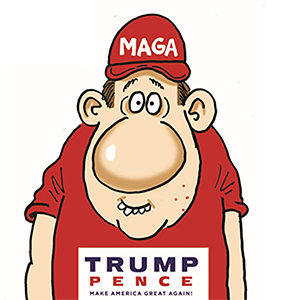
Support for these beliefs is concentrated most heavily among white Americans, Republicans, conservatives and self-identifying members of Donald Trump’s Make America Great Again movement. Indeed, more than 3 in 4 members of the MAGA movement and close to 6 in 10 Republicans agreed with the statement: “Immigrants invade and colonize the United States.”
But what explains this spread of the great replacement theory?
In our newly published, peer-reviewed study, we used nationally representative panel survey data that tracked over 500 white Americans over time to attempt to answer this question.
We found that white Americans who identified as Republican, who are conservatives and who have negative views of people from other racial backgrounds are all more likely to express support for key tenets of the great replacement theory. Moreover, we uncovered clear evidence that white Americans who watch Fox News are also more likely to agree with the conspiracy theory.
Given the popularity of Fox News, we believe this latter point deserved further investigation. As detailed in our paper, while 39% of all white Americans agree that immigrants invade and colonize the U.S., 61% of white Americans who watch Fox News agree with this view. Even when taking into account partisan identification, ideology, racial attitudes and demographic characteristics, Fox News viewership remains significantly associated with more support for the great replacement theory.
Additionally, because we tracked white Americans over time, we could observe changes in their support for the conspiracy theory in response to variations in their viewership of Fox News. Simply put, the more Fox News programming that a white American watches, the more likely they are to adopt the conspiracy theory.
Our research builds on decades of work showing that public opinion is strongly influenced by media consumption. Recent scholarship, in particular, highlights the influence of Fox News on public opinion. It shows how exposure to Fox News leads Americans to express more conservative attitudes about the COVID-19 pandemic, immigration policies and criminal justice issues.
Given the attention that Fox News hosts, elected officials and pundits dedicate to the great replacement theory, our results suggest that this coverage has indeed influenced the views of white Americans. The great replacement theory is no longer purely on the fringes of society.
In our view, this is troubling, not only because the conspiracy theory treats immigration as an existential issue — where the stakes are framed as the very preservation of one’s self and country — but also because the theory is also linked to numerous instances of political violence directed at people of color and religious minorities.
As America approaches its 250th birthday, the nation will no doubt continue to grapple with the topic of immigration, race and what it means to be an American.
While there’s plenty of room for disagreement over immigration policy, conspiracy theories make it much harder to find common ground or craft political compromises. What we’ve found is that when prominent media embrace conspiracy theorizing, increased public endorsement of conspiracies will follow.
This article is republished from The Conversation, a nonprofit, independent news organization bringing you facts and trustworthy analysis to help you make sense of our complex world. It was written by: Tatishe Nteta, UMass Amherst; Adam Eichen, UMass Amherst, and Jesse Rhodes, UMass Amherst
Read more:
Why a growing number of Trump supporters are experiencing voter’s remorse
The term ‘lone gunman’ ignores the structures that enable violence
Active Clubs are white supremacy’s new, dangerous frontier
Tatishe Nteta receives funding from the Russell Sage Foundation.
Jesse Rhodes receives funding from the National Science Foundation, the Spencer Foundation, and Demos.
Adam Eichen does not work for, consult, own shares in or receive funding from any company or organization that would benefit from this article, and has disclosed no relevant affiliations beyond their academic appointment.




















































Comments