Supreme Court’s ‘shadow docket’ brings hasty decisions with long-lasting implications, outside of its usual careful deliberation
Published in Political News
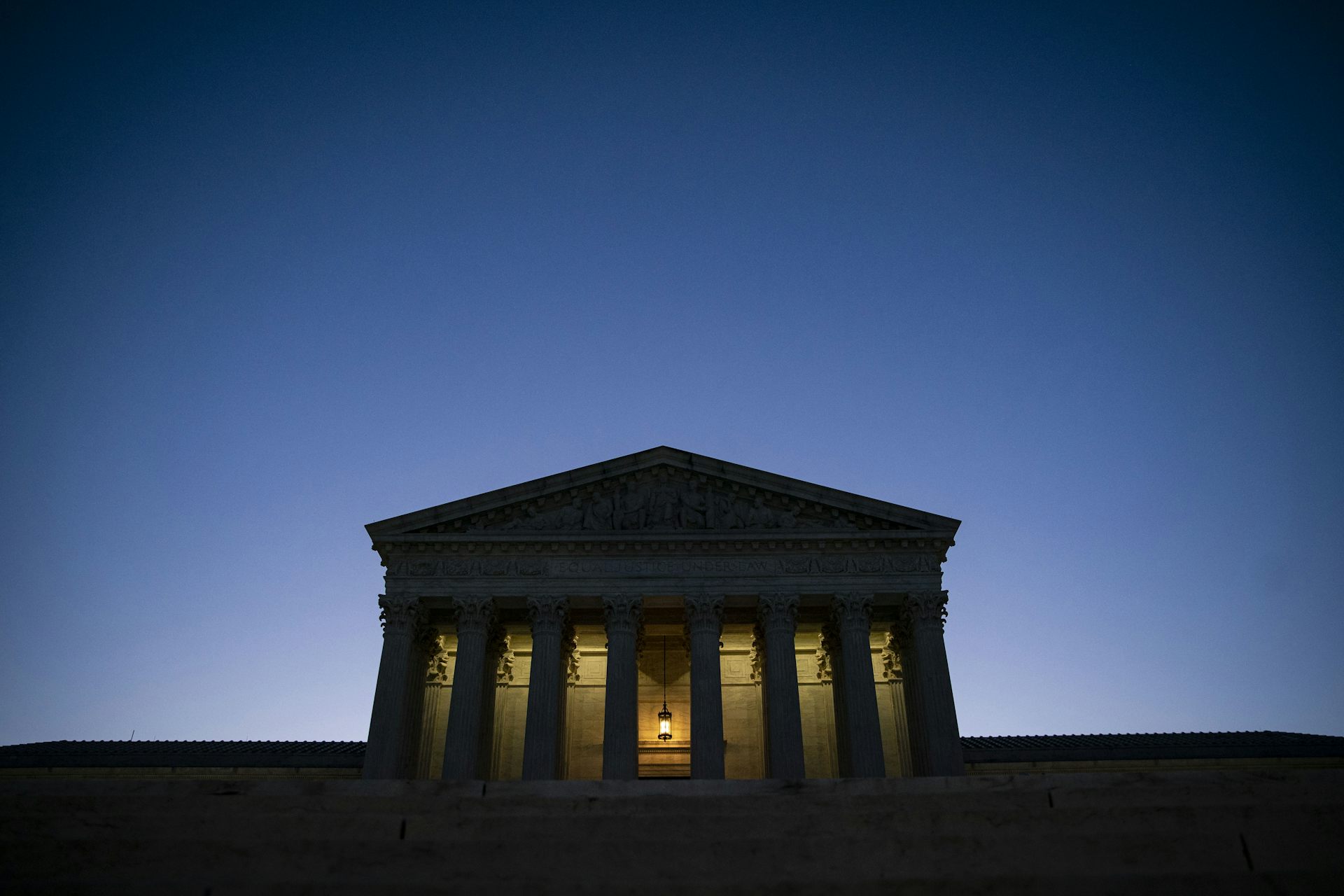
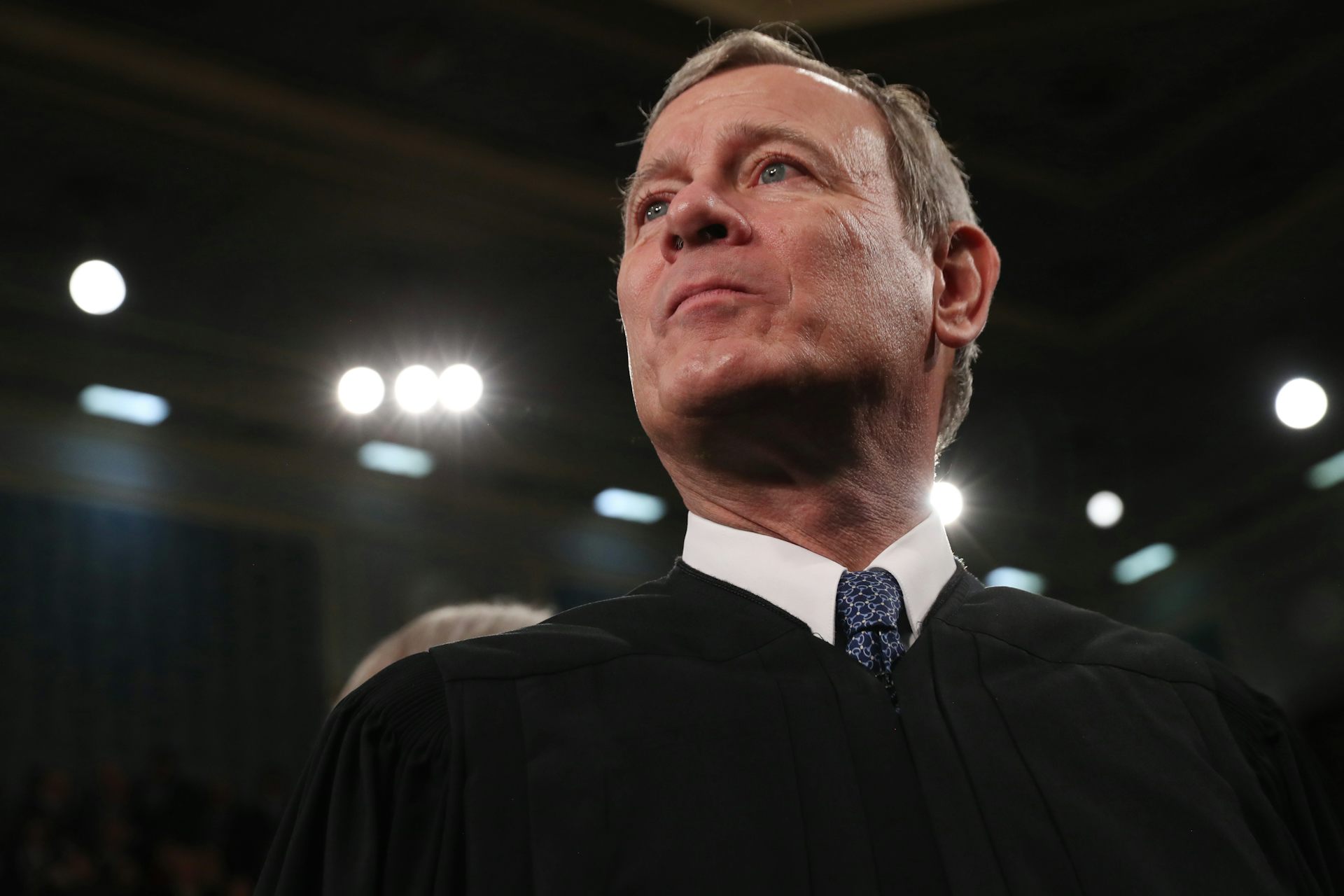


The recent publication of confidential Supreme Court memoranda by The New York Times has brought to light a pivotal moment in the court’s history. “The birth of the Supreme Court’s shadow docket has long been a mystery,” wrote reporters Jodi Kantor and Adam Liptak. “Until now.”
Originally coined by legal scholar William Baude, the term “shadow docket” refers to the Supreme Court’s emergency docket, which, as Baude wrote, includes “a range of orders and summary decisions that defy its normal procedural regularity.”
That’s law professor-speak for cases that are given abbreviated consideration and accelerated review by the justices, all out of public view – what The New York Times story referred to as the court “sprinting.” These cases aren’t included in the annual list of cases the justices have chosen to consider and that are presented by attorneys in public sessions, called “oral argument,” at the court.
During the second Trump administration, such shadow docket cases have proliferated as President Donald Trump has continued to push boundaries, challenge precedents and expand executive power. These cases have typically involved a request by the presidential administration “to suspend lower court orders” that temporarily block “an administration policy from taking effect,” according to liberal legal advocacy group the Brennan Center for Justice at New York University School of Law.
The lack of transparency in considering and ruling on the shadow docket, combined with the weight of the issues presented to the court via that docket, mean that the practice has come under strong criticism by many court watchers. Here’s how the process works and what you need to know to evaluate it.
The emergency docket is different from the court’s merits docket, which is the customary path for cases to reach the Supreme Court.
Ordinarily, in federal courts, a case begins in a federal district court. An appeal of the decision in the case is made to a federal appeals court. If a party in the case wants to appeal further, they can aim for U.S. Supreme Court review. That requires filing a “petition for writ of certiorari” to the court.
The Supreme Court does not take all the cases for which it has been petitioned. The court holds complete discretion to choose which cases to consider each term and always rejects the vast majority of petitions that it receives. By custom, the court agrees to consider a case if at least four justices vote to grant the writ of certiorari.
For the cases that the court agrees to consider, the parties to that case file briefs – written legal arguments – with the Supreme Court. Third parties can also file briefs with the court to assert their own arguments; these are known as “friend of the court” or amicus curiae briefs.
The justices then read those briefs and hear oral arguments in the case in a public session, during which they can question attorneys for both sides, before they meet and confer. At the end of this conference, the justices vote on the outcome in the case before assigning an author to draft the opinions.
The merits docket – the ordinary process – is methodical. It promotes deliberation and reasoned decision-making resulting in lengthy opinions that explain the justices’ rationale and provide guidance for lower courts in future cases.
On the other hand, the emergency docket is a process whereby the court makes quick decisions without full briefing and deliberation, and it produces orders and rulings that almost always present little to no explanation.
As Baude wrote, “Many of the orders lack the transparency that we have come to appreciate in its merits cases.”
Most of the court’s rulings and orders in cases on the emergency docket go without explanation. On occasion, however, the court produces short opinions that provide some explanation in emergency docket cases, albeit these are often dissents from the justices who disagree with the ruling.
Transparency is important, especially for the Supreme Court, because it builds trust and legitimacy. According to Gallup, as of September 2025, 42% of respondents approve, 52% disapprove and 6% have no opinion of the Supreme Court. A 2025 Pew Research Center poll found that 48% of Americans have a favorable view of the court, down from 70% five years earlier.
As a constitutional law scholar, I’ve written elsewhere that the low approval might be attributable to the court’s undisciplined overruling of landmark cases regarding individual rights, such as the abortion rights case Roe v. Wade. In my view, it is reasonable to conclude that the court’s lack of transparency, specifically with its growing emergency docket, contributes to distrust in the court.
As the late Justice Sandra Day O’Connor stated, “The Court’s power lies … in its legitimacy, a product of substance and perception that shows itself in the people’s acceptance of the Judiciary as fit to determine what the Nation’s law means and to declare what it demands.”
Conversely, a lack of transparency breeds distrust and erodes institutional legitimacy.
The 2016 case at the center of the memoranda published by The New York Times –West Virginia v. EPA – concerned environmental regulation. As the justices’ memoranda illustrate, West Virginia, North Dakota and several energy companies sued the Obama administration over its Clean Power Plan and sought to block the new, transformative regulation from going into effect.
The Clean Power Plan would have required states and energy companies to shift electricity production from higher-emitting to lower-emitting production methods to reduce carbon dioxide emissions.
After losing at the trial court, the states and energy companies filed an emergency appeal to the Supreme Court asking the justices to pause the Obama regulation from going into effect while the parties litigated the case in the lower courts.
This was a highly unusual request because, as Taraleigh Davis at SCOTUSblog confirms, “nobody had previously asked the court to halt such a major executive regulatory action before any appellate court had ruled on it.”
The court granted the unprecedented stay on Feb. 9, 2016, without any explanation as to why it temporarily blocked the Clean Power Plan. It eventually struck down the plan on June 22, 2022.
Defenders of the emergency docket frequently claim that the court’s conduct is permissible because its orders are temporary. In West Virginia v. EPA, the court temporarily blocked the Clean Power Plan from going into effect until it eventually struck it down after hearing the case on its merits docket.
What is overlooked, however, is that even temporary orders from the court can have lasting implications that are difficult, and in some cases impossible, to undo.
Consider the example of one of Trump’s immigration actions.
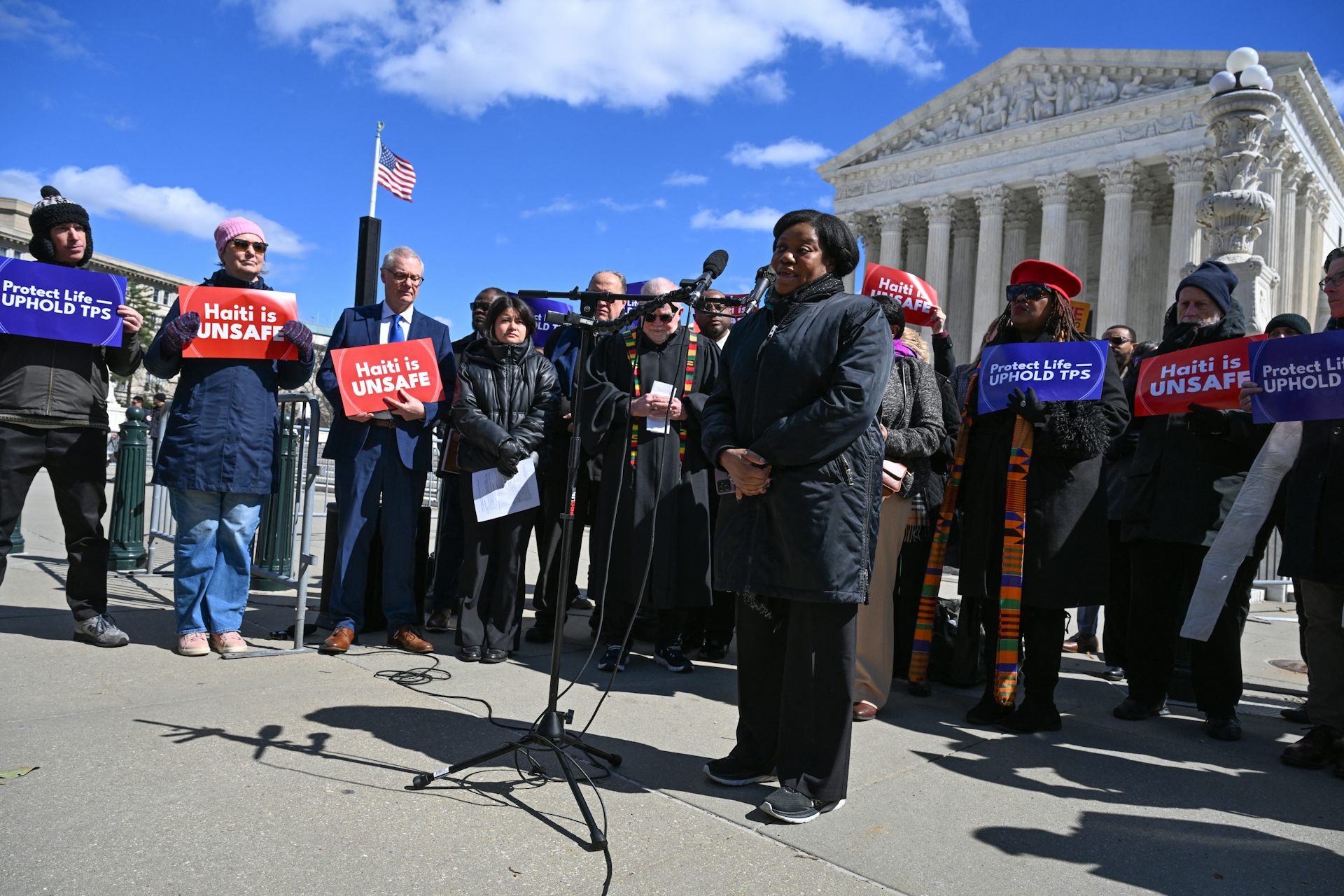
The administration seeks to terminate the temporary protected status for Haitian nationals, which had shielded them from deportation. But a federal district court temporarily blocked the president from doing so as the litigation continued.
The administration then filed an emergency appeal to the Supreme Court – still pending as of this writing – asking the court to overrule the district court. If granted, the court effectively would allow the administration to revoke TPS for Haitian nationals.
As an amicus brief in the case articulated, if TPS is revoked, Haitians “will be forced to face the untenable options of leaving behind their citizen children and/or partners, bringing family members with them to a country submerged in crisis, violence, and food insecurity, or staying in the U.S. without any legal status or work authorization and facing the constant threat of deportation.”
In other words, if the Supreme Court overrules the district court in this case on its emergency docket, then the Trump administration could deport the Haitian nationals even as their cases challenging the revocation of their TPS continue.
If the Haitian nationals ultimately prevail, reversing their deportation would be exceptionally difficult to do.
This article is republished from The Conversation, a nonprofit, independent news organization bringing you facts and trustworthy analysis to help you make sense of our complex world. It was written by: Wayne Unger, Quinnipiac University
Read more:
If Justice Alito resigns before the midterms, a Trump nominee to the Supreme Court is likely to sail through confirmation
Why Jimmy Kimmel’s First Amendment rights weren’t violated – but ABC’s would be protected if it stood up to the FCC and Trump
As a former federal judge, I’m concerned by a year of challenges to the US justice system
Wayne Unger does not work for, consult, own shares in or receive funding from any company or organization that would benefit from this article, and has disclosed no relevant affiliations beyond their academic appointment.



















































Comments