ICE’s heavy-handed immigration enforcement was tried once before – by Arizona’s notorious sheriff Joe Arpaio in the early 2000s
Published in Political News
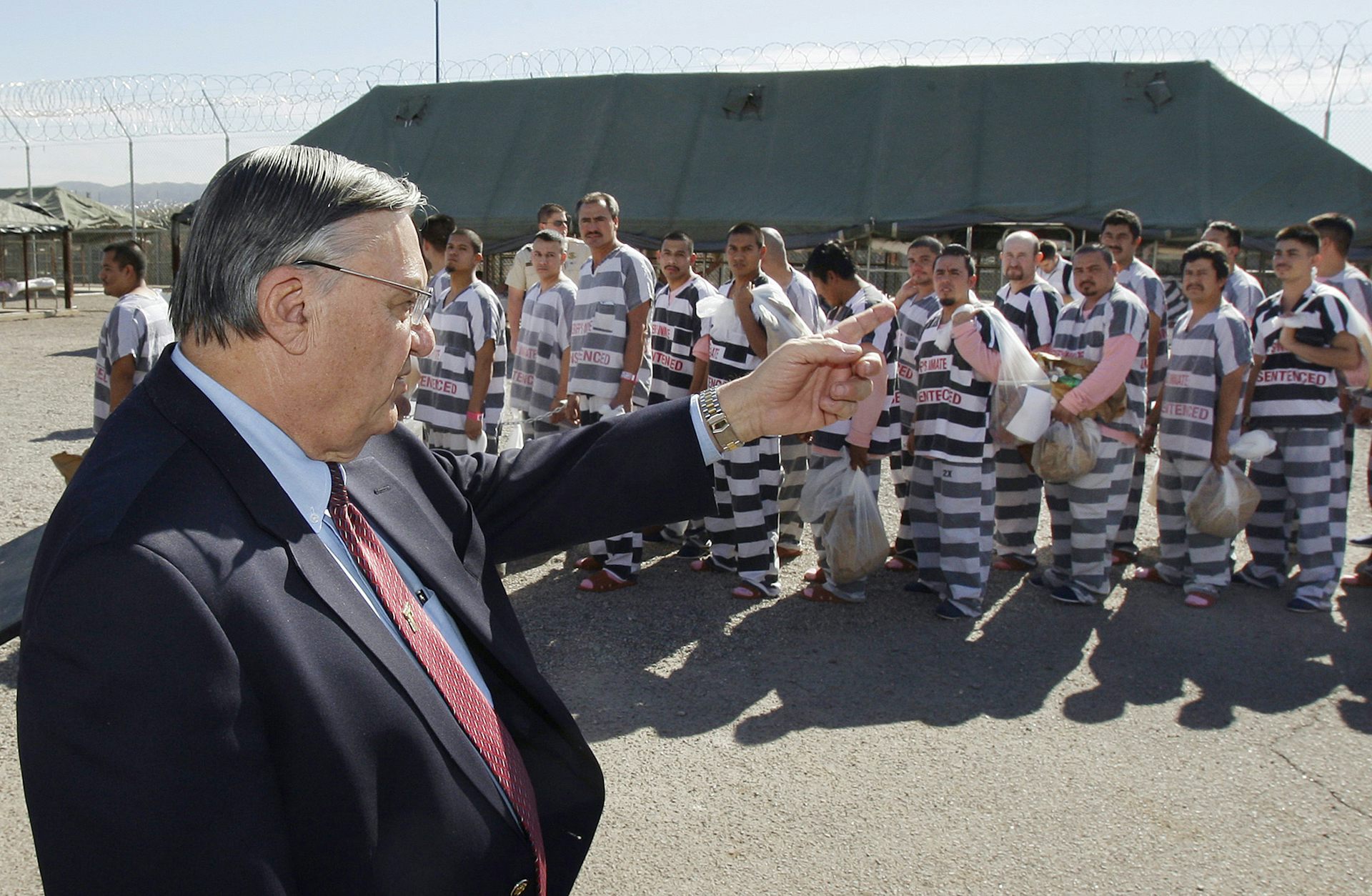
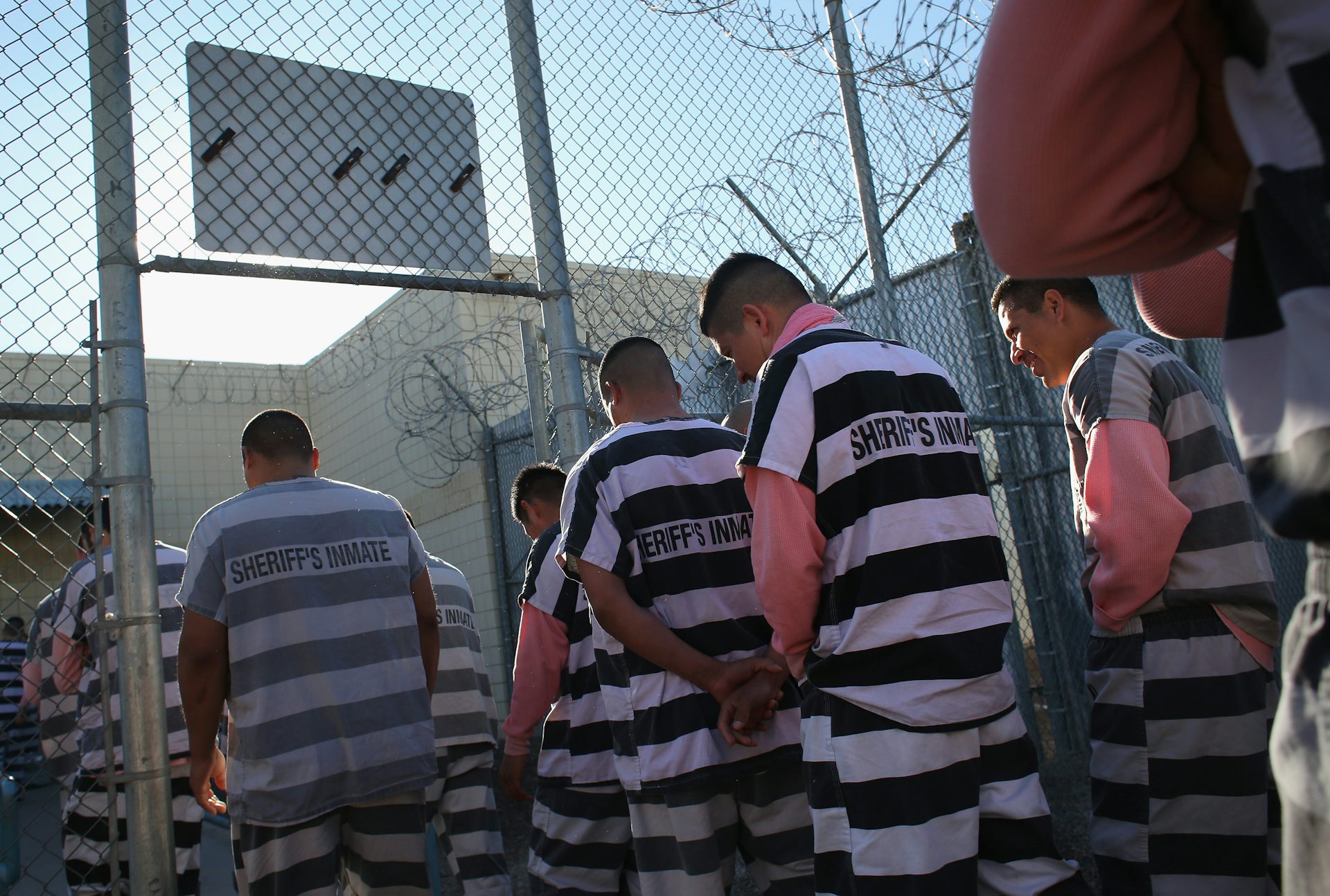


For the past 13 years, Maricopa County in Arizona has attempted to reform its sheriff’s department after Joe Arpaio made it into a national flash point for extreme immigration tactics. After a legal immigrant sued Arpaio and the county Sheriff’s Office, a federal district court ruled in 2015 that Arpaio and his deputies relied on racial profiling to target Latinos.
Arpaio was at the center of that suit. From 2006 to 2017, he implemented his own immigration detention program, instructing deputies to detain anyone who did not carry a valid identification and did not speak English. One U.S. Department of Justice attorney characterized Arpaio as overseeing “the worst pattern of racial profiling by a law enforcement agency in U.S. history.”
Federal oversight has since aimed to reform the sheriff’s department and improve trust with the county’s Latino residents, which had been destroyed under Arpaio’s tenure.
As a historian of U.S. immigration, I believe Arpaio’s immigration detention methods are clearly echoed in the hardline immigration policies devised by presidential aide Stephen Miller. That’s evident in actions by immigration agents with Immigration and Customs Enforcement and Customs and Border Protection that have been described as inhumane by some lawmakers and civil rights groups.
From his election to sheriff in 1993 until 2017, Arpaio made constant headlines for his creation of a tent jail and his heavy-handed immigration enforcement tactics.
Using surplus army tents from the Korean War to house up to 1,700 inmates, Arpaio built Tent City in August 1993 to address overcrowding in Phoenix jails. By the time the jail closed in 2017, Sheriff Paul Penzone estimated that running Tent City cost taxpayers US$8.5 million annually.
Tent City was initially used for detaining criminals, but after 2009, Arpaio used the facility for housing detained immigrants.
News reports said Arpaio forced inmates to wear pink underwear and often fed them expired food and undrinkable water. The tents did little to shield inmates from the Arizona desert, where temperatures rose to 130 degrees Fahrenheit, (54 degrees celsius) at times. Tent City stirred a national uproar.
Starting in 2006, Arpaio and Maricopa County sheriffs engaged in a pattern of “unlawful discriminatory police conduct directed at Hispanic persons,” according to Deputy Assistant Attorney General Mark Kappelhoff. During these operations, he directed deputies to detain people suspected as being undocumented immigrants without legal immigration authorization.
Arpaio’s deputies explicitly targeted Latino drivers in their traffic stops. A Department of Justice investigation concluded that Arpaio used race as a criteria for stopping and detaining Latino drivers. Legal U.S. residents and U.S. citizens were occasionally arrested in these sweeps.
Phoenix News-Times journalist Stephen Lemons in January 2009 noted that, during operations, some Maricopa County sheriff’s deputies wore ski masks and carried assault rifles while conducting immigration sweeps.
Tent City appears to be an early version of the detention facilities used by ICE today, where detainees have complained of squalid conditions and poor food.
ICE currently detains some 70,000 people in 224 detention centers nationwide. Of those, two camps, Camp East Montana near El Paso, Texas, and Alligator Alcatraz in Florida, are eerily similar to Tent City.
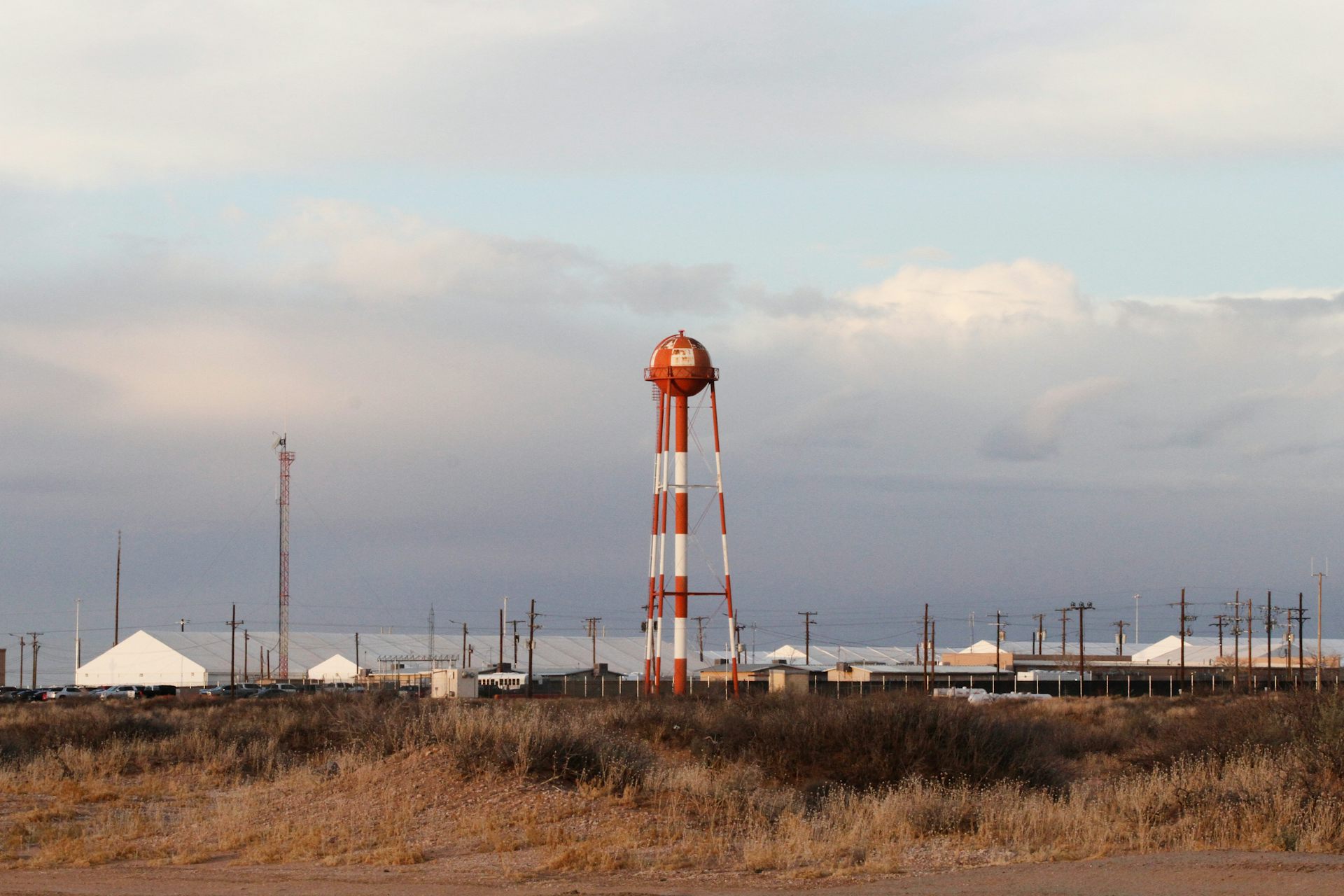
Camp East Montana is the most recent of these new facilities. Opened in August 2025, the 60-acre detention center has become one of the largest ICE facilities in the U.S., holding 5,000 detainees.
Like Tent City, Camp East Montana was constructed using tents that do little to shield inmates from the elements. The Washington Post reported in September that the facility’s poor food, shoddy living quarters and exposure to the desert sun violated 60 federal regulations.
During Arpaio’s tenure, his office faced 6,000 federal lawsuits.
Those included a $9 million payout to the parents of Charles Agster III, after a federal jury found Arpaio and jailhouse nurses negligent in his death. And they included a $2 million payout to the parents of Brian Crenshaw after the disabled man died following an altercation with a sheriff’s detention officer.
The most costly, though, was the 2013 ruling in Melendres v. Arpaio. U.S. District Judge Murray Snow found Arpaio guilty of racial profiling. The ruling placed Arpaio’s office under federal monitoring with orders to overhaul the department. As a result, Maricopa County residents have paid $323 million to reform the department.
Arpaio left office in January 2017. Months later, Tent City closed. After a failed attempt to run for U.S. Senate in 2018, Arpaio retired from politics.
But I believe that the resemblance between Arpaio’s fixation on immigration and Trump’s deportation campaign remains.
Since Trump’s second election, ICE and CBP agents have followed Arpaio’s playbook. Along with erecting tent jails for detaining immigrants, agents have used racial profiling during immigration raids. Consequently, hundreds of U.S. citizens have been detained during raids and protests.
On April 2, 2026, Judge Jennifer Thurston ruled that CBP agents violated court orders and “again detained people without reasonable suspicion” – tactics similar to those used by Arpaio.
Arpaio’s policies foreshadowed Trump’s deportation policy: one that uses racial profiling and shows little regard for human rights.
As U.S. Supreme Court Justice Sonia Sotomayor noted in her dissent in Noem v. Vazquez-Perdomo in 2025, many Latinos now carry proof of citizenship out of fear of racial profiling.
In July 2017, a federal court found Arpaio guilty of criminal contempt for violating a 2011 federal order to stop detaining people solely on suspicion of illegal immigration status.
A month later, before Arpaio’s sentencing, Trump pardoned Arpaio. He described the sheriff as a “great American patriot” who had “done a lot in the fight against illegal immigration.”
This article is republished from The Conversation, a nonprofit, independent news organization bringing you facts and trustworthy analysis to help you make sense of our complex world. It was written by: Jonathan van Harmelen, Oberlin College and Conservatory
Read more:
Florida is fronting the 0M cost of Alligator Alcatraz – a legal scholar explains what we still don’t know about the detainees
Philadelphia’s 40‑year history of protecting undocumented immigrants began with churches hiding refugees from El Salvador
We teach at a Florida university that agreed to cooperate with ICE – and we worry that it is making our students feel less safe
Jonathan van Harmelen does not work for, consult, own shares in or receive funding from any company or organization that would benefit from this article, and has disclosed no relevant affiliations beyond their academic appointment.






















































Comments