Iran war: 4 big questions that help clarify the future of the Middle East
Published in Political News
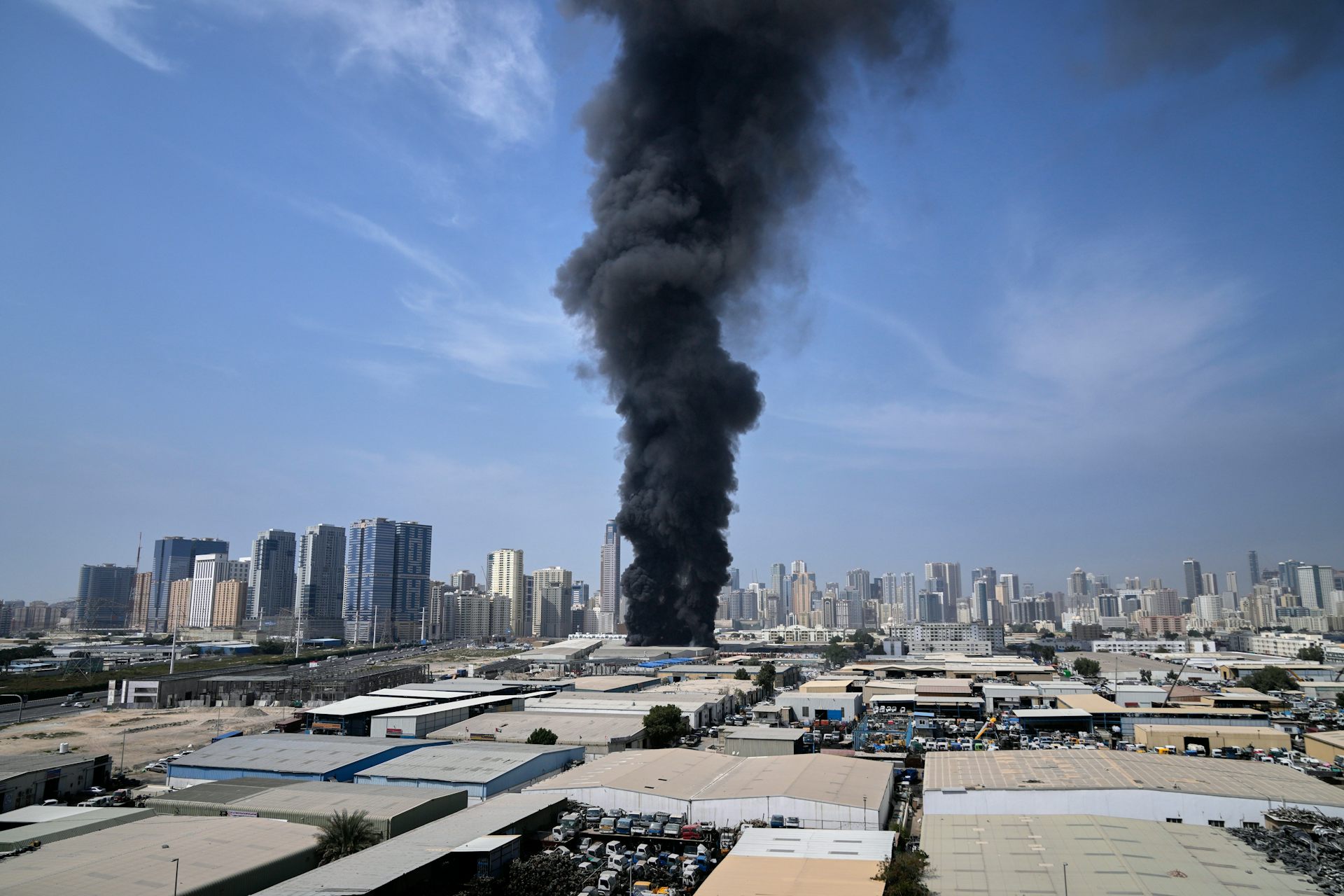
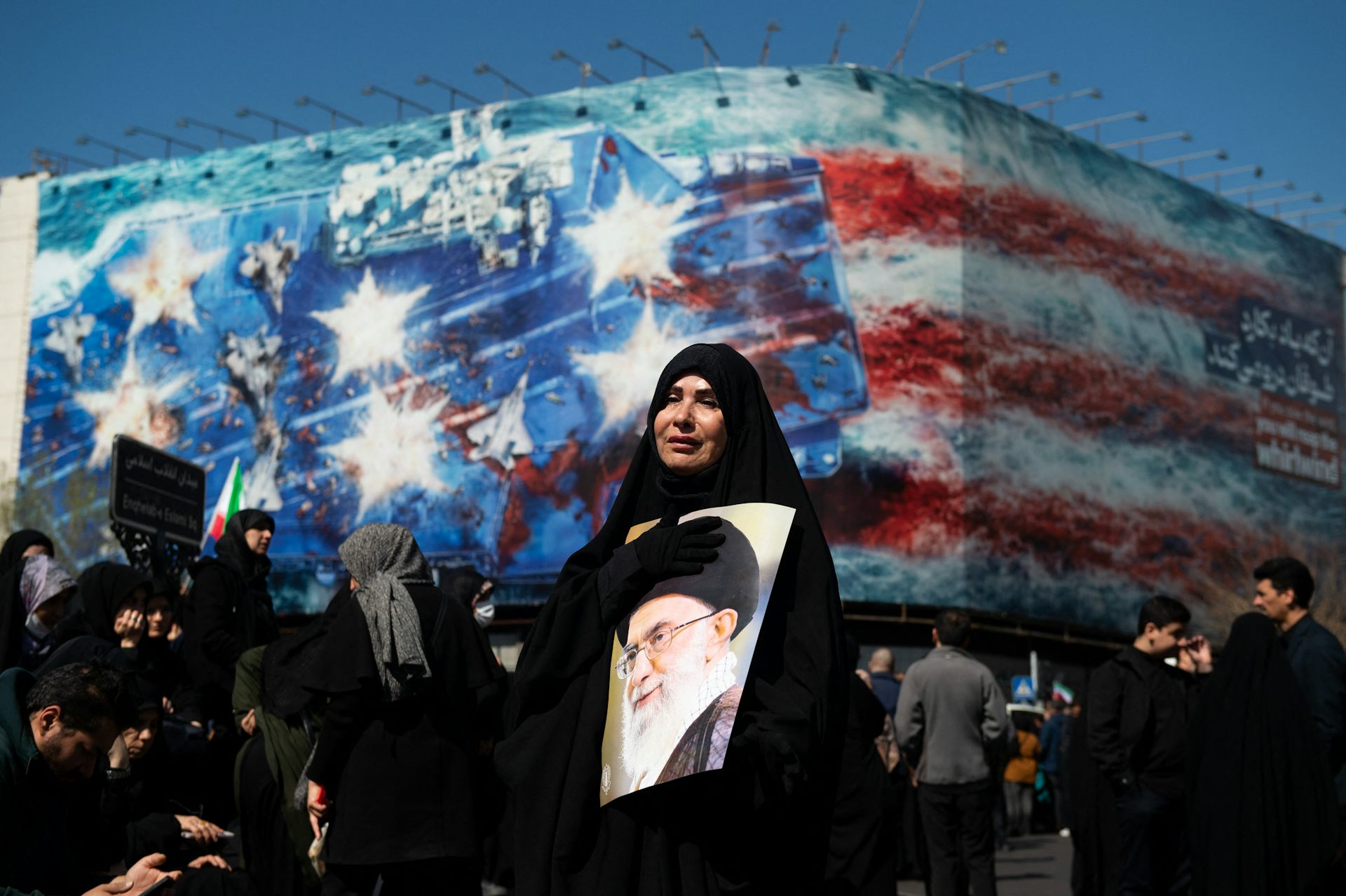
The war that the U.S. and Israeli governments launched against Iran on Feb. 28, 2026, is unprecedented in its scope across the Middle East. With the Arab Gulf states under Iranian attack, and Israel targeting Iran’s militia ally Hezbollah, even experts on the Middle East like me cannot predict the war’s course and especially its likely political consequences.
Still, to better understand this complex situation, I am paying particular attention to four major questions. How these specific issues play out will shed light on how this war might end and what it will mean for Iran, the rest of the Middle East and the world.
What does the US hope to accomplish?
One leader who began the war, Israeli Prime Minister Benjamin Netanyahu, has been dead set for decades on crippling, and ideally toppling, Iran’s Islamic Republic. Iran has a long track record of sponsoring militant threats to Israel and American Arab allies.
Yet U.S. President Donald Trump has not been clear on what the goals of this war are and has said even less about what conditions would lead the U.S. to cease hostilities.
Early signs are that Iran’s capacity to project force across the Middle East is now diminished. What amount of damage to Iran’s military might be enough for the White House to believe that its mission was accomplished? Or does Trump expect Iran’s current authoritarian, theocratic political system to be removed, and for Iranians to establish a government more favorable toward American interests?
Any clarity from Washington on the true aims of this war will help observers understand under what circumstances it can end and what future Iranian-American relations might look like.
How will the war affect Gulf states’ short-term or long-term relations with Washington?
The U.S. has long prioritized deep economic and strategic relationships with the Gulf Arab states, especially Kuwait, Qatar, Saudi Arabia and the United Arab Emirates. These relationships have grown closer under Trump’s presidency.
So far, Iranian attacks have not caused significant casualties or damage to oil or commercial infrastructure in Gulf Arab states, collectively the source of 10% of the oil used in the U.S.
Indeed, some Gulf Arab states, including the United Arab Emirates, already collaborate enough with Israel that being subjected to attacks from Iran has solidified their current alliance with it and the U.S.
At the same time, Gulf Arab states value long-term political stability to preserve their status as major exporters of oil and natural gas, centers of global commerce and trade and global travel hubs. While each country has its own geopolitical priorities, none wants conflicts that leave it vulnerable.
Iran’s military strategy seems designed to raise the economic and human costs for Gulf Arabs who support the U.S. and Israel.
Greater pain for citizens of the Arab Gulf could fuel leaders there to pressure Washington to stop the war. It’s also possible that Gulf leaders will rethink or rebalance their relations with the United States or Israel should the end state of the war undermine their sense of security.
Such a rethink is more likely if the war continues for weeks and creates major shocks to the global economy. Even if the war ends well for Gulf leaders, by ending concerns about Iranian regional aggression, Washington’s willingness to put Gulf states in the path of destabilizing conflict may lead them to seek less alignment with the U.S.
Who will likely rule Iran?
Mojtaba Khamenei, the hard-line son of the previous supreme leader, Ayatollah Ali Khamenei, has just been named his father’s replacement. This is a clear signal that Iran is not yet moving toward the more cooperative government that the Trump administration wants. But with the fluid state of the war and its effects in Iran, perhaps the most important question is who will ultimately govern the country. Given Iran’s large size, predicting a long-term political outcome at this point makes little sense.
However, several factors do not bode well for a democratically representative government that could benefit ordinary Iranians. First, the Islamic Republic has been in power for decades, going to great lengths to prevent unified political opposition. Iranians’ recent waves of protests have not meant consensus on a future political order.
Second, Iran’s political system may still have support, including among members of the clergy and army. Third, the Trump administration may hope that Iranian ethnic minorities, such as the Kurds, may attack or dislodge the remnants of the government. Yet such groups lack the level of military force to ensure success.
For these reasons, the current government or a similarly authoritarian one may well remain in place after this war.
How do Iranians and people throughout the region view the war?
The Islamic holy month of Ramadan runs this year from Feb. 18 to mid-March. It changes the basic rhythm of life for most Muslims to one in which they fast from dawn to dusk and enjoy family and communal festivity late into the night. Throughout Iran and the Arab Gulf countries, these longtime practices have been disrupted by war and nighttime bombings.
Religion is not the primary driver of this war. Still, that war began during a sacred time is one example of an issue that might influence how the people in the middle of this conflict experience it. A less militaristic, more democratic Iranian government is a desirable outcome from a devastating war launched in violation of international law.
How popular attitudes in the region unfold will matter both to Iran’s political outcome and to whether Iran has better relations with Washington in the future.
For now, it is hard to know whether Iranians’ support for the government is growing during a major foreign attack, as it did when Iraq’s Saddam Hussein began a war against Iran in 1980. Certainly, a large swath of Iranians are content with the end of decades of Ayatollah Khamenei’s stifling rule.
Gulf Arabs may be frustrated with Washington and Tel Aviv for starting the war but also want Iran to end up with a less militant government. Most Lebanese have no love for Israel. Yet many also blame their local Iran-backed Hezbollah faction for dragging their country into the current war.
The experiences and views of these diverse populations matter. Trump has launched a war that is different from earlier American wars in the Middle East, both in the number of countries directly experiencing attacks and in the degree of direct coordination with Israel.
In addition to this war’s illegitimacy under international law, Washington has a long record of failing to achieve political results favorable to American interests after using military force in the Middle East. Given this, it is hard to believe that Operation Epic Fury will be an epic success in the long run.
However, how these four questions come to be answered in the weeks ahead will provide better indication of what this new war’s political consequences will actually be.
This article is republished from The Conversation, a nonprofit, independent news organization bringing you facts and trustworthy analysis to help you make sense of our complex world. It was written by: David Mednicoff, UMass Amherst
Read more:
Israel’s attack in Doha underscores a stark reality for Gulf states looking for stability and growth: They remain hostage to events
Congress once fought to limit a president’s war powers − more than 50 years later, its successors are less willing to assert their authority
Persian Gulf desalination plants could become military targets in regional war
David Mednicoff does not work for, consult, own shares in or receive funding from any company or organization that would benefit from this article, and has disclosed no relevant affiliations beyond their academic appointment.


















































Comments