Israelis and Palestinians warring over a homeland is far from unique
Published in Political News
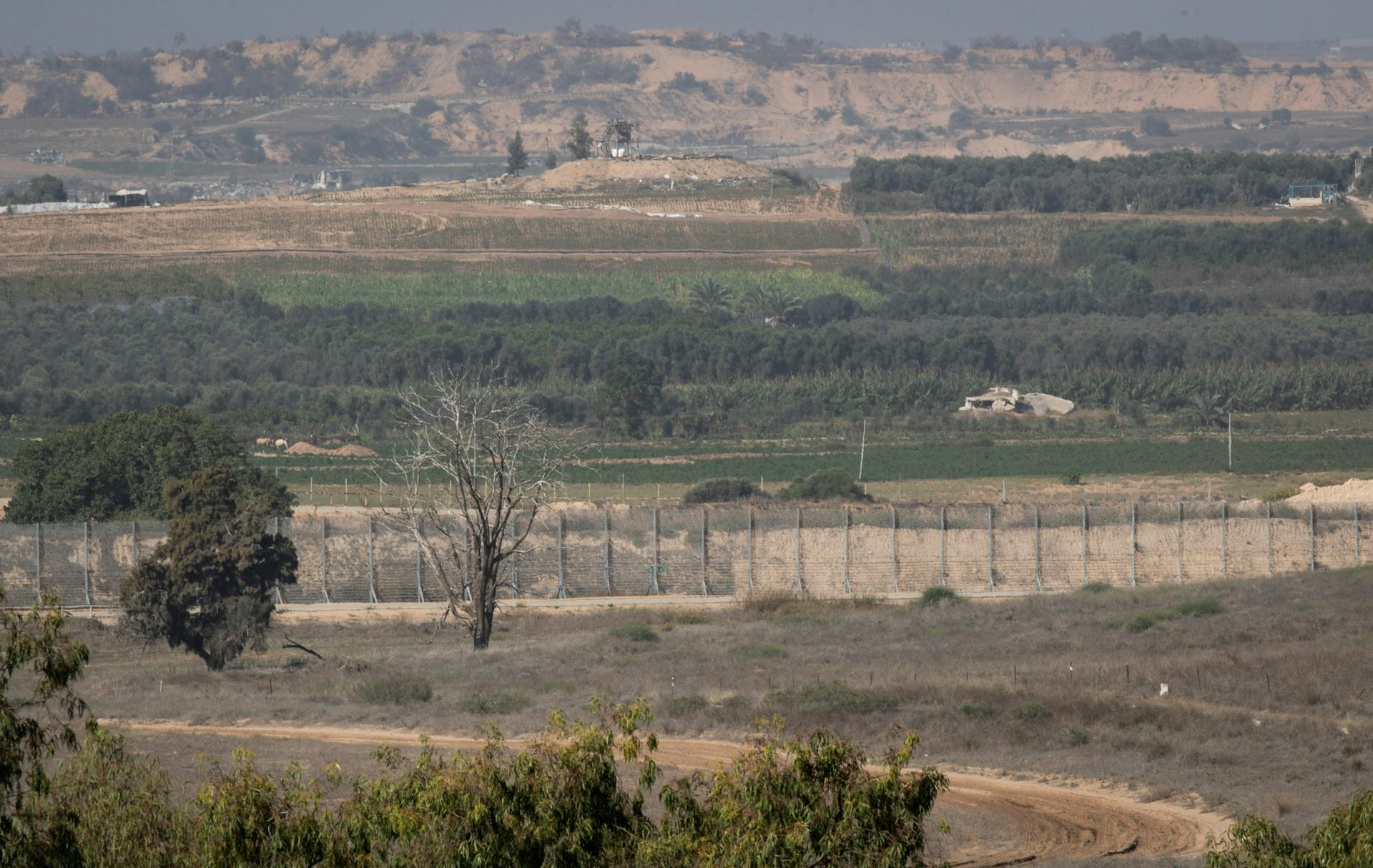



The ongoing horrors unfolding in Israel and Gaza have deep-rooted origins that stem from a complex and contested question: Who has rights to the same territory?
I am a scholar of international affairs, as well as territory and nationalism. Territory has been a central cause of conflict throughout history.
Today, Israelis and Palestinians both claim the same swath of land as their own. Each group has its own historical narratives, its own names for the territory – Israel or Palestine, depending on whom you ask – and many people from each group believe strongly that sharing the land is impossible.
Palestinians and Israelis also look to this same land as a way to define their identities and protect their futures.
Virtually every country serves as a designated homeland to many of its citizens – a place that is tied to people’s ancestries, cultural histories and legends.
The idea of a homeland is kept alive as each generation tries to teach children about the significance of the land they inhabit or come from.
Controlling territory and claiming it as a homeland is vital for people for a number of reasons. First, it helps ensure a stable supply of essential items like food, water and shelter. It can help provide security against external threats, like hostile neighbors. It also fosters a sense of identity and belonging within a community.
When people control their own territory, it helps them form and maintain a government and preserve their culture, shaping their values and ways of life.
Controlling territory can also affect people’s social status, help create new economic opportunities and improve their psychological well-being.
In many cultures, peoples’ identities are literally attached to territory in their names. In Europe, many aristocrats are named for the lands they controlled, as in “von Bismarck,” in Germany, or “York,” a region in England.
This differs from middle- or working-class people, who are traditionally named for their professions – like Hunter, Smith and Taylor.
At its most basic level, territorial control is about survival and reproduction, and it has influenced human behavior in other ways. Disputes over who controls or has the legal right to a territory has consistently fueled wars.
Seen from the perspective of territorial conflict, the Israeli-Palestinian conflict is far from unique. Consider the ongoing war over which government should control parts of Ukraine, for example.
One of the most contentious territorial disputes in history involved Alsace-Lorraine, a region that was once part of the German empire in the late 1870s. Both France and Germany had cultural and historical ties to the region, leading to frequent conflicts and changes in sovereignty until World War II, after which it legally became part of France.
After World War II ended in 1945, Germany and France’s joint commitment to rebuilding Europe bound their destinies economically and politically. Leaders in Europe, joined by a vision for unity, peace and the imperative to prevent another world war, played a crucial role in transforming Europe. Historical foes became close allies, marking the start of a unified European identity.
Had you asked people in the 1920s and 1930s whether Franco-German coexistence and peace would have been possible, they would have likely said no.
Northern Ireland’s dueling Protestants and Roman Catholics would have given an even more emphatic “no” if asked during much of the 20th century whether they could live together peacefully. This conflict, known as the Troubles, began with Great Britain’s partition of Ireland from itself in 1921. Northern Ireland, however, remained part of Great Britain.
Fighting over what should happen with Northern Ireland fully erupted in the late 1960s and continued until the 1990s.
At its core, the conflict involved competing national identities and allegiances between the predominantly Protestant unionists, who wanted Northern Ireland to remain part of the United Kingdom, and the mainly Catholic nationalists, who wanted a united Ireland. Protests and marches, car bombings, riots, sectarian attacks and revenge killings marked this explosive period, resulting in the deaths of more than 3,500 people.
Yet in 1998, the Troubles came to an end when both sides signed the Good Friday Agreement, keeping Northern Ireland part of the United Kingdom but giving residents there the chance to have either British or Irish citizenship, or both. No one prior to 1998 would have imagined this agreement would create the opportunity for reconciliation and peace.
Just as happened in Europe after World War II and in Northern Ireland in the 1990s, Israelis and Palestinians would also need to find a renewed commitment to dialogue, diplomacy and international cooperation in order to make lasting peace.
But the region has a history of conflict dating back centuries, with both sides experiencing immense suffering and loss. This history creates a deeply rooted mistrust that hampers efforts to find a common understanding that each group of people has long ties to the land.
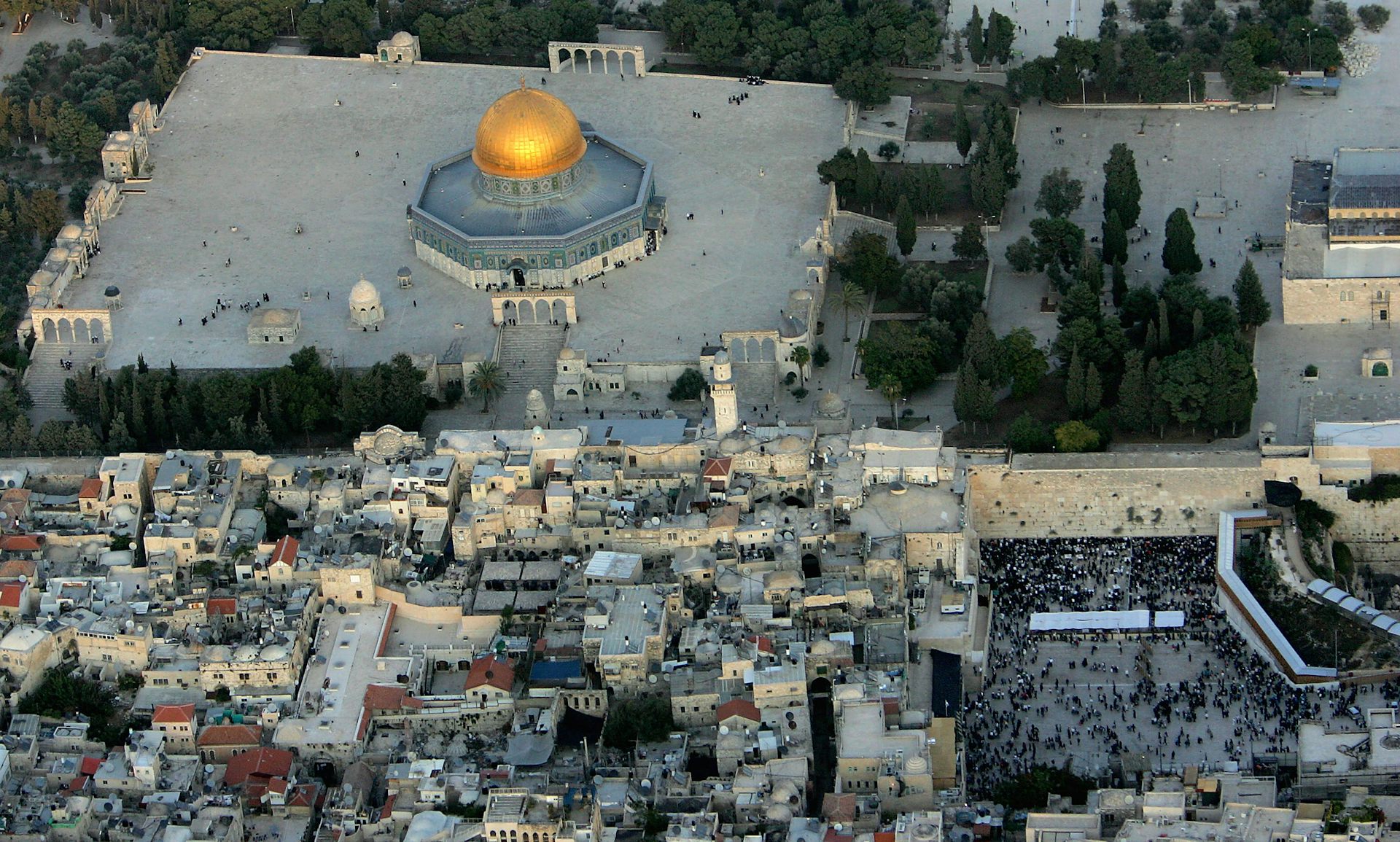
Contestation over the city of Jerusalem is not simply a city-planning problem, as it encompasses major holy sites from the three Abrahamic traditions. It is home to the Al-Aqsa Mosque, the third holiest place for Muslims worldwide, and the Western Wall, part of the holiest site for Jews globally.
The Church of the Holy Sepulchre, or Church of the Resurrection, is also in Jerusalem. It’s the holiest site for Christians who believe this is where Jesus was crucified, entombed and later resurrected. This helps explain why Jews, Muslims and Christians all feel as if they have a vital stake in who controls Jerusalem.
There was a time, including in the 1990s, when Israeli and Palestinian political leaders discussed a two-state solution, with a shared capital in Jerusalem, as a way out of the conflict and into a common future. No longer.
The current violence in Gaza and Israel – and escalating conflict over the West Bank – only deepens the entrenched homeland narratives on both sides, with each side fearing the survival of their homeland is at stake in any potential compromise.
It will take years – or even generations – to unravel the pain and loss that each side is experiencing in the current war.
Unless Palestinians and Israelis can find a way to detach the disputed land from their identities, there are no straightforward solutions. This is what happened in Alsace-Lorraine and Northern Ireland – but it’s not clear that such a transformation in thinking will take place anytime soon in the Middle East.
Ultimately, the tragedy of deep attachment to a homeland territory lies in the fact that while it can create a sense of belonging for one group, it too often comes at the expense of another.
This article is republished from The Conversation, a nonprofit, independent news organization bringing you facts and trustworthy analysis to help you make sense of our complex world. It was written by: Monica Duffy Toft, Tufts University
Read more:
Northern Ireland, born of strife 100 years ago, again erupts in political violence
A brief history of the US-Israel ‘special relationship’ shows how connections have shifted since long before the 1948 founding of the Jewish state
Hamas assault echoes 1973 Arab-Israeli war – a shock attack and questions of political, intelligence culpability
Monica Duffy Toft does not work for, consult, own shares in or receive funding from any company or organization that would benefit from this article, and has disclosed no relevant affiliations beyond their academic appointment.





















































Comments