The women who stood with Martin Luther King Jr. and sustained a movement for social change
Published in Political News
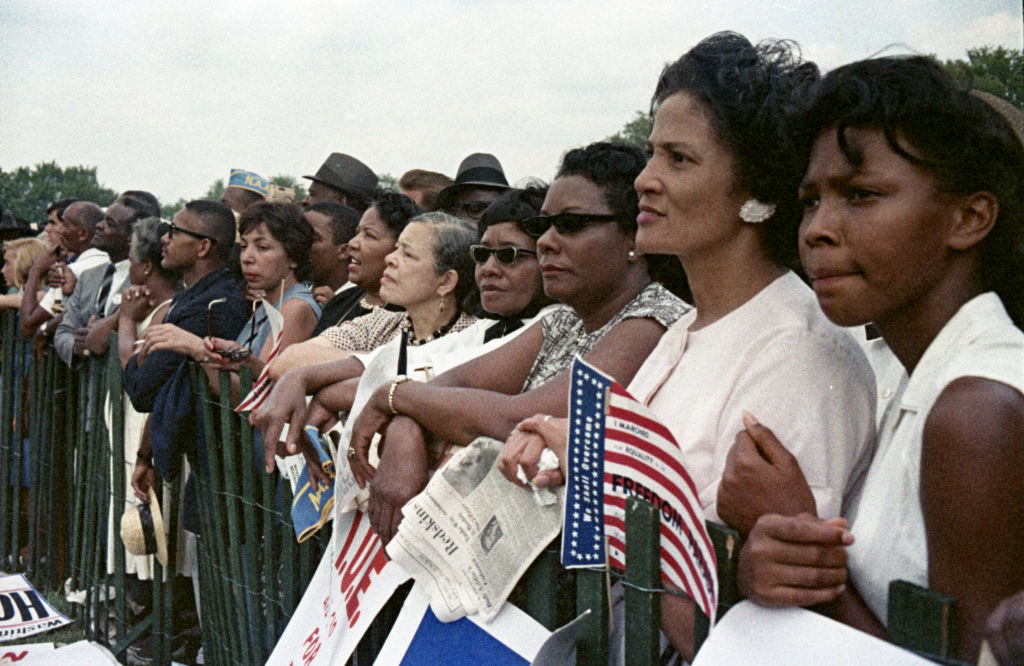
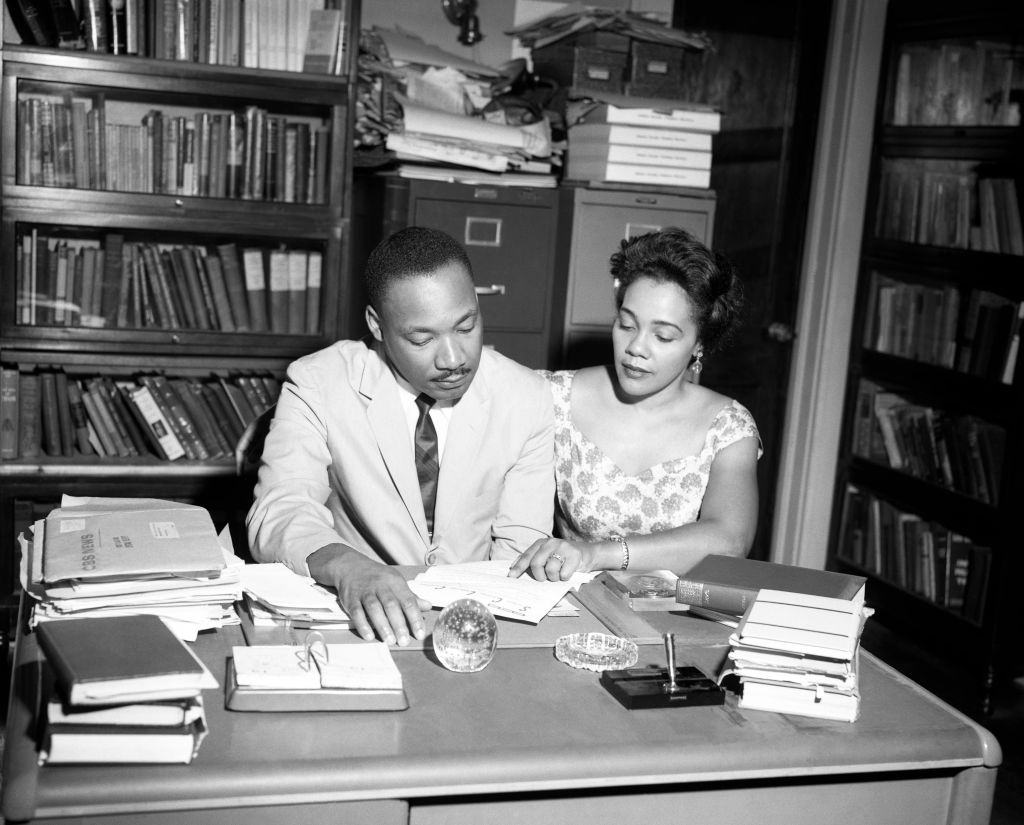
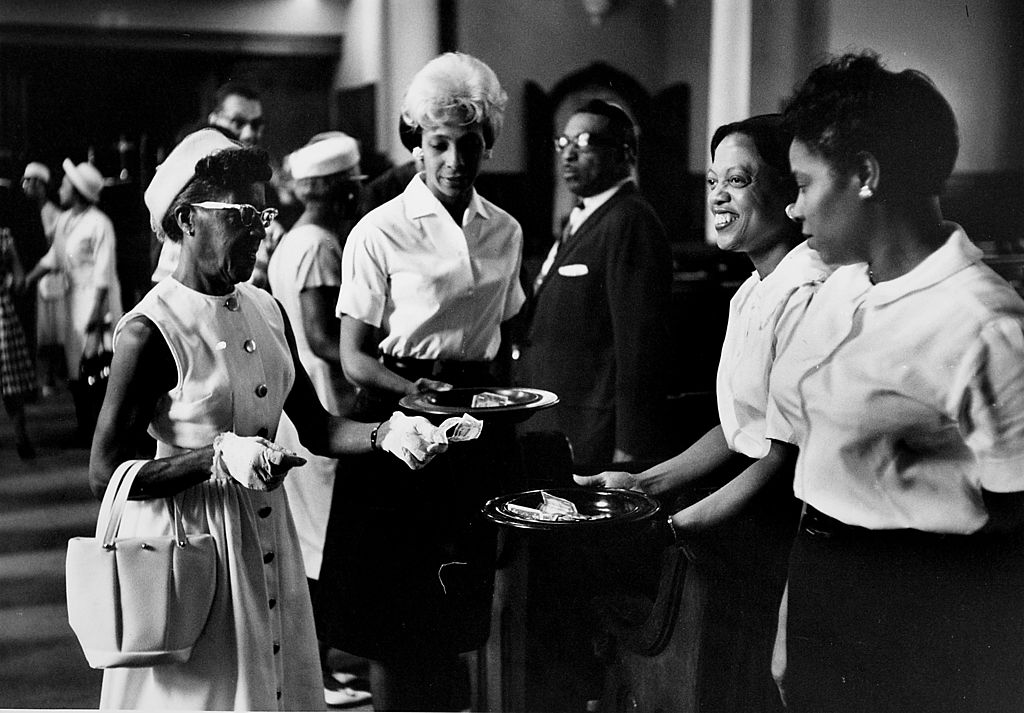
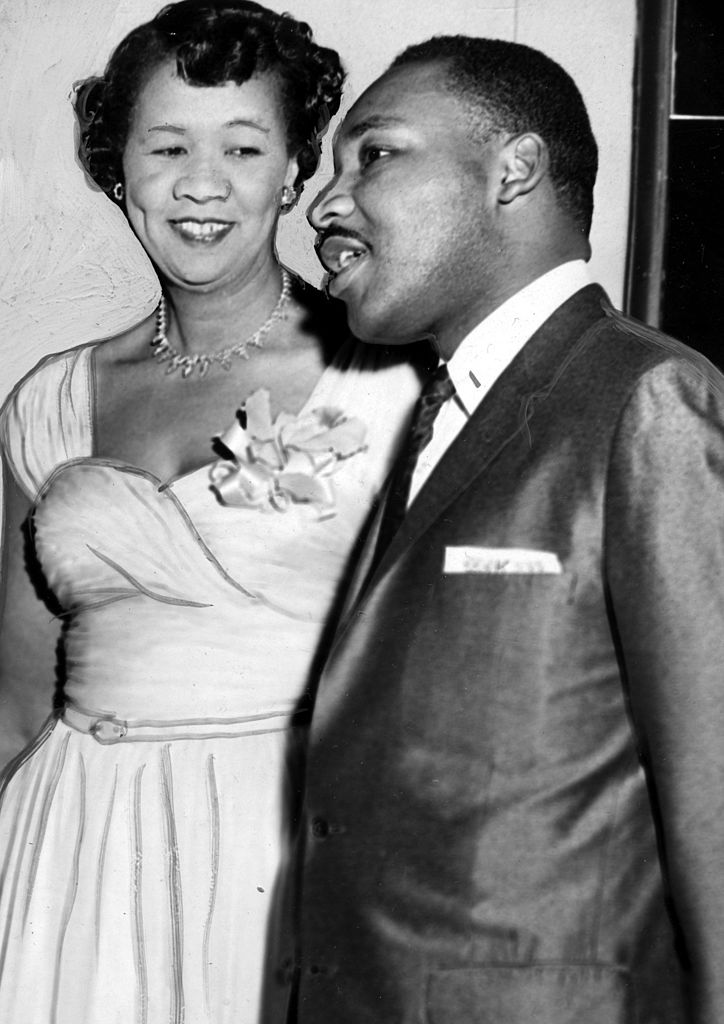
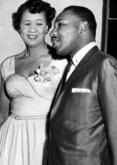
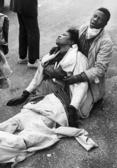
Historian Vicki Crawford was one of the first scholars to focus on women’s roles in the civil rights movement. Her 1993 book, “Trailblazers and Torchbearers,” dives into the stories of female leaders whose legacies have often been overshadowed.
Today she is the director of the Morehouse College Martin Luther King Jr. Collection, where she oversees the archive of his sermons, speeches, writings and other materials. Here, she explains the contributions of women who influenced King and helped to fuel some of the most significant campaigns of the civil rights era, but whose contributions are not nearly as well known.
Coretta Scott King is often remembered as a devoted wife and mother, yet she was also a committed activist in her own right. She was deeply involved with social justice causes before she met and married Martin Luther King Jr., and long after his death.
Scott King served with civil rights groups throughout her time as a student at Antioch College and the New England Conservatory of Music. Shortly after she and King married in 1953, the couple returned to the South, where they lent their support to local and regional organizations such as the NAACP and the Montgomery Improvement Association.
They also supported the Women’s Political Council, an organization founded by female African American professors at Alabama State University that facilitated voter education and registration, and also protested discrimination on city buses. These local leadership efforts paved the way for widespread support of Rosa Parks’ resistance to segregation on public busing.
Following her husband’s assassination in 1968, Scott King devoted her life to institutionalizing his philosophy and practice of nonviolence. She established the King Center for Nonviolent Social Change, led a march of sanitation workers in Memphis and joined efforts to organize the Poor People’s Campaign. A longtime advocate of workers rights, she also supported a 1969 hospital workers’ strike in South Carolina, delivering stirring speeches against the treatment of African American staff.
Scott King’s commitment to nonviolence went beyond civil rights at home. During the 1960s, she became involved in peace and anti-war efforts such as the Women’s Strike for Peace and opposed the escalating war in Vietnam. By the 1980s, she had joined protests against South African apartheid, and before her death in 2006, she spoke out in favor of LGBT rights – capping a lifetime of activism against injustice and inequalities.
While Scott King’s support and ideas were particularly influential, many other women played essential roles in the success of the civil rights movement.
Take the most iconic moment of the civil rights struggle, in many Americans’ minds: the Aug. 28, 1963, March on Washington for Jobs and Freeedom, at which King delivered his landmark “I Have a Dream” speech on the steps of the Lincoln Memorial.
As the 60th anniversary of the march approaches, it is critical to recognize the activism of women from all walks of life who helped to strategize and organize one of the country’s most massive political demonstrations of the 20th century. Yet historical accounts overwhelmingly highlight the march’s male leadership. With the exception of Daisy Bates, an activist who read a short tribute, no women were invited to deliver formal speeches.
Women were among the key organizers of the march, however, and helped recruit thousands of participants. Dorothy Height, president of the National Council of Negro Women, was often the lone woman at the table of leaders representing national organizations. Anna Arnold Hedgeman, who also served on the planning committee, was another strong advocate for labor issues, anti-poverty efforts and women’s rights.
Photographs of the march show women attended in large numbers, yet few historical accounts adequately credit women for their leadership and support. Civil rights activist, lawyer and Episcopalian priest Pauli Murray, among others, called for a gathering of women to address this and other instances of discrimination a few days later.
African American women led and served in all the major campaigns, working as field secretaries, attorneys, plaintiffs, organizers and educators, to name just a few roles. So why did early historical accounts of the movement neglect their stories?
There were women propelling national civil rights organizations and among King’s closest advisers. Septima Clark, for example, was a seasoned educator whose strong organizing skills played a consequential role in voter registration, literacy training and citizenship education. Dorothy Cotton was a member of the inner circle of the Southern Christian Leadership Conference, of which King was president, and was involved in literacy training and teaching nonviolent resistance.
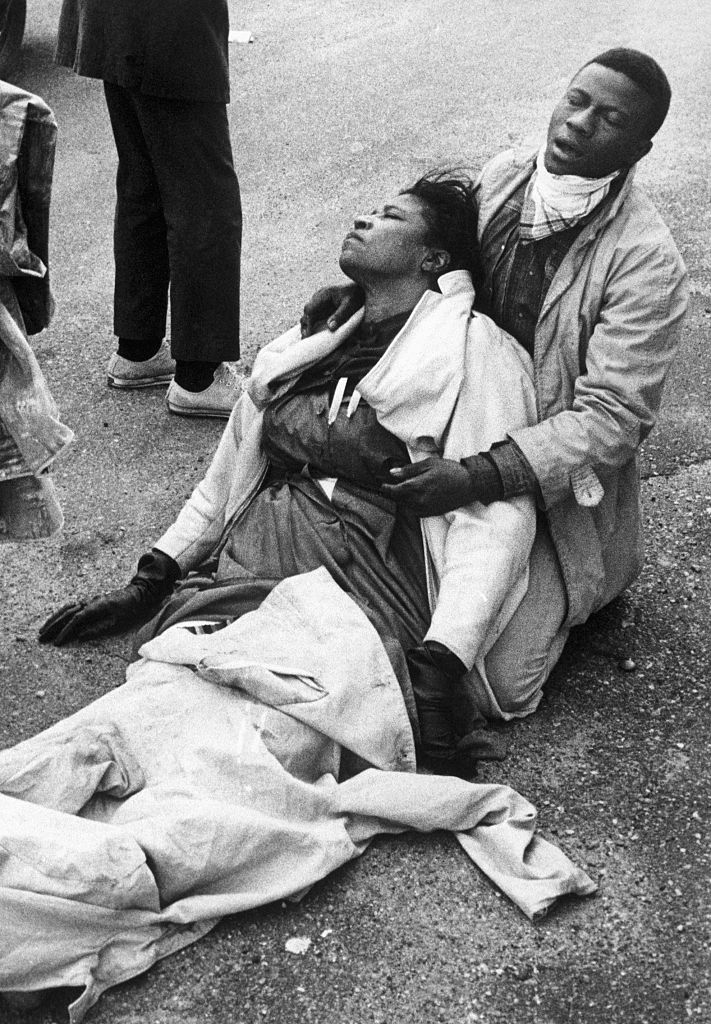
Yet women’s organizing during the 1950s and 1960s is most evident at local and regional levels, particularly in some of the most perilous communities across the deep South. Since the 1930s, Amelia Boynton Robinson of Dallas County, Alabama, and her family had been fighting for voting rights, laying the groundwork for the struggle to end voter suppression that continues to the present. She was also key in planning the 50-mile Selma-to-Montgomery march in 1965. Images of the violence that marchers endured – particularly on the day that came to be known as Bloody Sunday – shocked the nation and eventually contributed to the passage of the landmark Voting Rights Act of 1965.
Or take Mississippi, where there would not have been a sustained movement without women’s activism. Some names have become well known, like Fannie Lou Hamer, but others deserve to be.
Two rural activists, Victoria Gray and Annie Devine, joined Hamer as representatives to the Mississippi Freedom Democratic Party, a parallel political party that challenged the state’s all-white representatives at the 1964 Democratic Convention. A year later, the three women represented the party in a challenge to block the state’s congressmen from taking their seats, given ongoing disenfranchisement of Black voters. Though the congressional challenge failed, the activism was a symbolic victory, serving note to the nation that Black Mississippians were no longer willing to accept centuries-old oppression.
Many African American women were out-front organizers for civil rights. But it is no less important to remember those who assumed less visible, but indispensable, roles behind the scenes, sustaining the movement over time.
This article is republished from The Conversation, an independent nonprofit news site dedicated to sharing ideas from academic experts. Like this article? Subscribe to our weekly newsletter.
Read more:
John Lewis and C.T. Vivian belonged to a long tradition of religious leaders in the civil rights struggle
Wikipedia at 20: Why it often overlooks stories of women in history
Vicki Crawford does not work for, consult, own shares in or receive funding from any company or organization that would benefit from this article, and has disclosed no relevant affiliations beyond their academic appointment.





















































Comments