Russia wants military aid from China – here’s why this deal could help China, too
Published in Political News
China is considering sending weapons, ammunition and drones to Russia, according to information the Biden administration declassified at the end of February 2023.
China’s military aid would directly support Russia’s war in Ukraine.
This public disclosure, emerging less than a month after the U.S. navy shot down a Chinese balloon that allegedly was being used for spying purposes, further heightened existing tensions between the U.S. and China.
It also comes as Russia is facing mounting costs in its war on Ukraine – both financial and in human lives.
These setbacks have pushed Russia to seek help where the government can find it.
Russia has tried to secure weapons and other military support from allies such as North Korea and neighboring country Belarus. Russia has also turned to neutral countries like India and China to whom it can sell its oil and gas and bring in more money.
China has not publicly announced a decision to give military aid to Russia.
I am a scholar of international relations whose work focuses on the increasing competition between the U.S. and China. Based on my research, I’m certain Russia would welcome any assistance China would offer. China’s decision about whether to get involved in the Ukraine war will be carefully calculated, factoring in potential long-term benefits, risks and the influence of Western powers.
But I think that China’s choice in supporting Russia or not chiefly comes down to two considerations: how the Ukraine conflict will affect China’s overall growth in world politics, and its interest in invading Taiwan.
Massive military aid to a struggling army is not cheap. The U.S. spent over US$75 billion on aid to Ukraine in 2022. But despite the costs of war, China is considering supplying Russia military hardware for a few reasons.
Economically, China’s interests in Russia include money, energy and trade opportunities.
During the Cold War, the U.S. successfully drove a wedge between the two countries. However, after the Cold War, Russia and China grew closer and became economically interconnected.
Since Russia first launched a full-scale invasion of Ukraine in February 2022, China has appeared to maintain a “pro-Russia” neutrality. That is, China is officially neutral and not contributing to the conflict, but its government officials are still echoing Russia’s war narrative and propaganda, while ignoring what Ukraine is telling the world.
China has criticized Western interference in the war. It has also proposed a peace plan for the conflict – which does not actually call for Russia to withdraw its troops from Ukraine.
So far, China has stopped short of sending military aid to Russia. Reversing course would be a substantive departure from China’s previous policy of official neutrality.
Russian success in Ukraine would align with China’s goals of reshaping global politics and power, and could help facilitate China’s own rise as an economic and military leader.
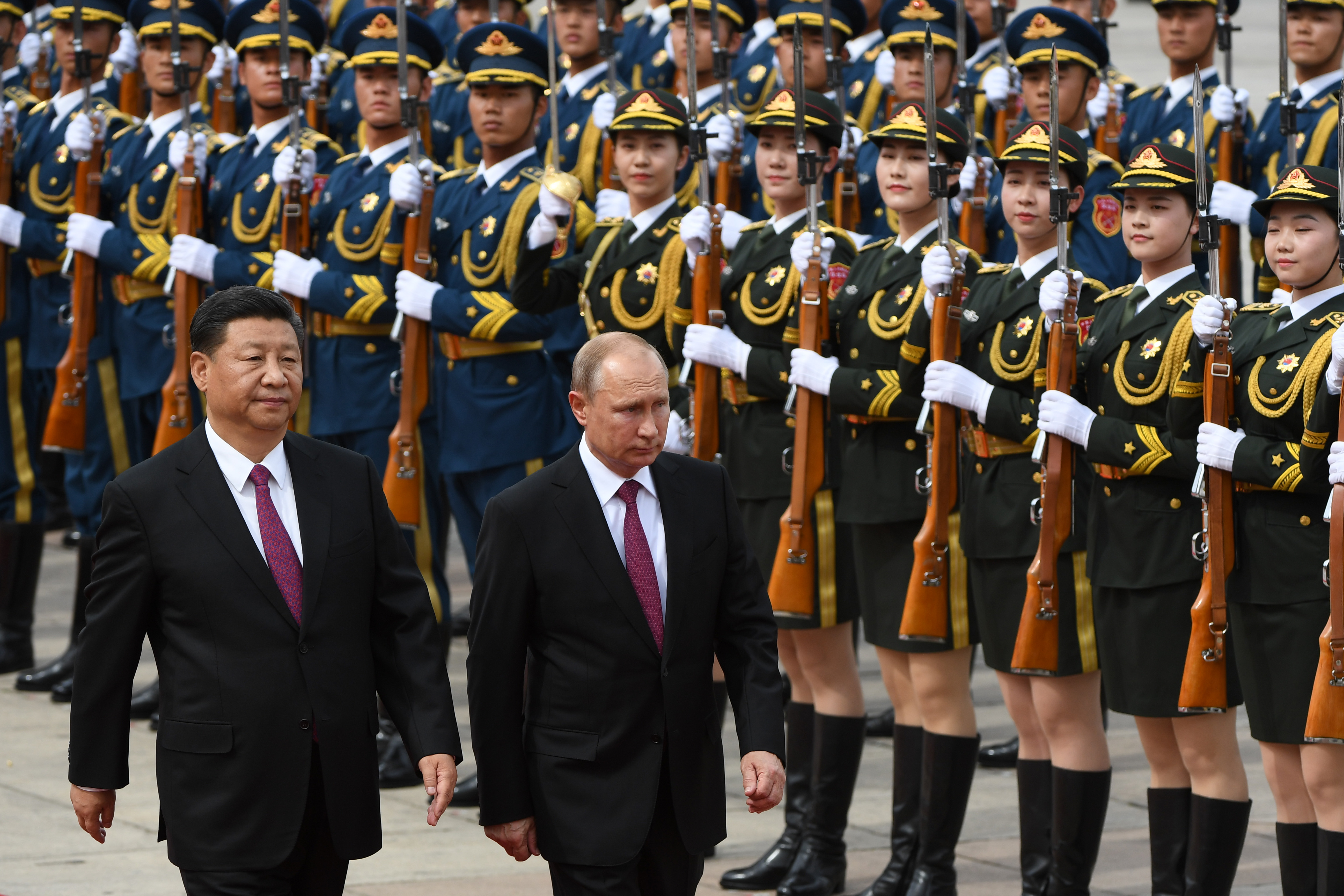
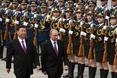
In February 2022, Chinese President Xi Jinping met with Russian President Vladimir Putin at the Winter Olympics in Beijing. They issued a joint document calling for reshaping global politics. The lengthy statement details shared values and a vision for a world without the United States as a major leader, and where China and Russia gain more control and influence.
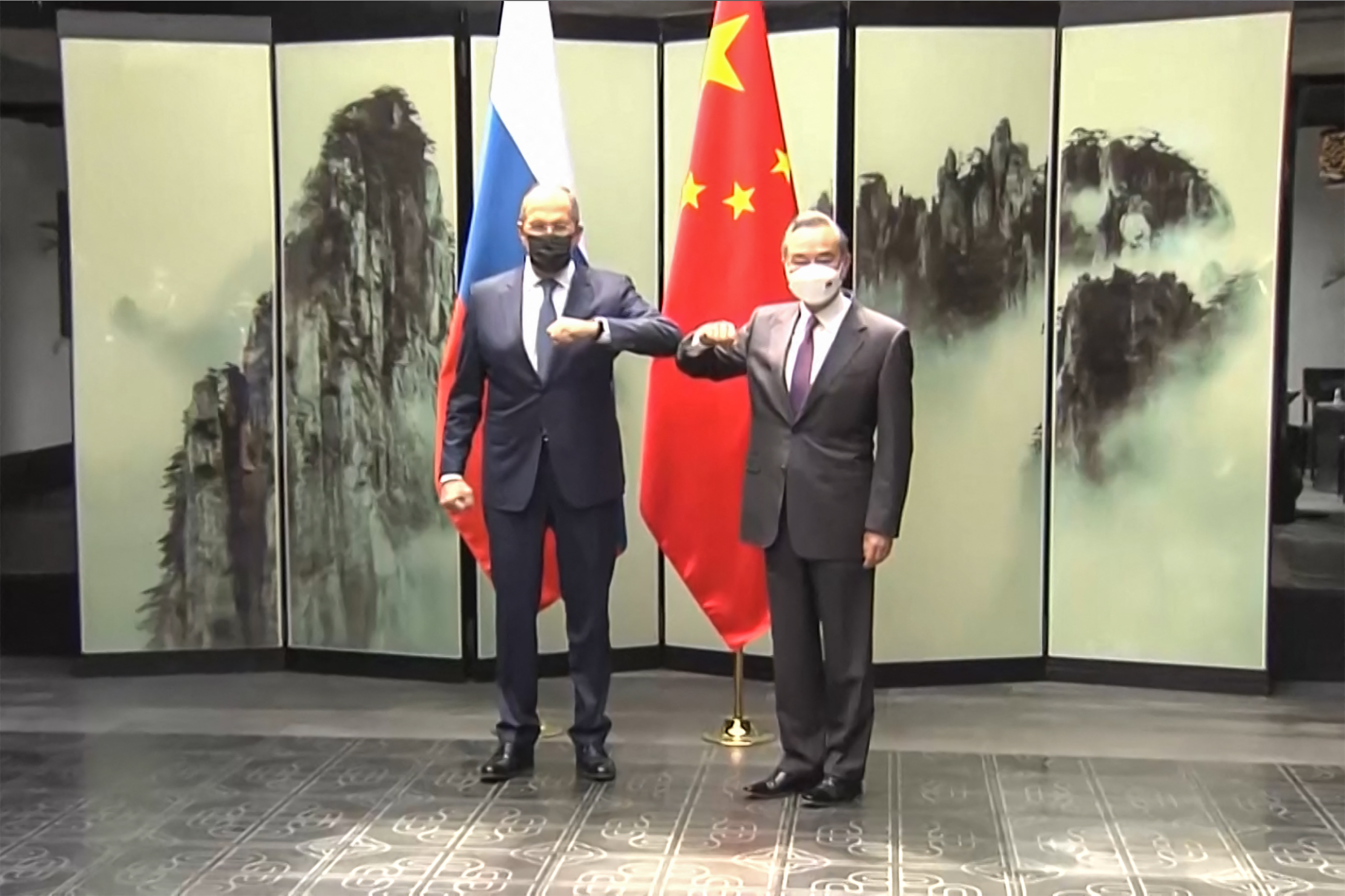
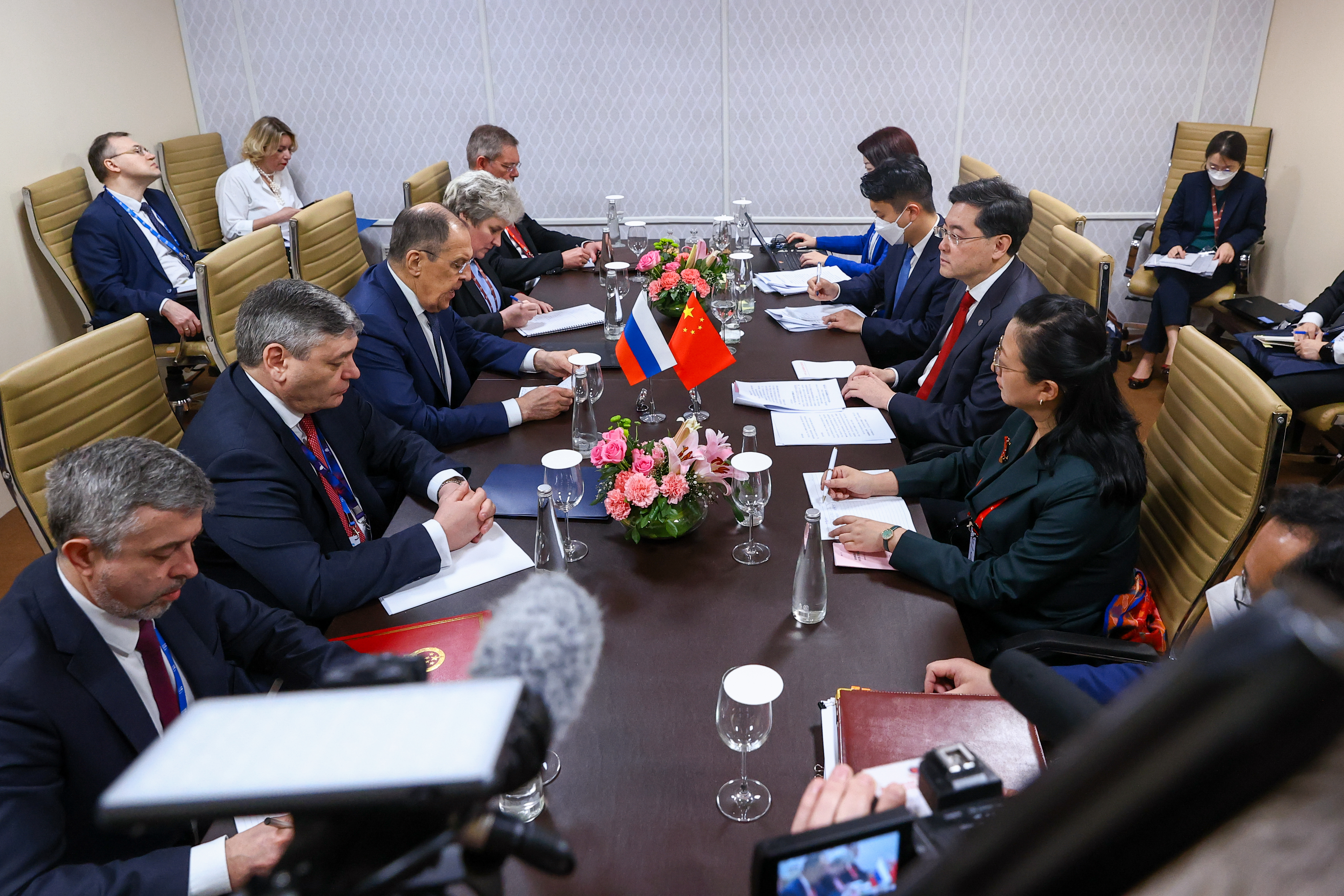
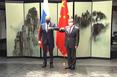
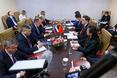
China’s and Russia’s foreign ministers met on March 2, 2023, and China’s government released a statement that reiterated this point, saying that the two countries “have maintained sound and steady development, setting a new paradigm for a new type of major-country relationship.”
Political scientists and human rights scholars do not consider Russia or China to be democracies or politically free. But both countries have lauded their own traditions of democracy and say they stand opposed to a world where the U.S. asserts its version of democracy and human rights as the only option.
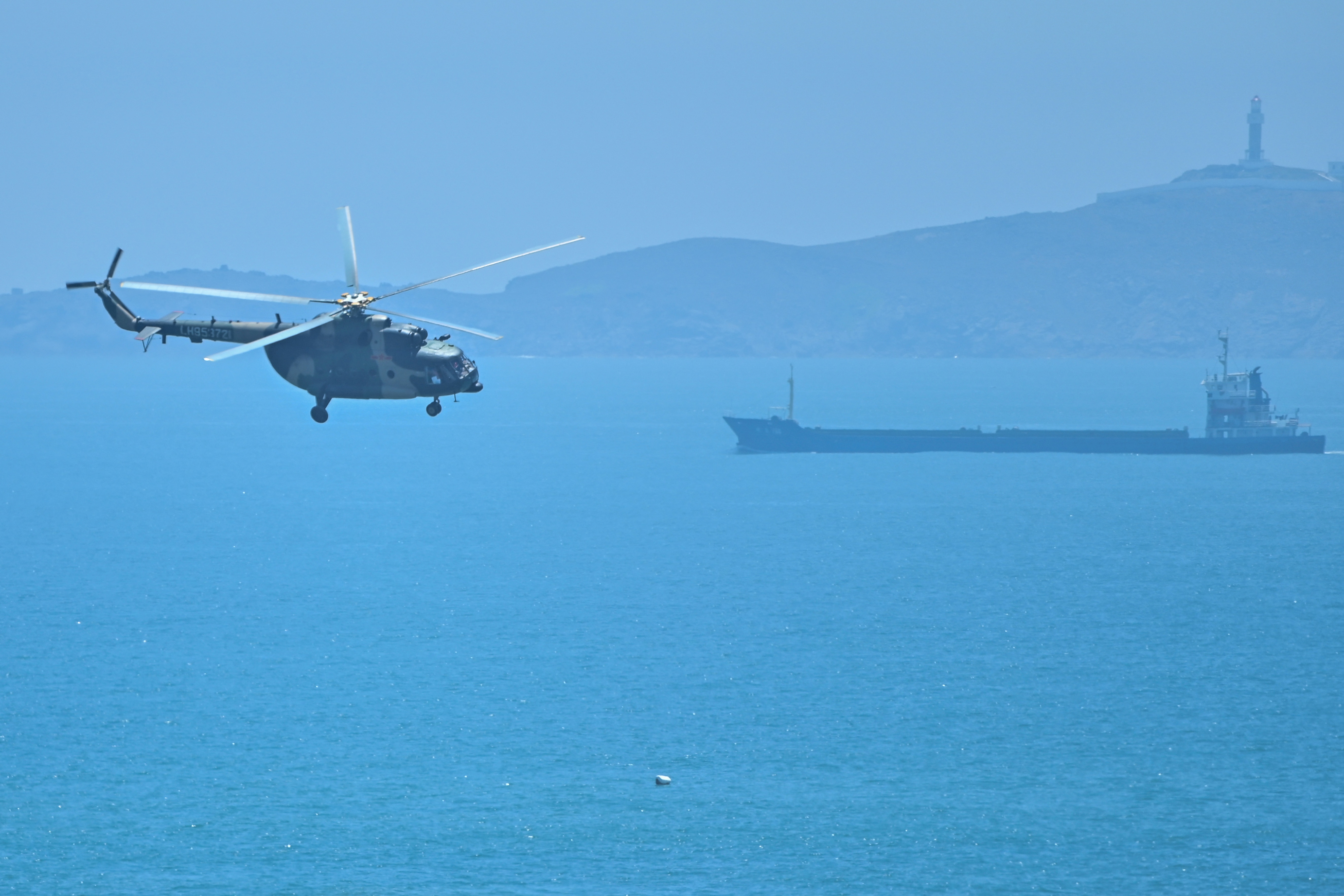
Another reason China may want Russia to succeed in Ukraine is that a Russian victory would give China more external support in any plans to overtake Taiwan or other territories. Taiwan is an island off the coast of China that claims independence, but China maintains it is simply a breakaway province that it wants to regain control over.
If Russia had won the Ukraine war as quickly as it initially planned, this might have paved the way for China to attempt a similar invasion of Taiwan. But there was no quick victory.
Yet a prolonged Russia-Ukraine war may present a new kind of opportunity for China in Taiwan by diverting U.S. money, military resources and attention away from the island.
Chinese Foreign Minister Qin Gang argued on March 7, 2023, that because the U.S. sells weapons to Taiwan, this justifies China selling weapons to Russia.
Some critics have noted that U.S. aid to Ukraine makes it harder for the U.S. to justify defending Taiwan if China attempts to overtake it.
While China invading Taiwan appears unlikely in the short term – and some experts say such a move would be disastrous for China – both the U.S. and China have a vested interest in the fate of Taiwan and the surrounding region.
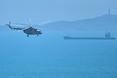
The U.S. and China have made recent moves to establish more military presence in the South China Sea region. China has increased its display of military force surrounding Taiwan. The United States recently announced it would deploy troops and military equipment in the Philippines, a strategic military base that is close to Taiwan.
In the past few months, the Biden administration and other Western powers have warned China that it should not get involved in the Ukraine conflict.
In March 2023, German Chancellor Olaf Scholz publicly warned China that there would be consequences if it gets involved.
Given that China has not yet officially stepped forward to support Russia, these efforts appear successful.
However, research has shown that countries intervene in conflicts when they think their interests may be affected and when they can make a difference. This could be a factor that pushes China to become more involved in Russia’s battle.
This article is republished from The Conversation, an independent nonprofit news site dedicated to sharing ideas from academic experts. The Conversation is trustworthy news from experts, from an independent nonprofit. Try our free newsletters.
Read more:
The US and the Philippines’ military agreement sends a warning to China – 4 key things to know
Rethinking the US-China fight: Does China really threaten American power abroad?
Michael A. Allen has previously received funding from the Minerva Research Initiative, the Department of Defense, and the Army Research Office. These organizations funded part of the work mentioned here. The views expressed here are the author's only and do not represent the views of any outside funder.






















































Comments