The complicated tragedy in war-torn Syria made worse by devastating earthquake and political dysfunction
Published in Political News
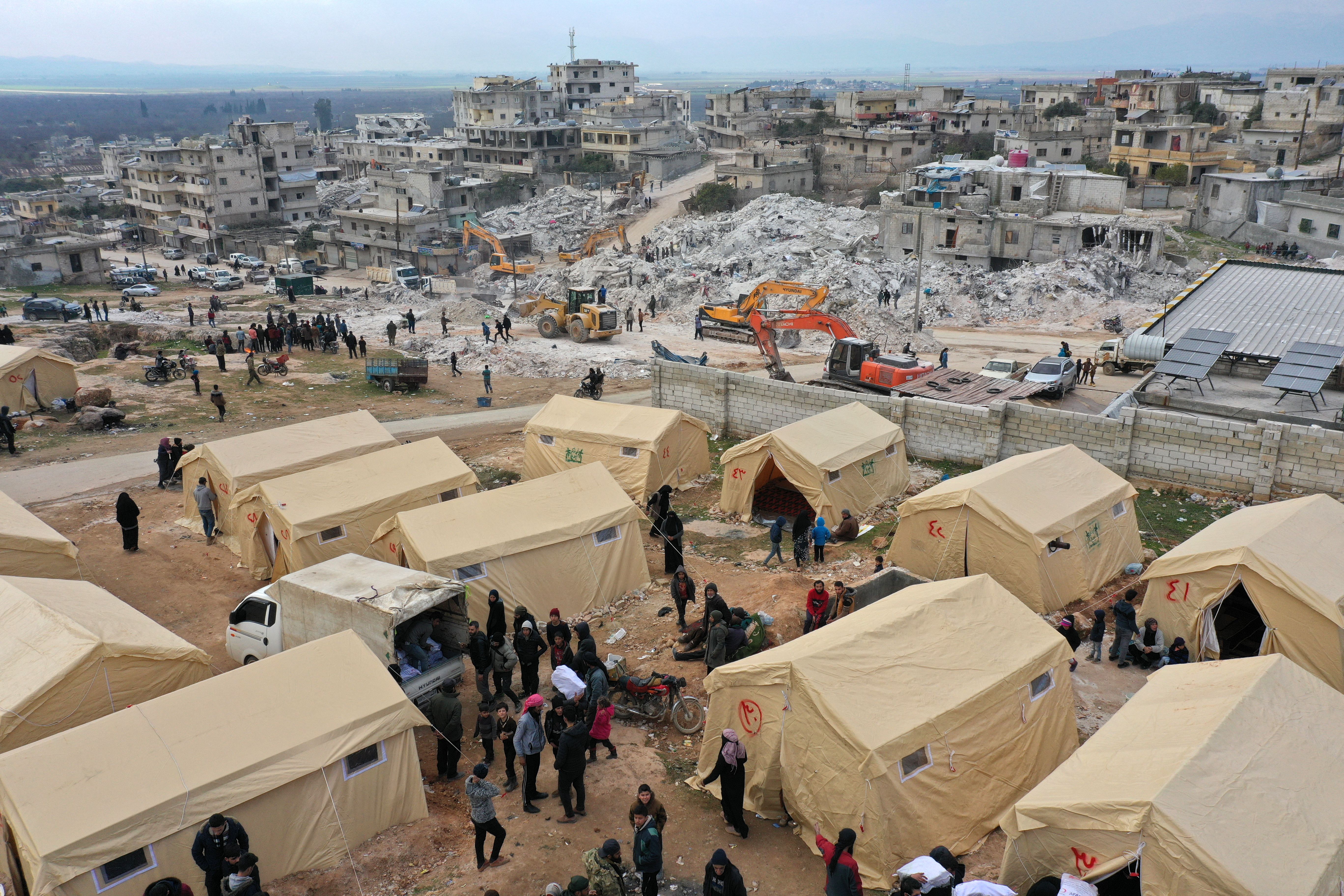
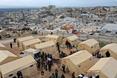
After a pair of devastating earthquakes struck southern Turkey and northwestern Syria, the number of confirmed deaths continues to rise, surpassing 50,000 as of Feb. 24.
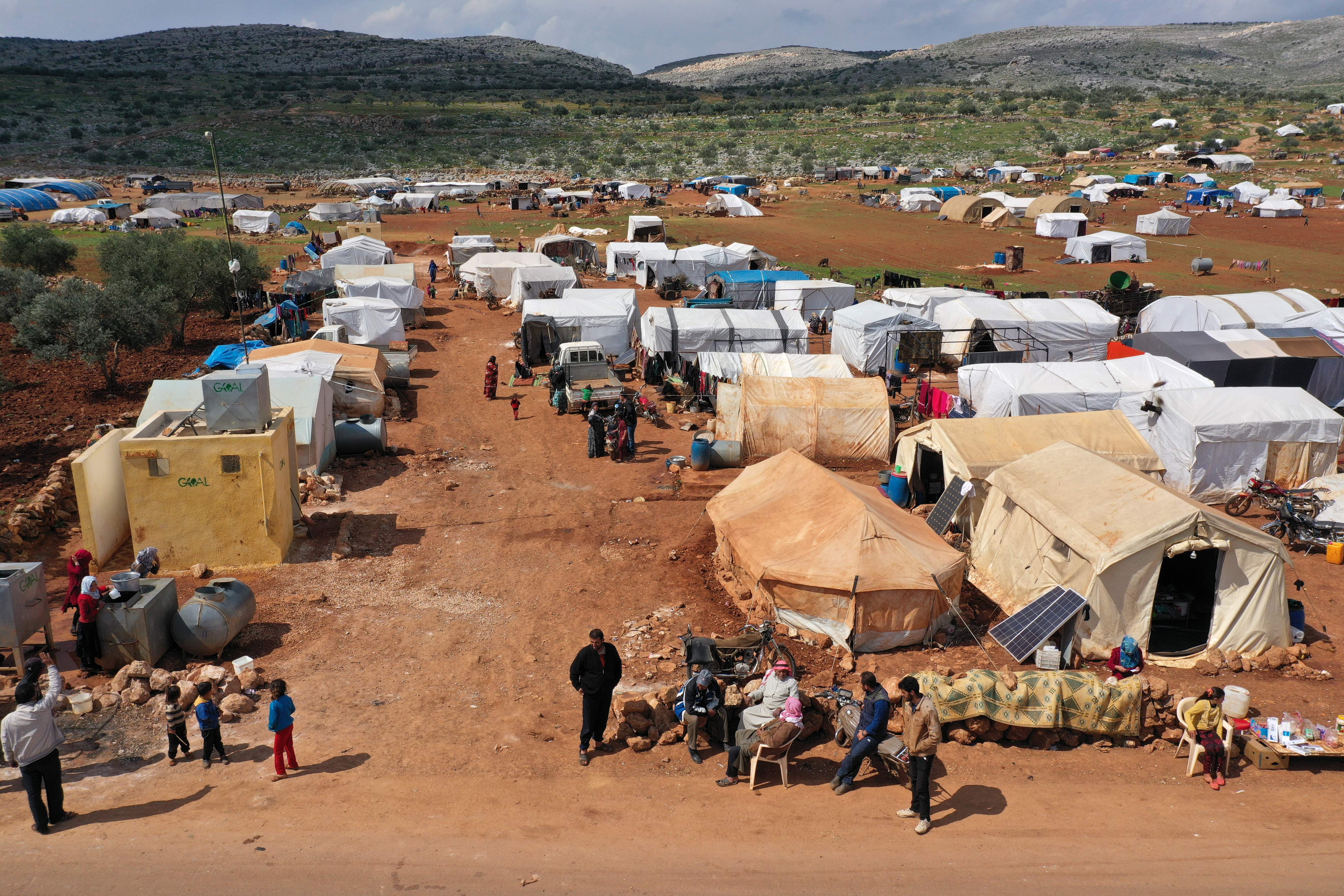
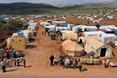
The United Nations estimates that millions of people on both sides of the border have been affected, including 9 million in Syria alone. Many across northwest Syria are enduring winter conditions without adequate shelter or access to food, drinking water, electricity or heating fuel.
Indian economist Amartya Sen famously argued that famines must be understood as problems with human origins rather than merely as natural disasters. The consequences of this disaster must likewise be understood in the larger context of the region’s politics.
Just as the scope of the devastation in Turkey can be partly blamed on shoddy construction and the political apparatus that enabled it, the consequences of the earthquake in Syria can be explained in part by the country’s devastating civil war.
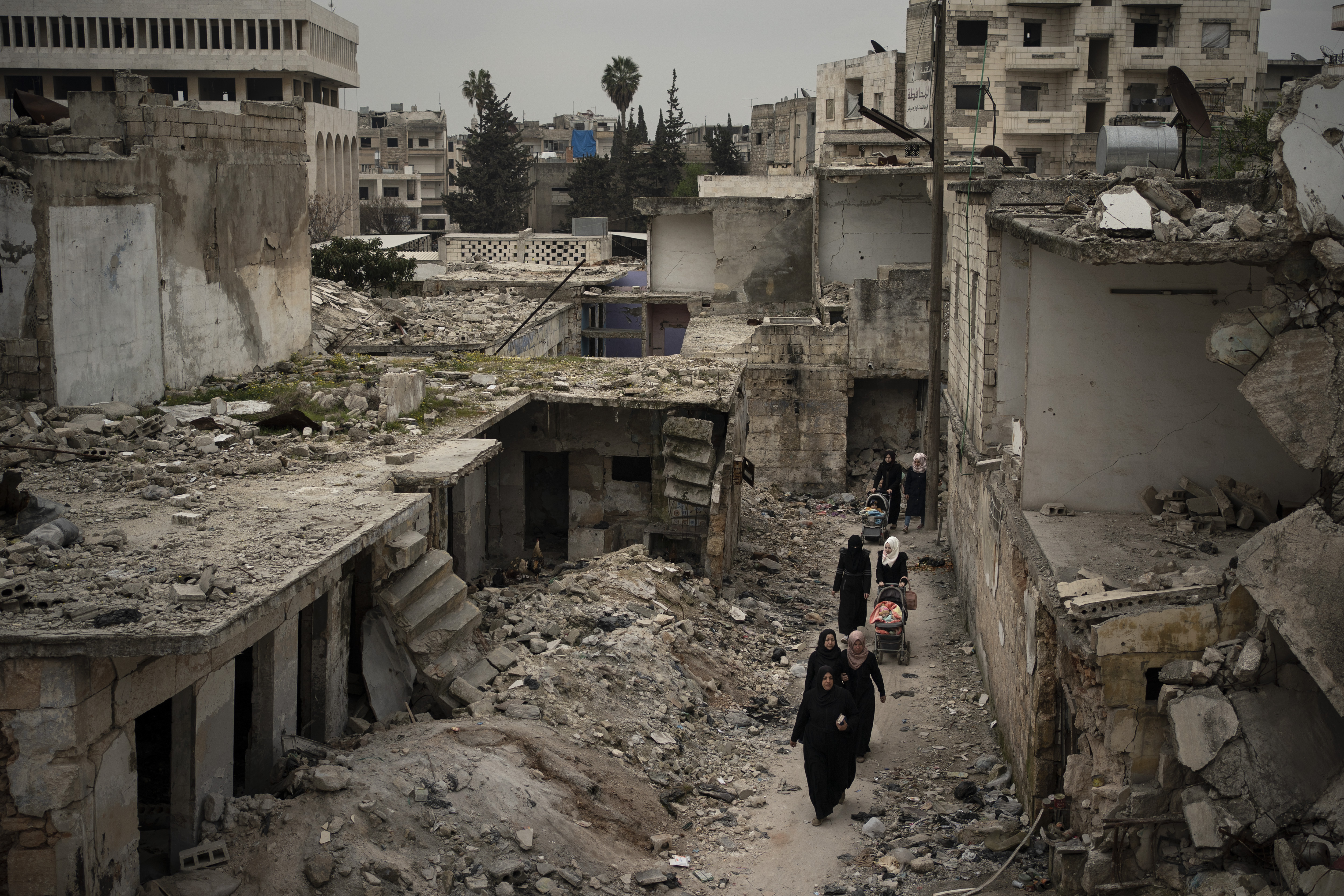
Since it began in 2011, the war there has cost more than 600,000 lives and displaced more than half of Syria’s population. This includes more than 6 million Syrians who fled abroad as refugees and 7 million more who were displaced within Syria.
Among these internally displaced Syrians, 3 million are now living in the last piece of Syria still controlled by opposition forces, the region surrounding the city of Idlib in Syria’s northwest.
This area was both badly affected by the earthquake and arguably the region of Syria least prepared to withstand it.
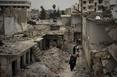
Idlib’s buildings, already badly damaged by years of bombardment by regime and allied Russian forces, had little chance of withstanding the 7.8 magnitude earthquake that occurred on Feb. 6, 2023.
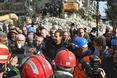
In the immediate aftermath, rescue operations were hampered by the lack of access to search and rescue equipment. Members of the Syrian civil defense organization known as the White Helmets were able to rescue some of those under the rubble, but Syrians interviewed in the media have lamented that some of those who died could have been saved with better equipment and a faster international response.
Worse, for the past several years, Russian and Syrian government forces have repeatedly bombed the region’s medical facilities, leaving them stretched beyond capacity even before the earthquake.
Now those facilities have been overwhelmed by the sheer numbers of injured requiring medical attention.
Further worsening the situation, the ongoing hostilities and political wrangling have hampered the distribution of aid to the survivors.
Syria today is divided among several warring parties, including President Bashar Assad’s regime, the Kurdish-led Syrian Democratic Forces, and the collection of armed groups that make up the opposition to Assad’s regime.
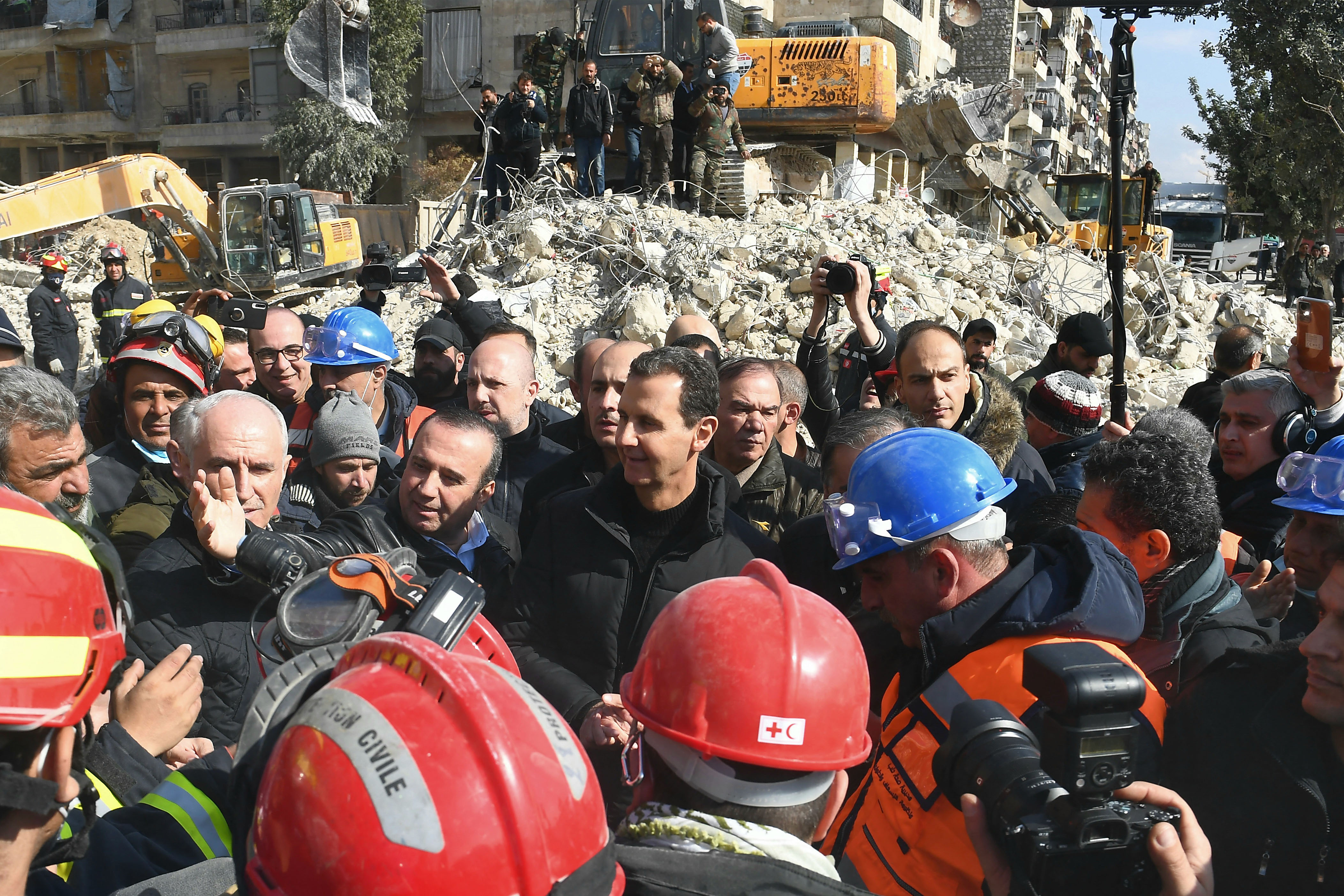
In the immediate aftermath of the earthquake, the Syrian government – which has a history of diverting international aid and using starvation as a weapon of war – insisted that all international earthquake aid must come through government-held territory.
This position is rejected by Hayat Tahrir al-Sham, the authoritarian opposition faction that controls most of Idlib province, and which has refused to allow aid to enter the region that’s sent from government-controlled areas.
After a week of international pressure, the Syrian government authorized the opening of two additional border crossings from Turkey into the affected areas for the distribution of aid by the United Nations.
Meanwhile, Human Rights Watch, a nonprofit research and advocacy group, has reported that aid being sent to earthquake-stricken territory held by the Syrian Democratic Forces has been blocked by both regime forces and the Turkish-backed armed group known as the Syrian National Army.
The Syrian regime’s forces reportedly insisted that aid could go through only if half of it were handed over to them.
Such obstacles are not present in government-held areas, where international aid has been able to arrive directly. The United States and European Union have also adjusted their sanctions against the Syrian government for the next six months to ensure the speedy delivery of humanitarian aid.
But the long-standing economic consequences of the war, including the collapse of Syria’s currency, mean that all areas of Syria face a difficult recovery.
Syrians who have fled the country have been affected as well. Turkey hosts more than 3.5 million Syrian refugees, many of whom settled in the area hit by the earthquake.
Like the Turkish population of the region, they too have lost family and friends, homes and livelihoods. Now, some also face hostility from those who oppose the provision of government aid to the refugees.
In the immediate aftermath of the tragedy, it is understandable that the first impulse of the international community has been to dispatch search and rescue teams, food and medicine and other types of aid.
But in the longer term, the factors that made this earthquake so terribly devastating remain unresolved and stand to complicate any humanitarian response. An effective response would need to take into account the human origins of the political, economic, and humanitarian conditions that resulted in civil war – not just the impact of a natural disaster.
One good first step would be to make permanent the two additional border crossings into the opposition-held areas, which at present have been authorized only temporarily by the Syrian government, although the regime will be reluctant to do so.
It will be especially important to rebuild medical facilities in Idlib, where Syrians are providing supplies as best they can.
Both Syria and Turkey are facing a painful reconstruction process. But for Syria, the process will be further complicated by a war that is not over and whose consequences will be with Syria for years to come.
This article is republished from The Conversation, an independent nonprofit news site dedicated to sharing ideas from academic experts. The Conversation is trustworthy news from experts, from an independent nonprofit. Try our free newsletters.
Read more:
2 reasons – and 1 disease – that make peace in Syria so difficult
Syria: who’s involved, and what do they want?
Ora Szekely does not work for, consult, own shares in or receive funding from any company or organization that would benefit from this article, and has disclosed no relevant affiliations beyond their academic appointment.






















































Comments