Commentary: Today's inflation is really an energy shock
Published in Op Eds
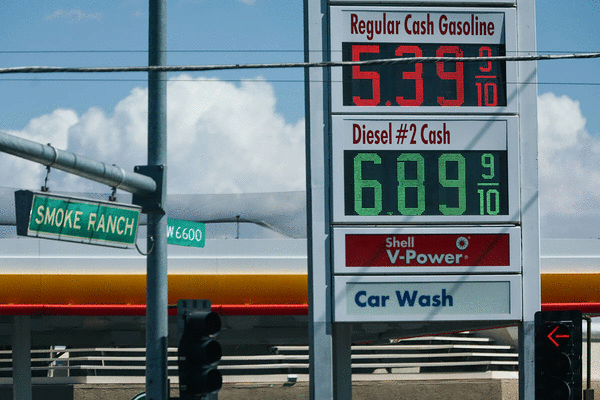
Americans are frustrated with today’s high cost of living, especially fuel prices. Although incomes rose faster than prices last year, it’s been the opposite since February. The only good news is that this inflation will subside when overseas conflicts are resolved, but there is likely more pain to come for consumers until then.
The significant reacceleration of inflation that began in March is due to disruptions in global energy markets. The wars with Iran and in the Ukraine have not only shut off a considerable amount of the world’s crude oil supply, but refined products too, like gasoline, diesel, jet fuel, and home heating oil.
Nations worldwide have coped with this reduction in supply by draining energy reserves, like the Strategic Petroleum Reserve in the U.S., and running refineries at maximum capacity—even delaying critical maintenance. These extraordinary measures blunted but didn’t eliminate the energy shock.
In recent months, Ukrainian strikes on Russian energy infrastructure have reduced Russia’s diesel export capacity by about 90%, effectively taking one of the world’s largest diesel producers out of the market. That additional supply shock has caused diesel prices in particular to skyrocket.
It’s clear that such energy shocks will affect energy prices, but people often underestimate how much energy affects the price of everything we do and everything we buy. Thus, the energy shock is slowly transforming into an “everything shock,” and it’s showing up in the data.
When someone grabs an item off a store shelf, whether it’s a gallon of milk or a box of screws, that item arrived there on a truck fueled by diesel—and often a train fueled by diesel too. Higher transportation costs put upward pressure on prices everywhere.
Many products are also energy-intensive to produce, like aluminum, where about one-third of its cost of production is electricity. Increasing that input cost makes thousands of items, from soda cans to airplanes, more expensive.
Moreover, energy is a direct input for countless products, from fertilizer to cosmetics to plastics—all synthesized from oil and natural gas. More expensive fertilizer drives up food prices, and plastics are in just about everything today. As elevated energy prices migrate through supply chains, prices everywhere are starting to rise, even if only mildly.
This is a stark contrast to supply-chain data back in January and February, before the Iran war, which indicated prices for many consumer staples would be falling by this time, not rising. That’s still true for some items like certain pharmaceuticals and dairy products, but higher energy prices have simply overpowered any deflationary pressure on most consumer prices this year.
Import price data also confirm that today’s inflation is really an energy shock. America has weathered the oil shortage better than most countries because it’s the world’s largest energy producer, pumping a record amount of oil today. Oil prices elsewhere have been higher, which in turn has increased non-energy prices on products and services faster.
Fuel import prices in September rose 4.8% from August and a whopping 34.5% from a year prior. But non-fuel import prices are also rising fast, up 6% over the last 12 months, the fastest annual increase in almost four and a half years. Conversely, non-fuel prices in the U.S. rose at just one-tenth that pace over the same period.
Despite America’s relatively insulated position, the high energy prices since February—especially the high diesel prices more recently—are already spilling into every corner of the economy. Months of elevated inflation are already baked into the cake, so even if the wars in Iran and the Ukraine end immediately, the effects will continue for a while.
Despite that negative short-term outlook, there is some reason for optimism. Since the inflation this year stems from temporary conflicts overseas and not something wrong with the American economy’s fundamentals, energy prices should start coming down once those conflicts end and oil markets normalize.
Until then, however, people will continue to complain about the economy, with negative responses in survey data like consumer sentiment, consumer expectations, and consumer confidence. That’ll remain true even as—or perhaps especially as—the energy shock looks less and less like an energy shock.
____
E.J. Antoni, Ph.D., is chief economist and the Richard Aster fellow at the Heritage Foundation and a senior fellow at Unleash Prosperity.
_____
©2026 Tribune Content Agency, LLC.


















































Comments