Commentary: Meet Halloween's most misunderstood animal
Published in Op Eds
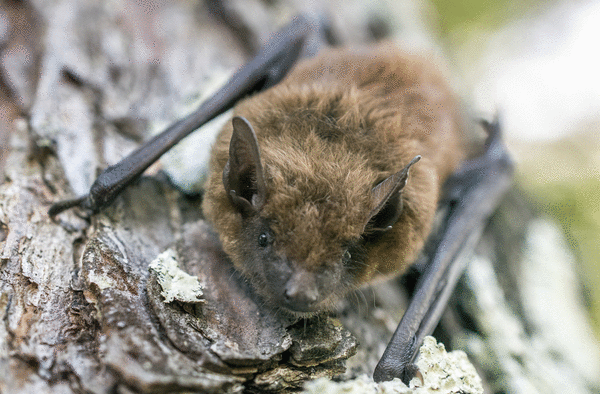
Every October, bats flutter through haunted houses, horror movies and Halloween decorations as symbols of darkness, danger and things that go bump in the night. Thanks to Dracula and generations of spooky stories, they’ve earned an undeserved reputation as tiny flying monsters.
The real bats flying overhead on crisp autumn evenings are among nature’s most remarkable neighbors.
Their nighttime habits, silent flight and ability to vanish into darkness have inspired legends for centuries. But the qualities that make bats seem mysterious are the very ones that make them extraordinary. Scientists continue to uncover more about their navigation, longevity and complex social lives. The more we learn about bats, the less they resemble the frightening caricatures of Halloween—and the more they resemble the intelligent, adaptable neighbors they’ve been all along.
Bats are the only mammals capable of true flight, navigating the night sky with astonishing precision. Using echolocation, they can detect objects as thin as a human hair while chasing insects in complete darkness. Some consume hundreds of mosquitoes in a single hour. Others pollinate flowers and disperse seeds, helping forests grow and supporting crops that produce foods such as bananas, mangoes and guavas.
Healthy bat populations help forests regenerate and naturally control insect numbers, reducing the use of chemical pesticides. Farmers, gardeners and anyone who enjoys spending time outdoors all benefit when bats simply go about their lives each night.
They’re also surprisingly social. Vampire bats form friendships that can last a decade or longer, gradually building trust through grooming, spending time together and sharing food. Mothers recognize their own babies among thousands of pups gathered together in nursery colonies, and some young bats even “babble” much like human infants. Their lives revolve around family, friendship and community.
Yet despite everything scientists have learned about bats, they’re still among the world’s most misunderstood animals. Many people fear them simply because of old myths and Halloween imagery. In reality, bats generally want no more to do with us than we do with them.
The real danger isn’t bats—it’s how humans treat them. Habitat destruction continues to threaten many bat populations, while frightened people often kill bats simply for living nearby. In some parts of the world, people even kill bats for food or capture them for entertainment, despite their vital role in healthy ecosystems.
Halloween has long encouraged us to fear certain animals. Black cats are branded as bad luck. Spiders are portrayed as sinister. Bats become villains circling moonlit castles. But these animals aren’t Halloween props. Like the dogs and cats who share our homes, they want safety, comfort and the chance to raise their families in peace.
So enjoy the costumes, haunted houses and ghost stories this October. Just remember that the scariest stories about bats belong in fiction.
Real bats deserve something better than fear. They deserve our respect.
After all, every animal is someone.
_____
Scott Miller is a staff writer for the PETA Foundation, 501 Front St., Norfolk, VA 23510; www.PETA.org.
_____
©2026 Tribune Content Agency, LLC.

















































Comments