For nearly 250 years, the US has had eyes on Latin America – but interventions then looked rather different
Published in Political News
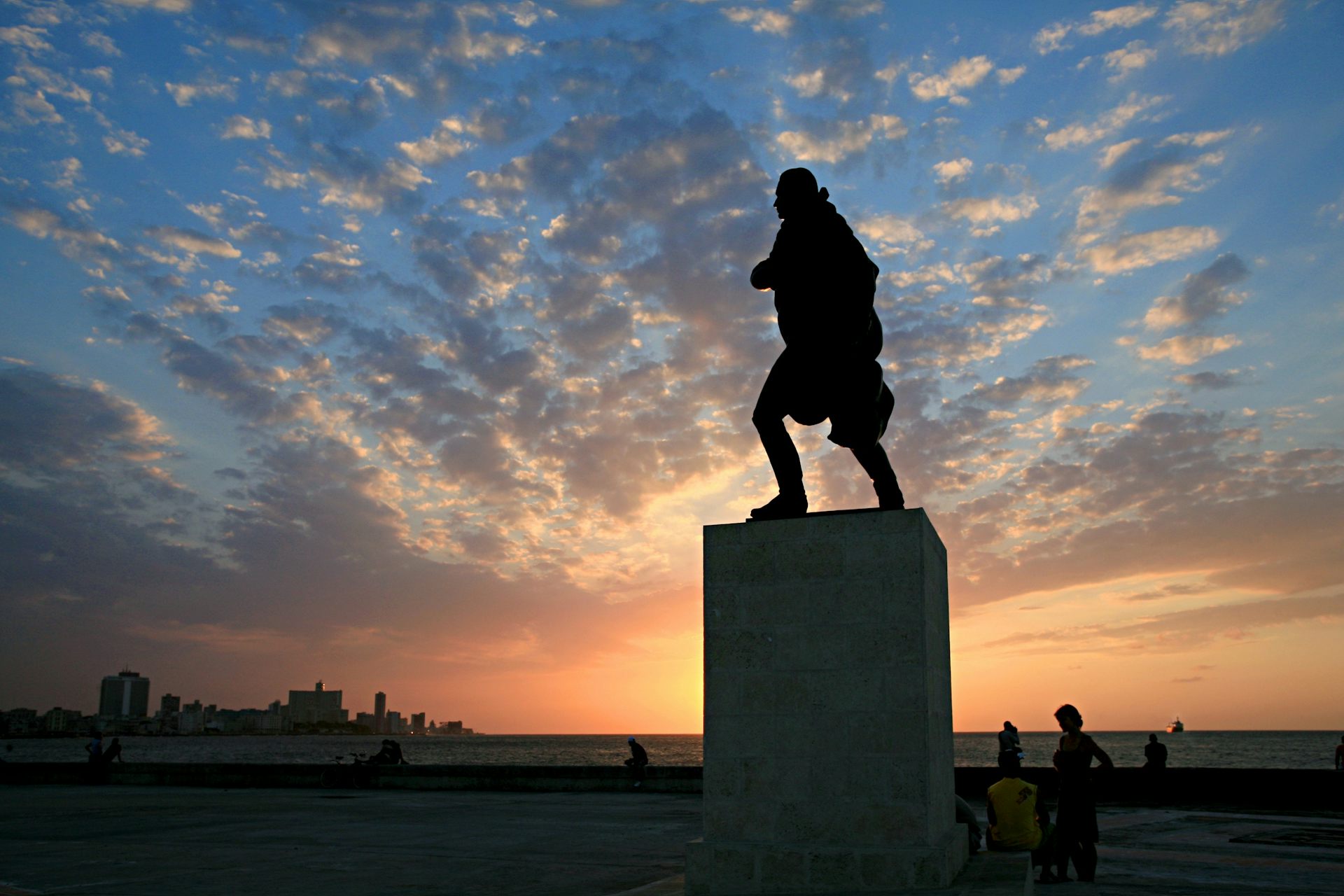
Since the beginning of the second Trump administration, the United States has ramped up military, economic and political interventions in Latin America.
Nowhere were those three factors more clear than the U.S. abduction of Venezuelan President Nicolás Maduro in January 2026. Since then, the Trump administration has used a mix of carrots and sticks to cajole what remains of Maduro’s government to support U.S. aims, including opening up the country’s oil industry to foreign development and targeted killings of accused criminals in the country. At the same time, the U.S. has found local Venezuelan allies in opposition leaders such as María Corina Machado, winner of the 2025 Nobel Peace Prize and a longtime Maduro critic.
As a historian of early U.S. political economy, diplomacy and war, I believe the ongoing U.S. intervention in Venezuela echoes a far earlier intervention in the early 19th century.
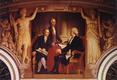
It was then, in 1805, that the South American revolutionary Francisco de Miranda visited the U.S. on a charm offensive to meet with leading statesmen, including President Thomas Jefferson. In a similar vein as Machado today, his goal in meeting with U.S. officials was to rally support for his proposed expedition to overthrow an unpopular government at home.
From almost the beginning, America’s founders wanted to protect and expand the country beyond the 13 original states. In addition to running up against vast tracts of land populated by Native Americans, that meant almost immediate rivalries with the foreign empires – Britain, France and Spain – that had laid claim to large parts of the modern-day U.S.
It was in this age of revolution and expansion in Europe and the Americas that Miranda cut a ubiquitous figure.
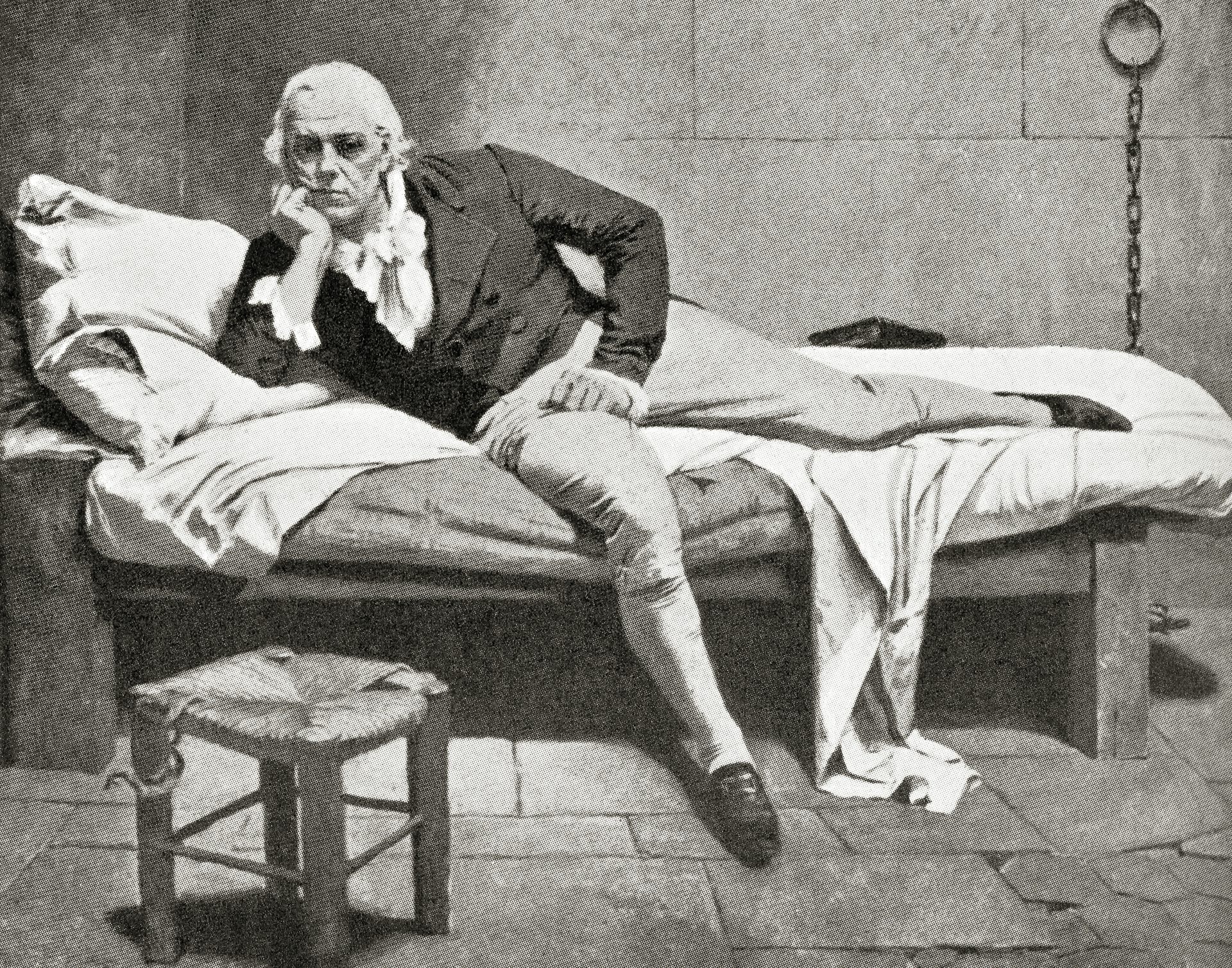
He was a veteran of the American Revolution, fighting in a U.S.-allied Spanish army against the British in Florida. He would go on to fight among republican forces during the French Revolution, being imprisoned by the more radical Jacobins.
Yet it was the independence of South America from the Spanish Empire – particularly in his native Venezuela – that could be considered his life’s work.
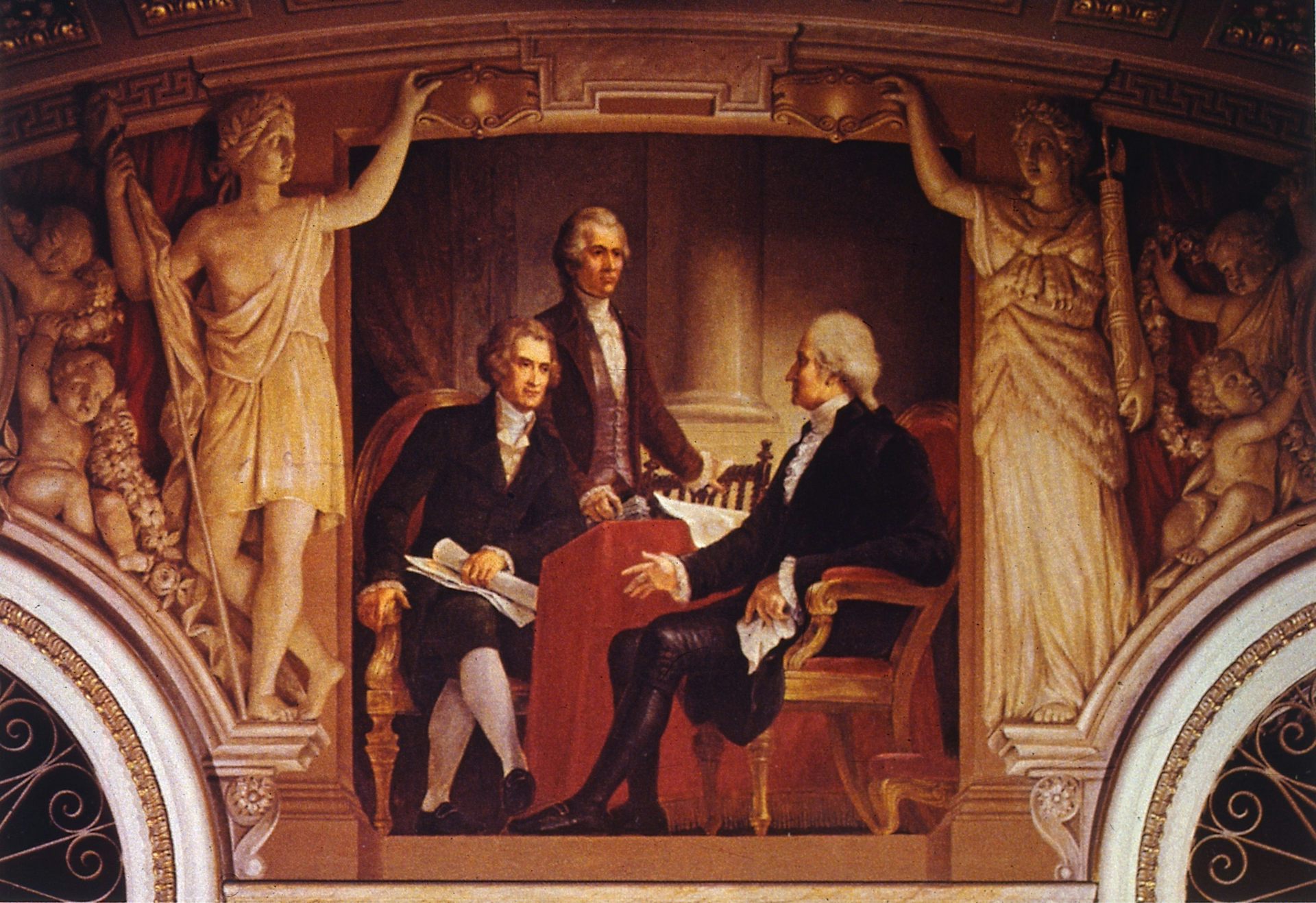
Miranda had spent over two decades courting allies in the U.S. in support of South American republicanism – and specifically the overthrow of the Spanish colonial government in Caracas and elsewhere. Such was Miranda’s successful cultivation of powerful Americans that Alexander Hamilton, the nation’s first Treasury secretary, was one of his most influential advocates.
In 1784, Hamilton sent Miranda a long list of notables who would be interested in South American intervention. Then, in 1798, once Hamilton was appointed inspector general, he implied that the recently expanded U.S. Army could be a vehicle for seizing Spanish territory. Although that didn’t come to fruition at the time, the point was clear: Miranda believed American statesmen were receptive to his ideas.
In the early 19th century, anticolonial agitation rocked the Spanish territory that would soon become Venezuela. Increasing Spanish costs for defense, such as building forts and training militia, led to higher taxes and strained local economies. That came after several tax rebellions broke out in the last decades of the 18th century. In general, there was widespread societal discontent over restrictive Spanish trade monopolies, as well as exclusive government posts for Spanish-born judges and officials.
Soon after their own revolution from colonial rule, many Americans had a general sympathy for South American colonial subjects – if a limited understanding of their political situation.
Additionally, U.S. investors wanted access to the South American silver trade, as well as an end to Spanish royal monopolies on Venezuela’s coffee, cacao and indigo, just like U.S. investors today eye oil and real estate.
Amid this context, Miranda arrived in New York City in the fall of 1805 with plans to find allies for a scheme to foment a war for independence.
He met with William Smith, an old friend and the son-in-law of former President John Adams. Smith, serving as surveyor of the port of New York, connected him with a wealthy merchant named Samuel Ogden, who often sailed armed vessels to Haiti. The two men suggested that Miranda travel to Washington to secure official U.S. government support before proceeding with his plans to overturn the government in what became Venezuela.
When Miranda arrived at the White House, he sat in on a Cabinet meeting and was invited to dine with Jefferson. They chatted about revolution, and Jefferson spoke favorably of Spanish American independence, predicting that it would soon come to pass.
Jefferson would later write to Don Valentín de Foronda, Spanish minister to the U.S., that his administration “had no suspicion that (Miranda) expected to engage men here.” But it would be very surprising if Jefferson had not caught whiff of the expedition – either from Miranda himself or through gossip.
Indeed, the capital’s elites were abuzz with Miranda’s visit and plans. Washington merchant and investor William Mayne Duncanson, for example, called on Jefferson to offer his services in the venture, assuming that Jefferson was amenable to Miranda’s plans.
Whatever Jefferson’s knowledge, he also cared about America’s diplomatic reputation – and, more broadly, the law of nations. So he worked for several years to convince Spain that the U.S. government was not involved in organizing the expedition.
Miranda returned to New York from Washington in early January 1806 without official support. He assumed, however, that he had the tacit approval of the Jefferson administration. So he, Smith and Ogden fitted out a merchant vessel called the Leander with military stores and 200 men, who had varying degrees of understanding about what they had signed on to.
They left New York City on Feb. 2, 1806, and the press began speculating about where the ship was going and who was on board.
On Feb. 22, a list of incriminating questions addressed to Secretary of State James Madison appeared in the Philadelphia Gazette. This editorial, assumed by other newspaper editors to be submitted by the Spanish ambassador, accused Madison and Jefferson of condoning Miranda’s actions.
Partly to avoid culpability at home and abroad, Jefferson pressed charges against Ogden and Smith. They were arrested on Feb. 20 and tried in a federal court that summer. A sympathetic jury declared them not guilty.
Meanwhile, members of Miranda’s expedition were captured by Spanish soldiers off the coast of what would soon become Venezuela and tried for their attempted insurrection. The majority were imprisoned; 10 men were hanged.
Miranda escaped to Aruba and later played a major role in the Venezuelan war of independence from Spain that begin in 1810. There, he briefly led the country before being sidelined by his protegé, the great liberator Simón Bolívar, who believed Miranda traitorously reached armistice terms with the Spanish Empire in 1812 and gave him up to Spanish authorities. Miranda died in a prison in Spain in 1816.
In the U.S., the fate of the American prisoners fueled public outrage and an acrimonious political debate about expedition. As Jefferson’s opponents criticized him for sanctioning intervention and neglecting to free the prisoners, his supporters lashed out at the opposing Federalist Party for allegedly orchestrating a rebellion in Spain’s colonies in the first place.
Miranda’s expedition was one of the earliest instances of debates of the U.S. considering intervention in Latin America. At this point in its young history, the U.S. government officially refused to countenance a military expedition.
But it would launch a long history of foreign elites like Miranda believing that American intervention could be a necessary tool for creating a new political reality at home. The goal, as ever, was freedom from unpopular rule.
This article is republished from The Conversation, a nonprofit, independent news organization bringing you facts and trustworthy analysis to help you make sense of our complex world. It was written by: Lindsay Schakenbach Regele, Miami University
Read more:
A more complete Latin American history, including centuries of US influence, helps students understand the complexities surrounding Nicolás Maduro’s arrest
Trump’s coercive tactics in Latin America evoke era of gunboat diplomacy – and the rise of anti‑imperialism it helped spur
Earthquakes in Venezuela expose a severely under‑resourced and unprepared healthcare system
Lindsay Schakenbach Regele does not work for, consult, own shares in or receive funding from any company or organization that would benefit from this article, and has disclosed no relevant affiliations beyond their academic appointment.
















































Comments