Trump’s US-Iran ceasefire deal is a costly return to prewar conditions – and resolving nuclear questions will run into the ‘indivisibility problem’
Published in Political News
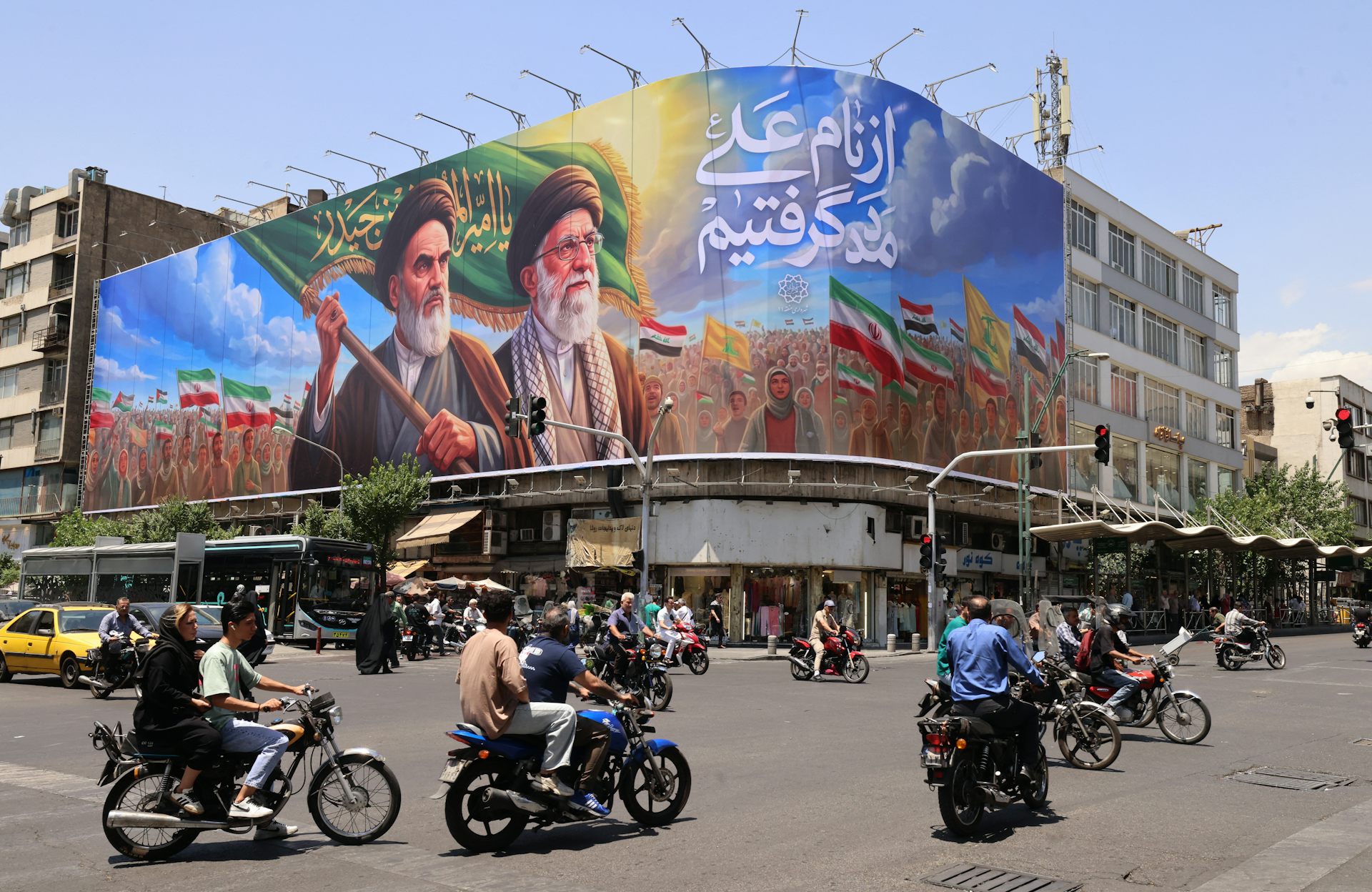
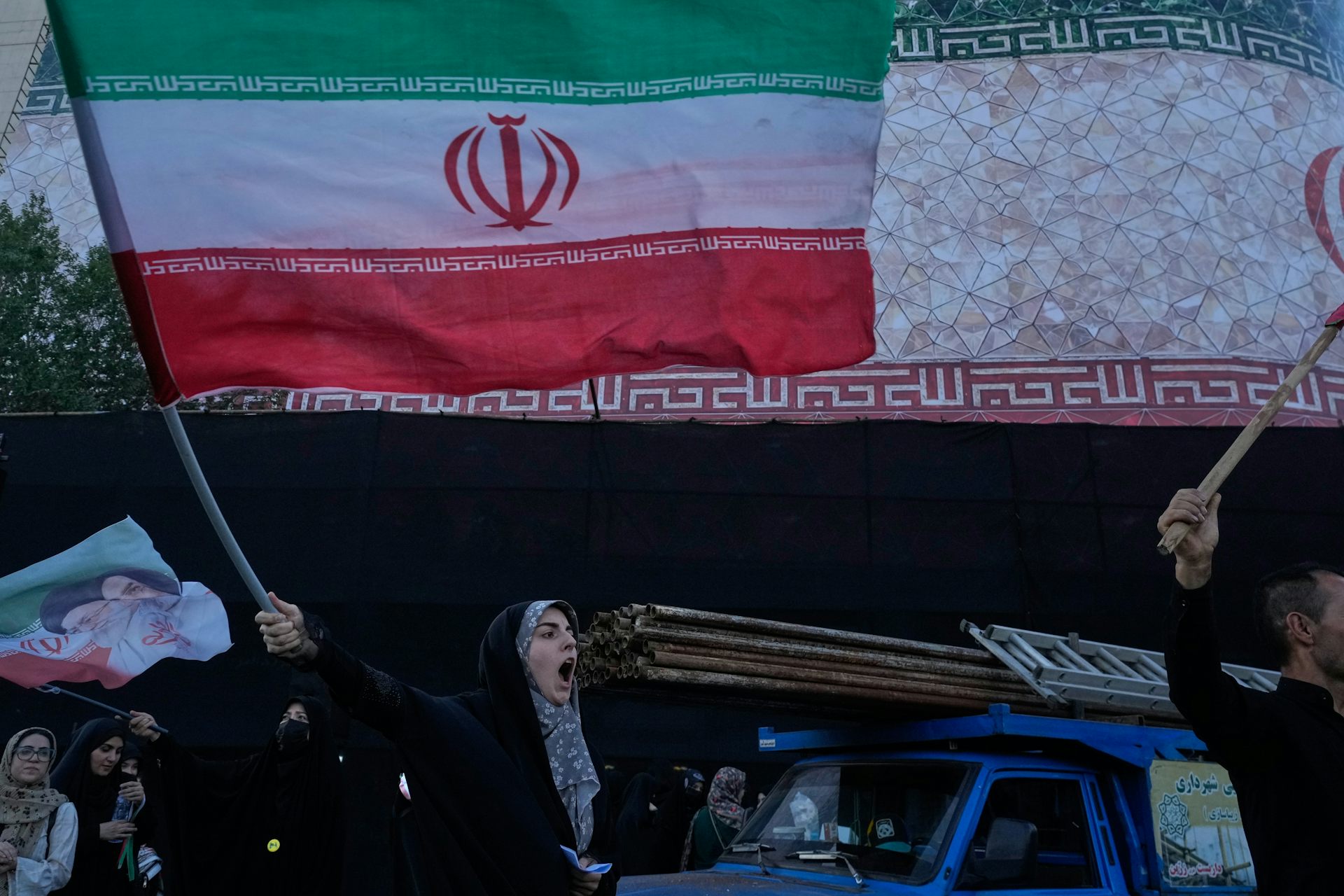
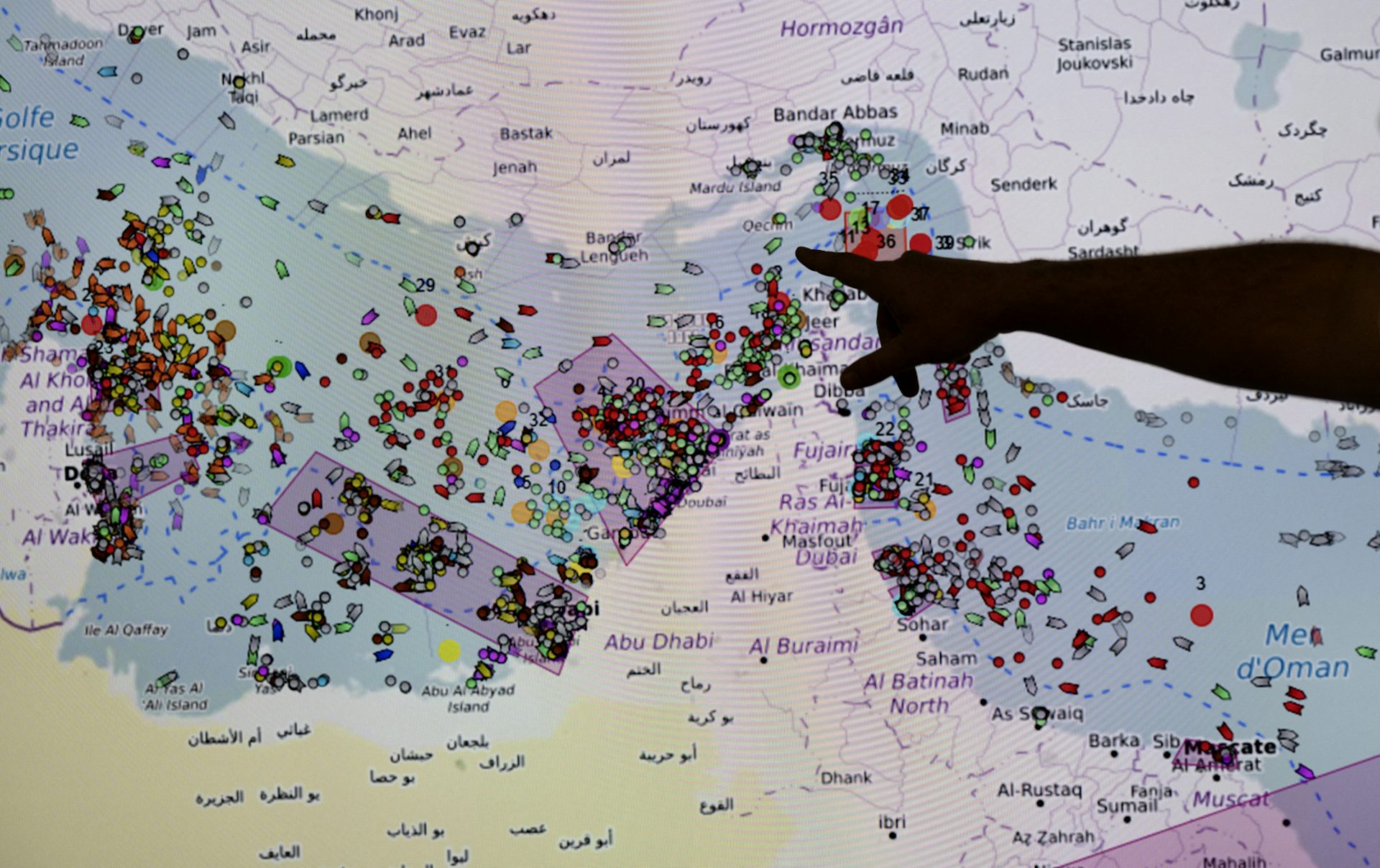


Shehbaz Sharif, the prime minister of Pakistan, which served as the key negotiator between the U.S. and Iran, announced on June 14, 2026, that the two sides had agreed on a deal to end the war. It will be officially signed on June 19 in Switzerland.
President Donald Trump announced it on Truth Social as a triumph, claiming that the Strait of Hormuz is open for everyone, the U.S. blockade has been lifted, and the oil is flowing again. What Trump did not mention was Iran’s nuclear program and what happens to its enriched uranium stockpile, one of the main reasons cited for starting the war.
The nuclear issue – along with core issues such as ballistic missiles and Iran’s proxies – has been deferred for 60 days.
This raises two important questions: What was the war actually for? And what did the U.S. achieve?
As an international and nuclear security expert, I believe the answer is nothing – and in the process the U.S. lost credibility as a negotiating partner.
The “rationalist theory of war,” as developed by political scientist James Fearon in 1995, identifies three problems that drive states to war when they would prefer to reach a deal: incomplete information about each other’s resolve; the inability to credibly promise a deal or commitment; and what international relations scholars call the indivisibility problem – when the thing in dispute cannot be split or shared, because it leaves no middle ground to settle on.
The war clarified the first reason. Each side saw what the other would actually do – how much force the U.S. was willing to use and what Iran could absorb while still staying in the fight.
What the war could not solve was the nuclear commitment problem. And this goes far back between the U.S. and Iran.
Iran adhered to the 2015 Joint Comprehensive Plan of Action, the landmark nuclear deal that restricted Tehran’s nuclear program. The International Atomic Energy Agency verified that Tehran kept uranium enrichment to 3.67% and its stockpile under 300 kilograms – a concentration used to fuel a power reactor but far too low for a weapons program.
But the U.S. walked away in 2018, and Trump later called it “the worst deal ever” over its sunset clauses and on its silence on Iran’s ballistic missiles.
Iran returned to negotiations in 2025, and the U.S. and Israel bombed Iran while those talks were still taking place. Similarly, in February 2026 the negotiations were ongoing and a deal was within reach when Israel and the U.S. struck Iran – killing Supreme Leader Ali Khamenei and lead negotiator Ali Larijani.
The U.S. has demonstrated a record of reneging on its deals and breaking the negotiating process. Which is why Iran now insists on guarantees and demands sanctions relief before signing a deal, and not just good faith.
A state that previously kept its commitments and was still bombed has little reason to accept promises of relief in the future. For this reason, I believe the 60-day deferral is a window for Tehran to watch whether the U.S. and Israel will hold the ceasefire on all fronts, including Lebanon.
The third problem of indivisibility – when the thing or issue in dispute can’t be split or shared – is why the nuclear question is the hardest.
Most disputes can be split. Sanctions, for example, can be lifted by degrees. Even a nuclear program can be split, which the world saw in the Joint Comprehensive Plan of Action deal, with centrifuges counted, enrichment capped and a stockpile metered.
What cannot be split is the U.S. demand for zero uranium enrichment and Tehran calling uranium enrichment a sovereign right.
The 2015 nuclear deal also limited Iran’s centrifuges – the machines that do the enriching – and placed Iran’s nuclear program under the most intrusive inspections, all in exchange for sanctions relief.
The nuclear question was not part of the 2015 deal – it was the actual deal.
During the June 2025 negotiations with Iran, and again in February 2026, the U.S. position was about the nuclear program, but in the opposite direction from the Joint Comprehensive Plan of Action. It was not about limits but the total elimination of Iran’s nuclear program.
In both rounds of talks in 2025 and 2026, Washington’s envoy, Steve Witkoff, demanded zero enrichment and the dismantling of Natanz, Fordow and Isfahan – Iran’s three most important nuclear sites. Iran called enrichment a sovereign right and refused.
Both rounds of negotiations ended in bombings.
The current deal to be signed on June 19 does not put a cap on Iran’s enrichment, nor does it discuss the elimination of its nuclear program. It ends the fighting, reopens the Strait of Hormuz and consigns enrichment, the stockpile, missiles and Iran’s regional proxies to 60-day negotiations.
In a recent New York Times interview, Trump said he was in no rush to remove the near-bomb-grade fuel still buried under the bombed sites. He claimed Iran would suspend enrichment for 15 or 20 years and enrich only for nonmilitary purposes.
In the Joint Comprehensive Plan of Action deal under President Barack Obama, the nuclear question was addressed where 97% of Iran’s stockpile was shipped out of the country and the cap was a verified fact.
Because it doesn’t address any of these issues, the Trump deal is a ceasefire agreement, not a nuclear agreement.
Going back to the bargaining theory, we know the war settled the information problem – it revealed what each side would endure.
The commitment problem remains. Neither side can yet make a promise the other believes, least of all an Iran whose negotiators were killed.
And I believe the indivisibility problem is now worse. The question of zero enrichment versus a sovereign right cannot be split. The current 60-day deferral is not a resolution. It is the same unsolved problem with a clock attached.
The one thing that could change is American restraint. If Washington holds Israel from striking Iran and Lebanon, it can slowly rebuild its credibility that was destroyed by the two wars. And that is a real challenge for the Trump administration.
Even as the deal was being finalized, Israel struck Beirut, the kind of action that can derail any talks.
In my view, the 60-day window should be read not as the path to a settlement but as the interval or pause before the next one fails.
I argued in April that this conflict would not end in a clean settlement but in a series of contested pauses. The deal to be signed on June 19 is the first of them.
Iran emerges with its enrichment knowledge intact, its stockpile buried and fresh reason to believe that only a nuclear weapon would have deterred the U.S.-Israel attack.
But Iran also knows that it stood its ground and was able to strike U.S. bases and allies in the region. It has discovered leverage it did not previously know it held. The Strait of Hormuz has proved a better deterrent than the nuclear bomb.
The strait is open, the oil is flowing, and the question the war was fought over sits exactly where it began. Thousands of lives were lost to arrive back to square one. Nobody has won, though both sides will say they did.
This article is republished from The Conversation, a nonprofit, independent news organization bringing you facts and trustworthy analysis to help you make sense of our complex world. It was written by: Farah N. Jan, University of Pennsylvania
Read more:
Trump’s war against Iran is uniquely unpopular among US military actions of the past century
4 ways the war in Iran has weakened the United States in the great power game
Why the Iran war is breaking the US‑European strategic alliance
Farah N. Jan does not work for, consult, own shares in or receive funding from any company or organization that would benefit from this article, and has disclosed no relevant affiliations beyond their academic appointment.




















































Comments