Conspiracy theories that emerged from a civil rights shooting 60 years ago resonate today
Published in Political News
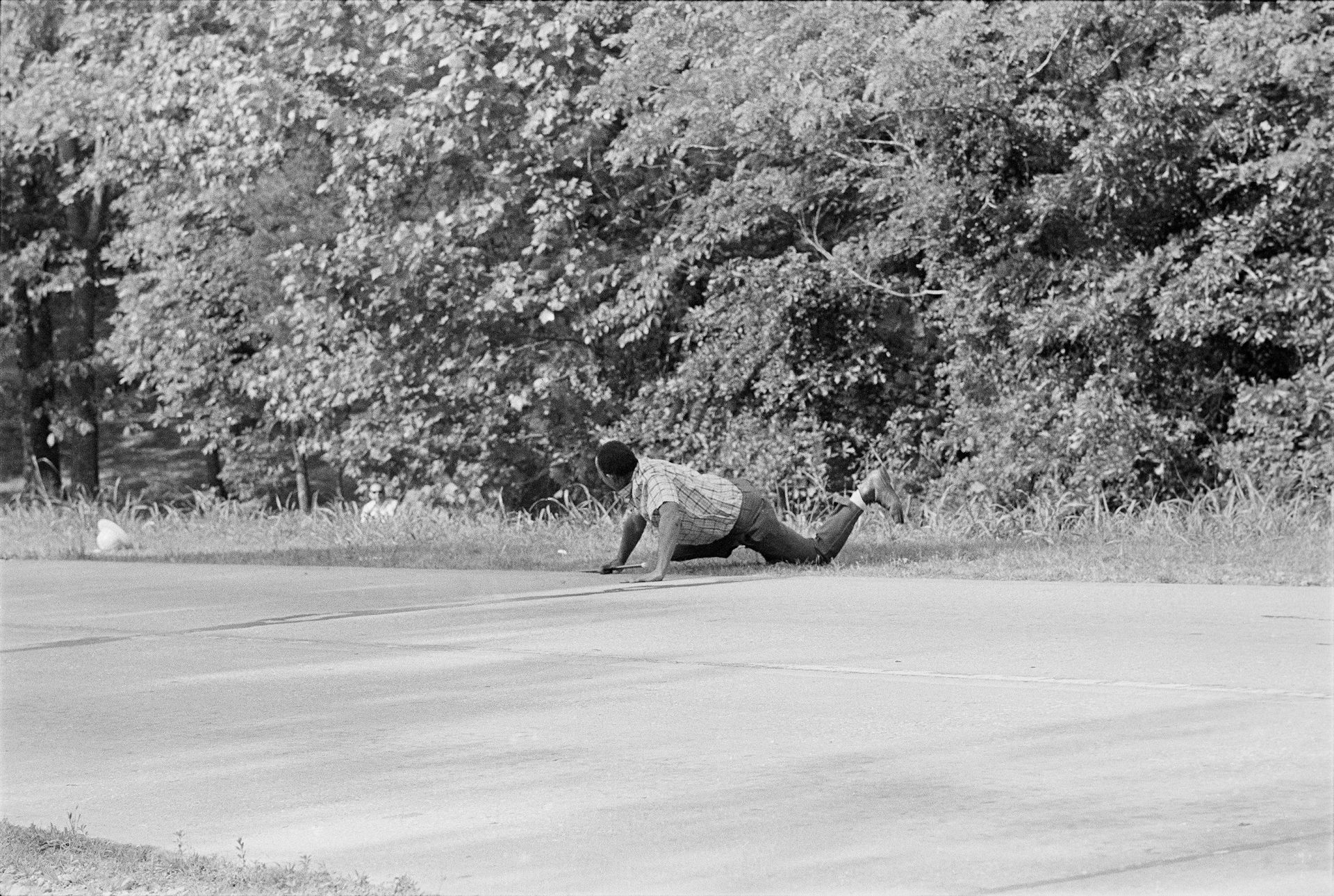
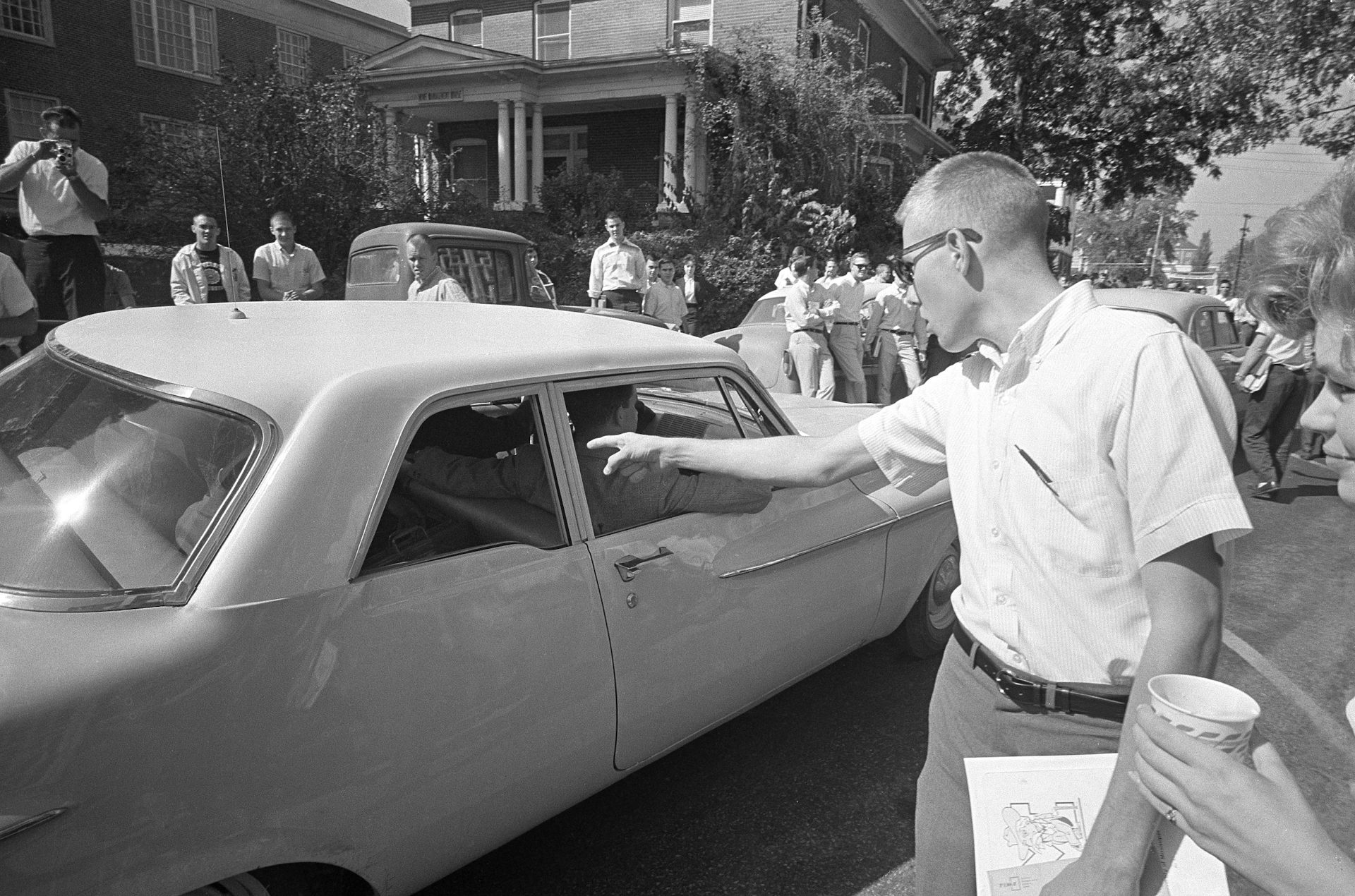
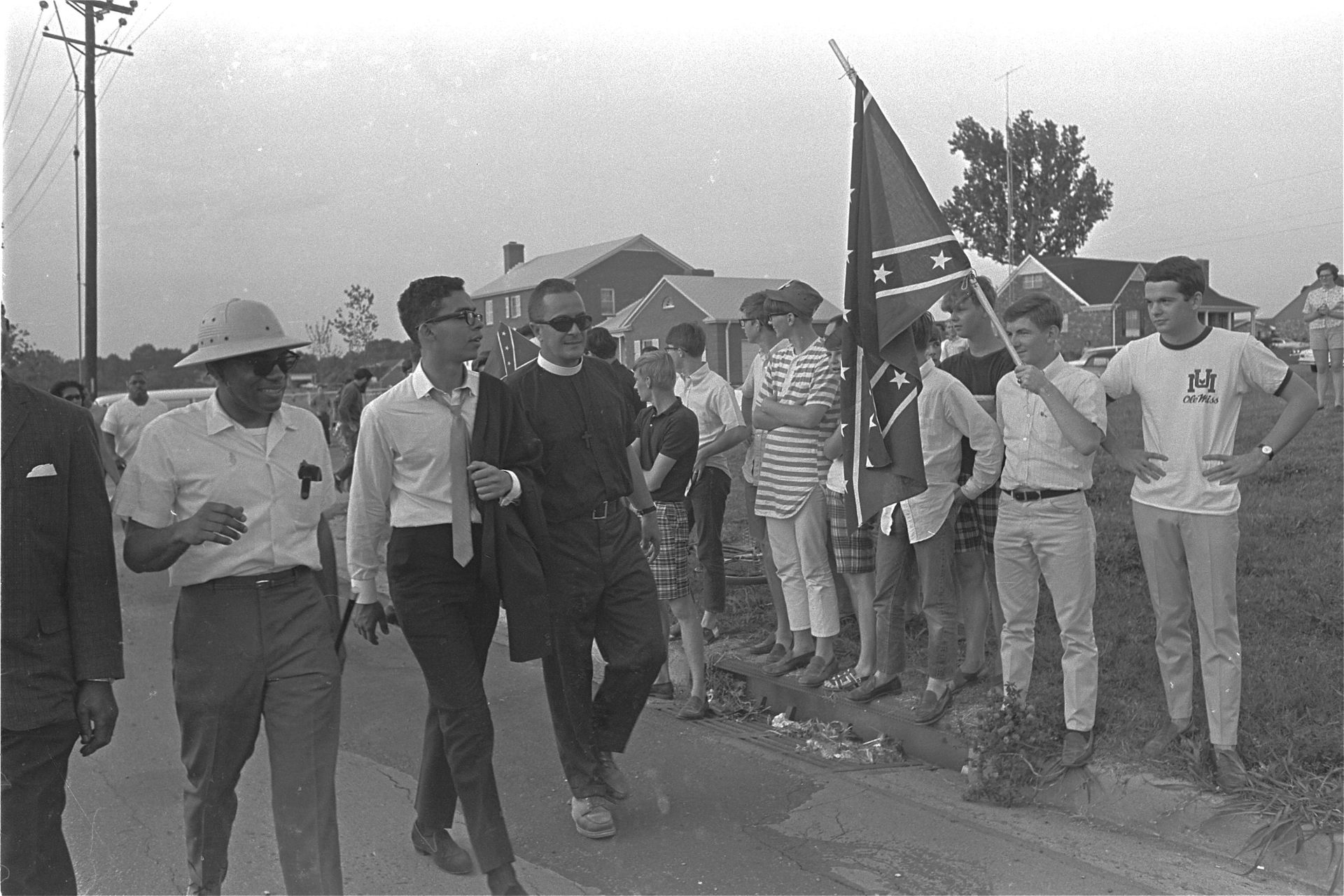
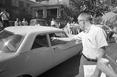
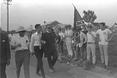
On June 6, 1966, on a stretch of Highway 51 just south of Hernando, Mississippi, a portly, middle-aged white man named Aubrey Norvell stepped out of a gully, lifted his shotgun and fired three shots at James Meredith, a Black civil rights activist and Air Force veteran.
Famous for integrating the University of Mississippi four years earlier, Meredith was on the second day of a walk from Memphis, Tennessee, to Jackson, Mississippi, with the aims of registering voters and defying white intimidation.
Bloodied by bird shot, Meredith again returned to the national spotlight. The shooting transformed his walk into a civil rights spectacle.
Activists descended upon Mississippi for a three-week mass march. It featured titans of the movement, including Martin Luther King Jr., while inspiring Mississippians to march down country roads, volunteer their homes and food, and register at their local courthouses. During these protests, the civil rights activist Stokely Carmichael introduced “Black Power,” a slogan of self-determination that marked the next stage in the Black freedom struggle.
It is a rich, intricate and evocative story – one that I tried to chronicle in my book, “Down to the Crossroads: Civil Rights, Black Power, and the Meredith March Against Fear.”
Sixty years later, however, a mystery lingers. Clouded in the haze of a political extravaganza, Norvell never revealed his motivations for shooting Meredith.
His silence allowed for the flourishing of conspiracy theories – most notably, from those most resistant to racial equality. In a political and rhetorical strategy that echoes into the present day, many white conservative Southerners painted themselves as Norvell’s real victims.
At first, it was civil rights activists who suspected a conspiracy. Meredith’s companions testified that law enforcement had reacted slowly to Norvell’s threat. They assumed that Norvell was a virulent white supremacist, in cahoots with a racist police force.
But as reporters investigated Norvell, they found no evidence of a hate-spewing Klansman. He lived in a middle-class Memphis suburb. He had no criminal record. Neighbors described him as a “quiet, Christian man” who never mentioned civil rights, one way or another.
Upon posting bond, Norvell disappeared from the public eye until his trial that November.
By presenting a blank slate, Norvell allowed white Southern conservatives to launch a counternarrative. The previous decade of Black activism, from the Montgomery bus boycott through the Selma-to-Montgomery march, had taught them that open violence ignited public outrage and prompted civil rights legislation. So they distanced themselves from Norvell.
Mississippi Gov. Paul Johnson noted that Meredith was attacked “by birdshot by an out-of-state resident.” It foreshadowed the language employed by a host of Southern politicians and newspaper editorialists.
Again and again, in speeches and articles and letters, they mentioned that Norvell used bird shot. If he was aiming to kill, why pepper Meredith with pellets? They claimed a conspiracy against the white South.
“The whole affair smells badly of a plot instigated by the Communist-controlled rights groups and capitalized on by the press, the government, and all the other liberal screamers,” wrote one woman to Sen. James Eastland, as I discovered during my research. Like many others, she imagined that civil rights organizations paid Norvell to wound Meredith, which would stoke a media hubbub and invite the federal government to persecute white Southerners.
The Mississippi State Sovereignty Commission opened in 1956 to protect white supremacy. In an incredible twist to this tale, a commission investigator authorized a US$5,000 bribe to Norvell’s attorney if Norvell would admit that liberals paid him to shoot Meredith.
According to commission files, an FBI agent from Mississippi, high-ranking officials of the Memphis Police Department and a Mississippi district attorney all agreed that Norvell’s shooting was “a hired job for the advancement of various civil rights groups.”
Segregationists kept grasping at this far-fetched scenario, exaggerating and manipulating it to serve the purpose of discrediting the Meredith March Against Fear. A Mississippi sheriff named Jack Cauthen went even further, suggesting Meredith hadn’t even been shot in the first place. He claimed to have put his arm around Meredith, who had rejoined the march for its final days.
“His back was just smooth as silk. There hadn’t been no pellets or shots in James’s back,” asserted Cauthen, as I found while conducting research for my book. “I don’t think he was shot, no sir.”
Norvell pleaded guilty and spent 18 months in Parchman Prison in Sunflower County, Mississippi. Despite being approached by many journalists and historians – including me – he never revealed his motive. He died in 2016.
In the 1960s, white southerners perceived that their way of life was under assault by big institutions, including the federal government and the media. They blamed the Civil Rights Movement on nefarious “outside agitators” determined to smash their status. Their political motivations led them down bizarre and fantastical paths, with some even fashioning themselves as the true victims of Norvell’s attack.
Racist conspiracy theories still plague American politics, from baseless accusations that Barack Obama was born in Kenya to false assertions that global elites are engineering a “great replacement” of white Americans.
Even if these notions emerge from a modern sense of dislocation and anxiety, I think they have roots in the same crass bigotry that defined the conspiratorial segregationists of the civil rights era.
This article is republished from The Conversation, a nonprofit, independent news organization bringing you facts and trustworthy analysis to help you make sense of our complex world. It was written by: Aram Goudsouzian, University of Memphis
Read more:
How Fox News viewership increases belief in the anti‑immigrant great replacement theory
Shot 55 years ago while marching against racism, James Meredith reminds us that powerful movements can include those with very different ideas
Conspiracy theorists are building AI interfaces to the Epstein files – and presenting their views as data analysis
Aram Goudsouzian does not work for, consult, own shares in or receive funding from any company or organization that would benefit from this article, and has disclosed no relevant affiliations beyond their academic appointment.

















































Comments