LGBTQ+ voters in these 4 states could swing the 2024 presidential election
Published in Political News
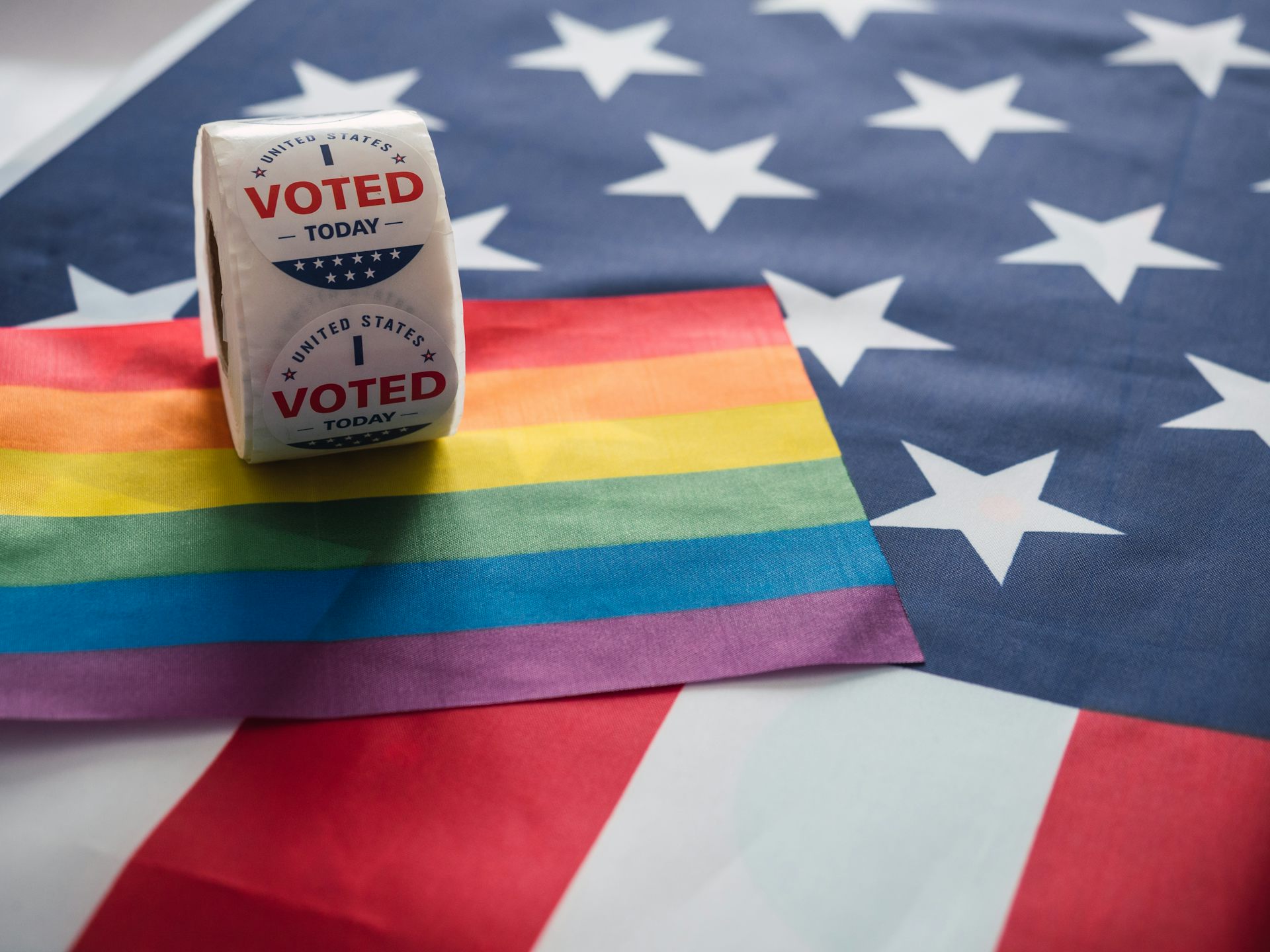
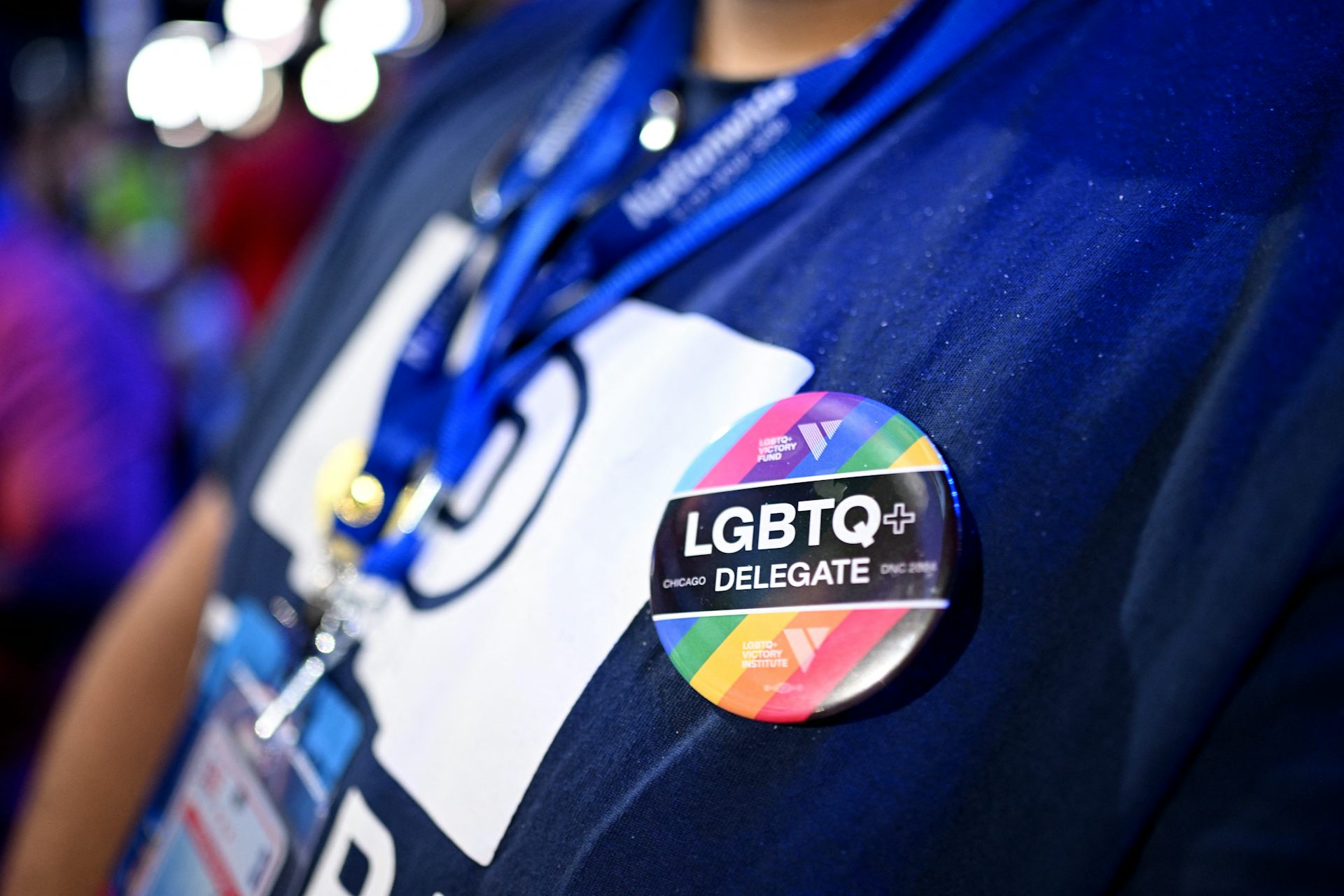


Victory in the 2024 U.S. presidential election may come down to LGBTQ+ voters.
Polling data shows that Donald Trump and Kamala Harris are running in a near-dead heat in four states – Georgia, Michigan, North Carolina and Pennsylvania. And as a scholar of LGBTQ+ politics, I suspect that LGBTQ+ voters could play an outsize role in these states and the race.
So, how might LGBTQ+ voters swing these states?
In the most comprehensive political survey of LGBTQ+ Americans ever conducted, the Pew Research Center found in 2013 that the vast majority of respondents – 85% – “always” or “nearly always” voted, compared with roughly a third of the general population. Turnout in the most recent presidential election validated that finding. A 2020 post-election survey by the advocacy group GLAAD found that 81% of LGBTQ+ voters cast a ballot.
For context, 64% of all eligible voters cast a ballot in the 2020 presidential election, which was unusually high voter participation. Historically, turnout hovers around 55% for presidential elections and 35% for midterm elections.
The National Center for Transgender Equality, an advocacy organization, finds that voter turnout is particularly high among transgender people.
Even in the historically low-turnout 2014 midterm election, the group’s data indicated that roughly half of transgender respondents had voted, compared with only one-third of the general population. In the 2022 midterm election, transgender voter turnout increased to nearly 75%, according to the 2024 U.S. Trans Survey.
LGBTQ+ voters strongly lean Democratic. Pew’s 2013 survey found that nearly 60% of all LGBTQ+ respondents were Democrats, and less than 10% were Republicans. Transgender voters are even more partisan, and nearly 80% identified as Democratic or Democratic-leaning in the 2015 U.S. Trans Survey.
Exit poll data from the 2016 presidential election supports this conclusion. Nearly 80% of LGBTQ+ voters told researchers outside polling stations that they’d cast their ballot for Hillary Clinton. Just 14% reported that they’d backed Trump.
Initial exit poll data from the 2020 presidential election indicated that Trump had doubled his share of LGBTQ+ voters to 28%. Later analyses contradicted that finding, however, showing that LGBTQ+ voters were actually essential to Joe Biden’s victory.
The surprising miscalculation was likely due to COVID-19-related polling errors. Exit poll data from the 2022 midterm election put LGBTQ+ support for Republican congressional candidates back at 14%.
Taken together, past polling data indicates that the LGBTQ+ community will likely back Harris over Trump by strong margins in four of the most likely “tipping-point” states – that is, the swing states with enough electoral votes to tip the entire election for one candidate.
Georgia, Michigan, North Carolina and Pennsylvania all have populations of LGBTQ+ adults that are significantly larger than the margin of victory by which the winning candidate took the state in 2020.
For instance, Biden won Georgia and its 15 electoral votes by 11,779 votes in 2020, and there are over 400,000 LGBTQ+ adults in the state. Trump’s apparent current lead in Georgia is within the margin of error, and even a slight increase in Democratic-leaning LGBTQ+ voters, compared with 2020, could hand Harris the state.
Georgia now has 16 electoral votes following a population increase.
The gap between the two candidates in all four tipping-point states is similarly narrow – 2% or less. That’s well within state polls’ margin of error. Together, these states have a combined 66 electoral votes. That’s nearly double Biden’s Electoral College margin of victory in 2020 and Trump’s margin in 2016.
If higher turnout among LGBTQ+ voters in these four likely tipping-point states could deliver the 2024 race for Harris, then lower LGBTQ+ turnout could pave Trump’s path to victory.
Trump is well within striking distance in the Rust Belt states of Pennsylvania and Michigan, where polling puts him in a statistical dead heat with Harris. With those slim margins that are well within the margin of error, even a moderate decrease in turnout among the states’ many thousands of LGBTQ+ voters could cause serious problems for Harris.
For context, Biden won Pennsylvania and Michigan by 80,555 and 154,188 votes, respectively, in 2020.
Of course, the 2020 and 2024 presidential elections are not carbon copies of each other.
The LGBTQ+ electorate grows each year, and by 2030 1 in 7 voters are expected to identify as LGBTQ+.
Republicans have also ramped up legislative attacks on LGBTQ+ rights since 2020, and GOP campaign ads with anti-transgender messages dominate this election cycle. Both of these factors will play a role in 2024, as will a shake-up in the North Carolina governor’s race.
In September, CNN reported that the Republican nominee for governor of North Carolina, Mark Robinson, had posted controversial comments on a pornographic website between 2008 and 2012. In addition to referring to himself as a “black Nazi,” Robinson said that he enjoyed watching transgender pornography.
For a candidate whose anti-trans rhetoric includes saying transgender women should be arrested for using women’s restrooms, this was shocking news. Robinson has denied the allegation, which has severely damaged his campaign. Two weeks ahead of the election, polling gave Robinson’s Democratic opponent, Josh Stein, a clear lead over Robinson.
Robinson’s troubled past and embattled campaign could mobilize multiple pockets of progressive North Carolinians, including LGBTQ+ voters, against him. Boosted turnout would almost certainly eat into Trump’s vote share in North Carolina – a state he won by 1.3% in 2020.
Historical trends, demographic data and current affairs all point toward LGBTQ+ voters playing an important – and potentially decisive – role in tipping swing states to Harris.
Yet, there are also signs that Harris may underperform with LGBTQ+ voters.
A September 2024 survey by the Human Rights Campaign, a LGBTQ+ advocacy organization, reported that about 20% of LGBTQ+ respondents were undecided, planning to stay home or backing a third party. Less than 8% of LGBTQ+ respondents were leaning toward Trump, but disaffected LGBTQ+ Democrats could cause problems for Harris.
Ultimately, there’s no way to know what LGBTQ+ voters will actually do at the ballot box. This race is in flux, and plenty can happen before election day. Other voting blocs have grown or changed since 2024, too.
The answers will come on election night or – in a race with such narrow margins of victory – in the days and weeks of counting and recounting to follow.
This article is republished from The Conversation, a nonprofit, independent news organization bringing you facts and trustworthy analysis to help you make sense of our complex world. It was written by: Dorian Rhea Debussy, The Ohio State University
Read more:
‘Rainbow wave’ of LGBTQ candidates run and win in 2020 election
Young LGBT Americans are more politically engaged than the rest of Generation Z
LGBTQ rights: Where do Harris and Trump stand?
Dorian Rhea Debussy does not work for, consult, own shares in or receive funding from any company or organization that would benefit from this article, and has disclosed no relevant affiliations beyond their academic appointment.





















































Comments