As contentious judicial 'reform' becomes law in Israel, Netanyahu cements his political legacy
Published in Political News
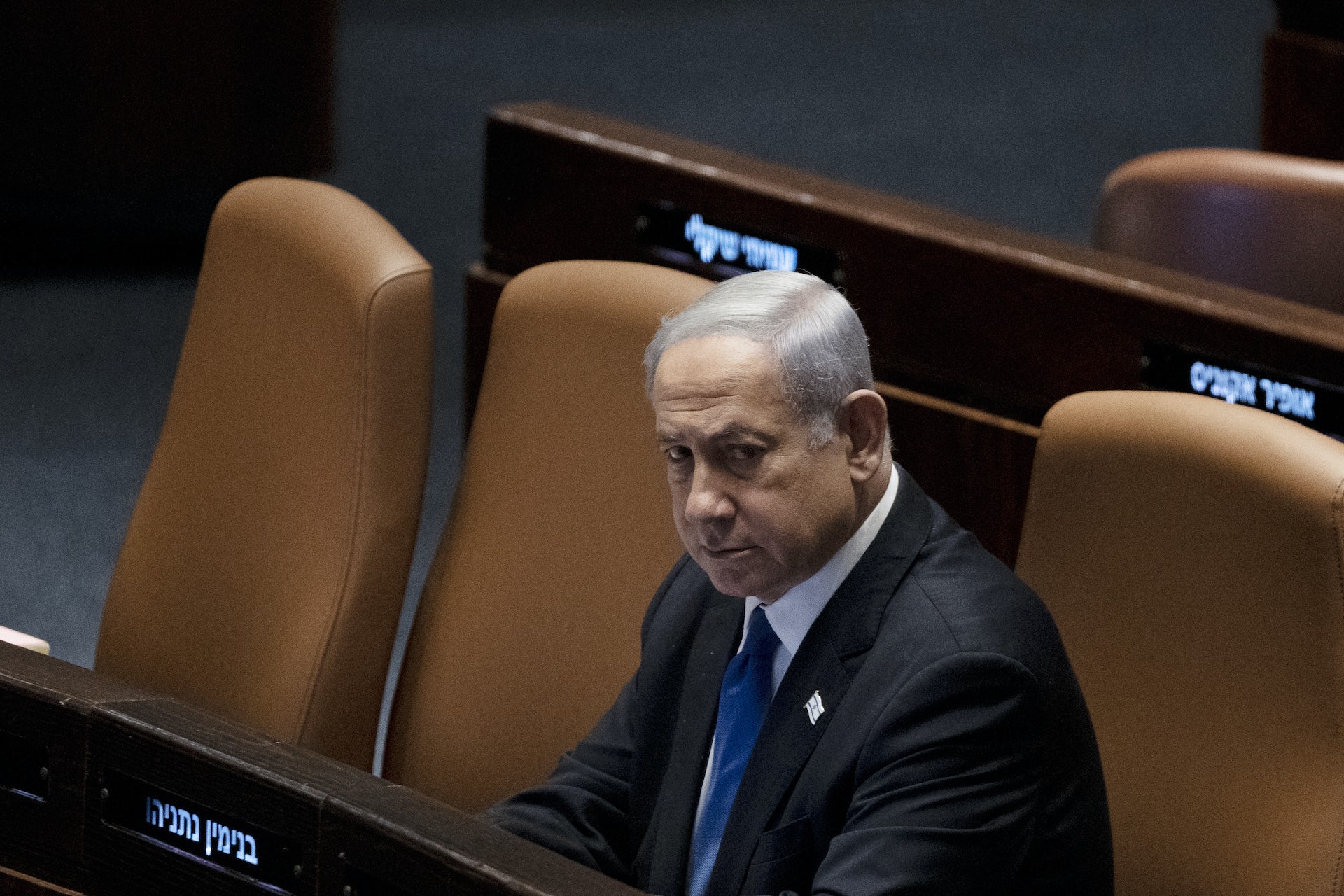



Israel’s parliament passed a law on July 24, 2023, that limits the Supreme Court’s ability to rein in government actions, part of a broader proposal by Prime Minister Benjamin Netanyahu’s government to strengthen the power of the country’s executive branch.
The legislation has divided the country for months, sparking massive demonstrations. Opponents say the law threatens democracy; supporters argue it protects the will of the electoral majority.
Netanyahu has been a political force and survivor in Israeli politics since the 1990s. Yet it makes sense to assess his career now in light of his recent hospitalizations, the latest coming in the middle of the court reform crisis.
As a scholar of Middle Eastern politics, I think that Netanyahu’s long-term legacy will be based on three major developments. He has shifted Israeli politics rightward. He has stymied the emergence of a Palestinian state. He has increased Israel’s links to nondemocratic foreign governments.
Netanyahu served as prime minister from 1996 to 1999. He returned to power from 2009 to 2021, and once again in 2022.
A country once known for left-leaning politics now has a right-wing government dominated by Jewish religious nationalists who spearheaded the efforts to curb judicial checks on executive power.
Netanyahu began his first term as prime minister in 1996 with two main qualities – experience living and working in the U.S. and a record focused on Israeli’s military security.
The first quality meant he understood American politics and interest groups. That helped Israel keep and enhance its historic strong support from the U.S. government.
The second set him up for political success in a country in which the army is a key – and revered – institution.
Massive U.S. foreign aid and military assistance over many years, along with Netanyahu’s political backing, have ensured that Israel’s army is far more powerful and well equipped than the armed forces of any other nearby country.
Netanyahu typically portrayed himself as the only leader who could keep his country and its economy secure. Like other elected strongmen, he and his allies have gained support from, and encouraged, right-wing nationalists and divisive politics.
With Netanyahu, that meant allying himself strongly with Jewish settlers – many of them Orthodox – in the West Bank in what international law considers to be occupied Palestinian territory. Because Orthodox Jewish families tend to be larger than more secular ones, Israel’s demography has favored politicians and voters who skew towards Netanyahu’s consistent support for the settler movement and broader focus on security.
The longer Netanyahu has held power in Israel, the more allegations of corruption and criminal conduct he has faced. His personal legal vulnerability has likely reinforced his autocratic tendencies. Netanyahu’s 2022 government demonstrated its authoritarian tilt with the push for the judicial reform bill that will hobble the Israeli judiciary’s capacity to review legislation and government action.
This reform appeals to important sectors of Netanyahu’s supporters who see the Supreme Court’s power as an inappropriate secular check on Israel’s increasingly pro-settler and pro-Orthodox government. But it has been divisive: The mass protests against the reform have even spread to prominent military personnel.
Today’s Israel is marked by growing splits between secular, urbanized citizens near the Mediterranean coast and Orthodox and other settlers in or near the West Bank. The two groups have different visions for Israel’s future, with the latter citizens pushing the country in a more theocratic direction. This divisive battle over Israel’s nature owes a great deal to Benjamin Netanyahu’s leadership.
Netanyahu has long pledged to avoid compromising with Palestinians over control of territory and security in the West Bank and Gaza, areas under Israeli military control since 1967. And he allowed rapid expansion of Jewish settlements in the West Bank. He has rarely wavered from these two policies.
Among his most tangible legacies is the physical barrier now separating West Bank Palestinians from Israelis, which gives Israeli authorities great control over how West Bank Palestinians enter Israel.
The barrier has kept Israeli Jews from much contact with Palestinians other than during military service.
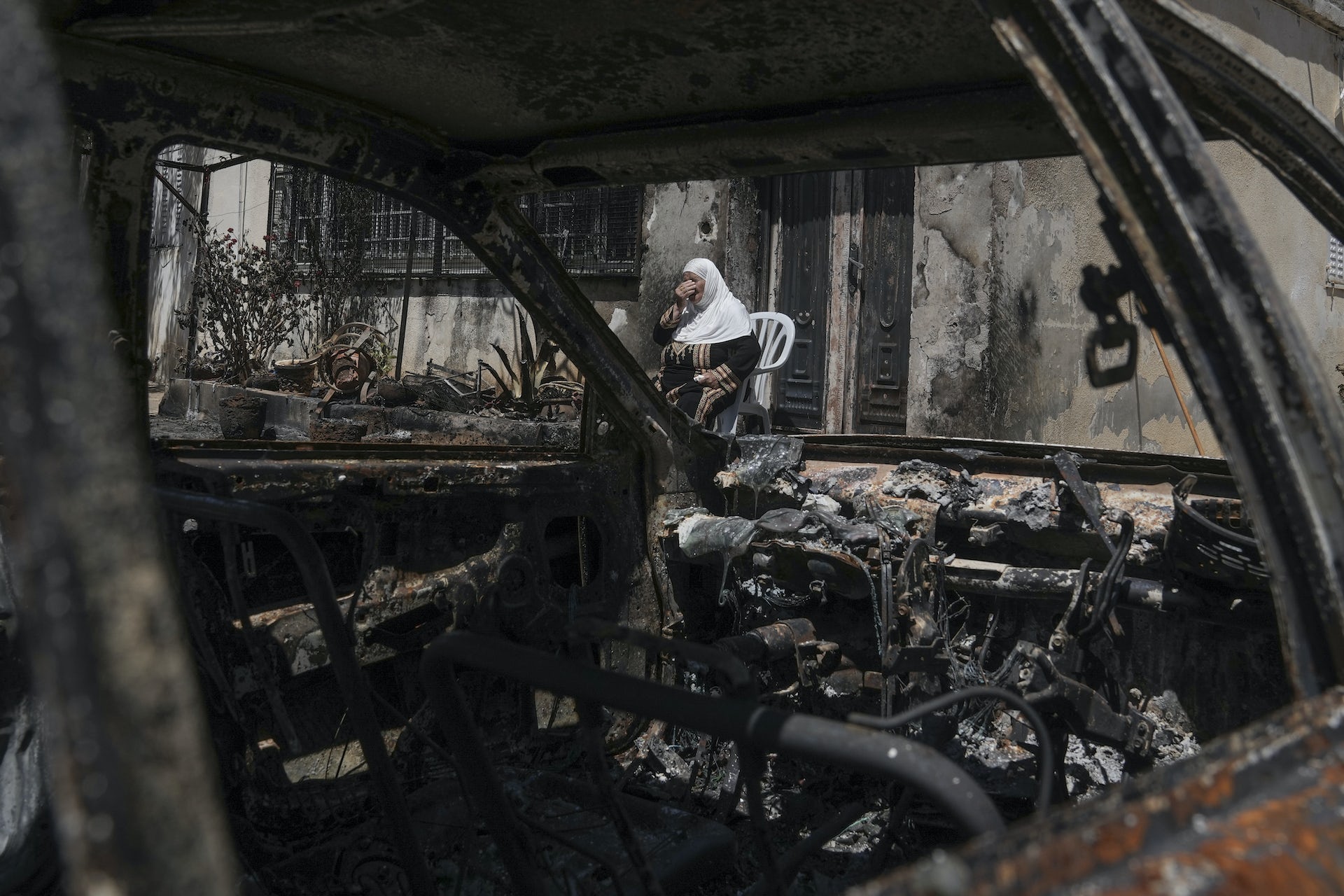
This physical separation and a strong Israeli military presence have decreased Palestinian attacks within Israel and increased misery in Palestinian-controlled areas, for example, by making travel into Israel and other countries difficult.
Netanyahu’s approach has minimized pressure on Jewish Israelis to make a final deal that would trade occupied land for a broader peace based on separate Israeli and Palestinian states. It has also deprived Palestinians of some basic liberties and opportunities, particularly in Gaza, which human rights activists have called an “open-air prison.”
In fact, Netanyahu has used his formidable military to strike hard when he deems necessary in Gaza, the area between Israel and Egypt that Israel unilaterally returned to Palestinian control in 2004. Hamas, a Palestinian group that advocates military action against Israel, is in charge of Gaza.
Reflecting the sentiments of his right-wing base, Netanyahu has had a generally consistent response to Hamas, and Palestinians more generally. Israel, he says, awaits Palestinian consensus that Israel is a Jewish state, with Jerusalem as its capital, and with no right for Palestinians to return to their pre-1948 homes in Israel.
Many Palestinians find these conditions unfair, particularly as a precondition to negotiations.
Coupled with the Netanyahu government’s vast expansion of Jewish settlements, many veteran observers doubt that a two-state solution with Israeli and Palestinian states remains possible.
Bolstering the Israeli right and undermining Palestinian statehood have accompanied efforts by Netanyahu to reshape Israel’s foreign relations. Those efforts stem in part from his relentless drive to curb Iran’s influence in the Middle East.
Tehran’s leaders are unremittingly hostile toward Israel. Netanyahu has played up this hostility to domestic and international audiences, even urging the U.S. to attack Iran.
The prime minister’s anti-Iranian campaign connects to strengthening ties to other countries, whether or not they are democratic, with an interest in combating Tehran and its funding of pro-Iranian militant groups, which encourage anti-Israeli politics and attacks in many Arab countries. Shared security goals, perhaps more than anything else, explain the significant willingness of the United Arab Emirates and several other Arab countries to establish diplomatic ties with Israel through the Abraham Accords of 2020.
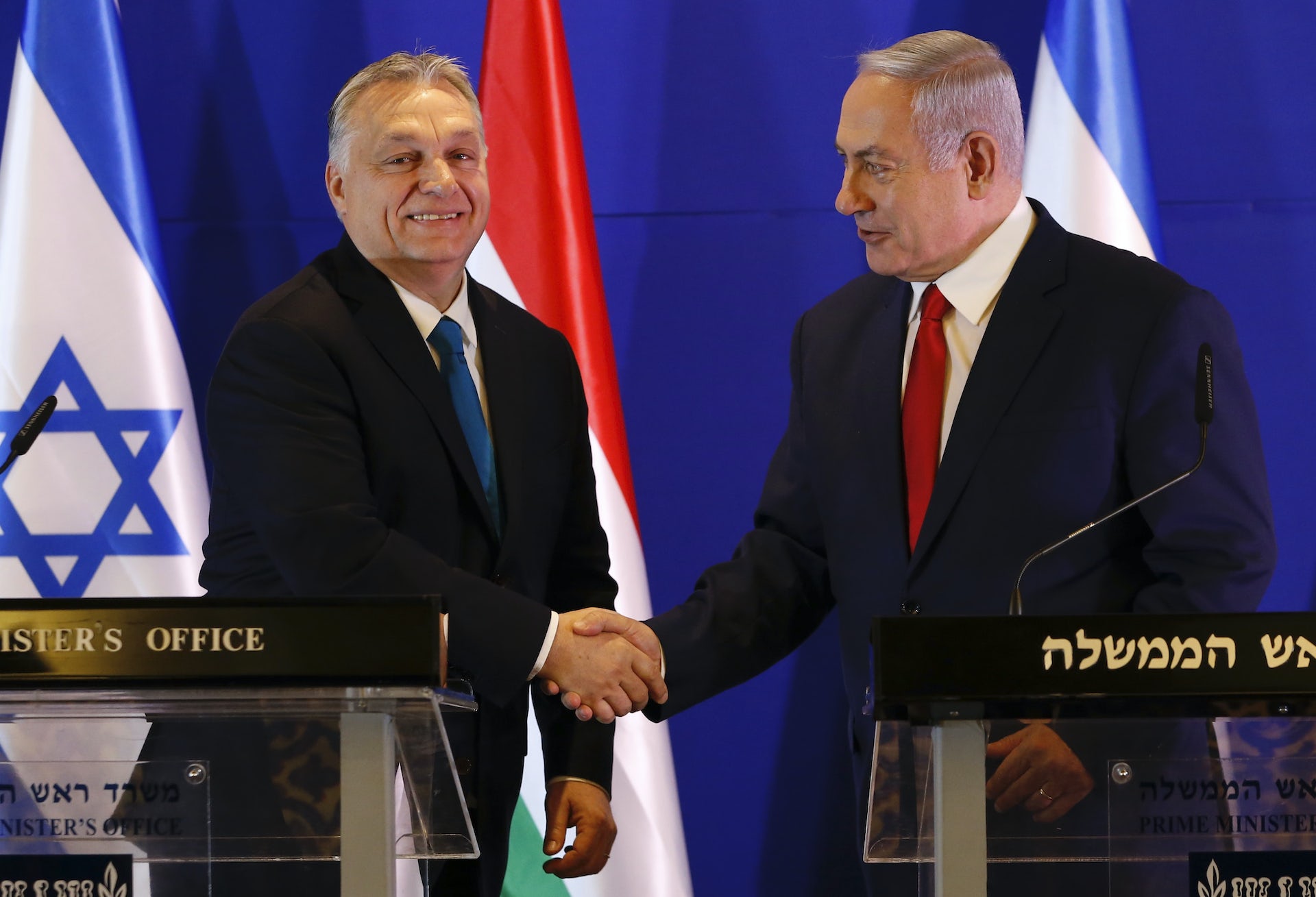
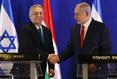
More generally, Netanyahu’s long time in office and his willingness to fan racist flames have endeared him to other rulers who embrace authoritarian or divisive tactics, such as Russian leader Vladimir Putin, Hungarian Prime Minister Viktor Orbán and former U.S. President Donald Trump.
Yet Netanyahu’s policies are also causing major cracks in support for Israel from its central ally, the U.S. In recent years, Israeli and American Jews have diverged increasingly on the ethics and importance of Palestinian autonomy. In turn, organizations working with the Israeli government have tried to silence pro-Palestinian voices in the U.S., often by calling them anti-Semitic.
Moreover, Netanyahu’s authoritarian tendencies and his government’s rightist and theocratic tendencies have amplified American voices of those who have been skeptical that Israel is democratic and who have called for reductions in U.S. support.
Netanyahu has helped reshape Israel and the broader world in profound ways. It’s clear that the country’s military security and cooperation with major Arab states in the Middle East have expanded. But I see the darker side of the prime minister’s emphasis on military and security solutions in the erosion of hopes for Palestinians and challenges for Israel to remain democratic.
This story contains passages from an earlier story published on June 14, 2021.
This article is republished from The Conversation, an independent nonprofit news site dedicated to sharing ideas from academic experts. The Conversation has a variety of fascinating free newsletters.
Read more:
What’s at stake as protests rock Israel: 3 essential reads on democracy, security and human rights
Israel’s military reservists are joining protests – potentially transforming a political crisis into a security crisis
David Mednicoff does not work for, consult, own shares in or receive funding from any company or organization that would benefit from this article, and has disclosed no relevant affiliations beyond their academic appointment.





















































Comments