I asked immigrants from 28 countries why they're serving in the US military -- and it's not primarily to gain citizenship
Published in Political News
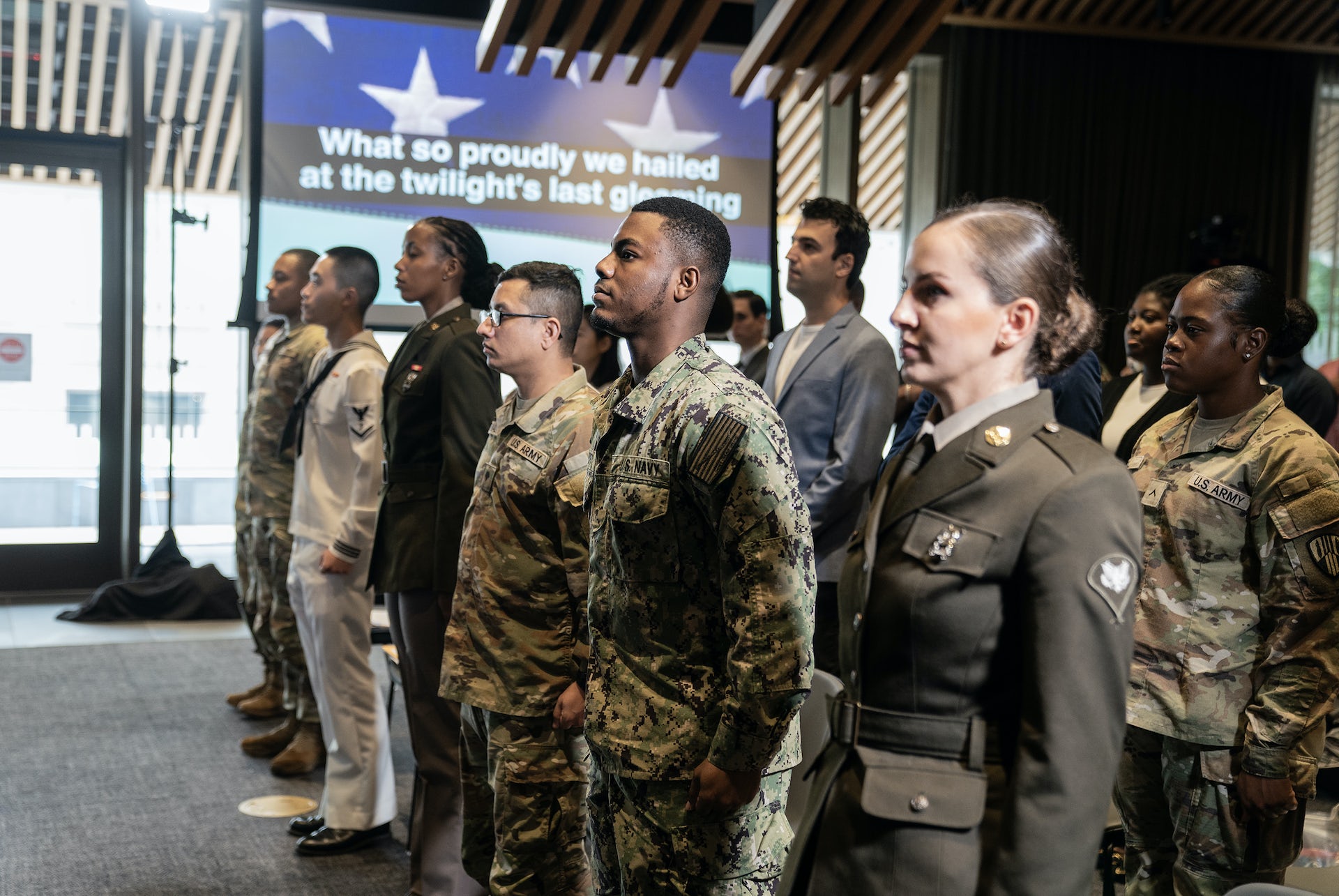
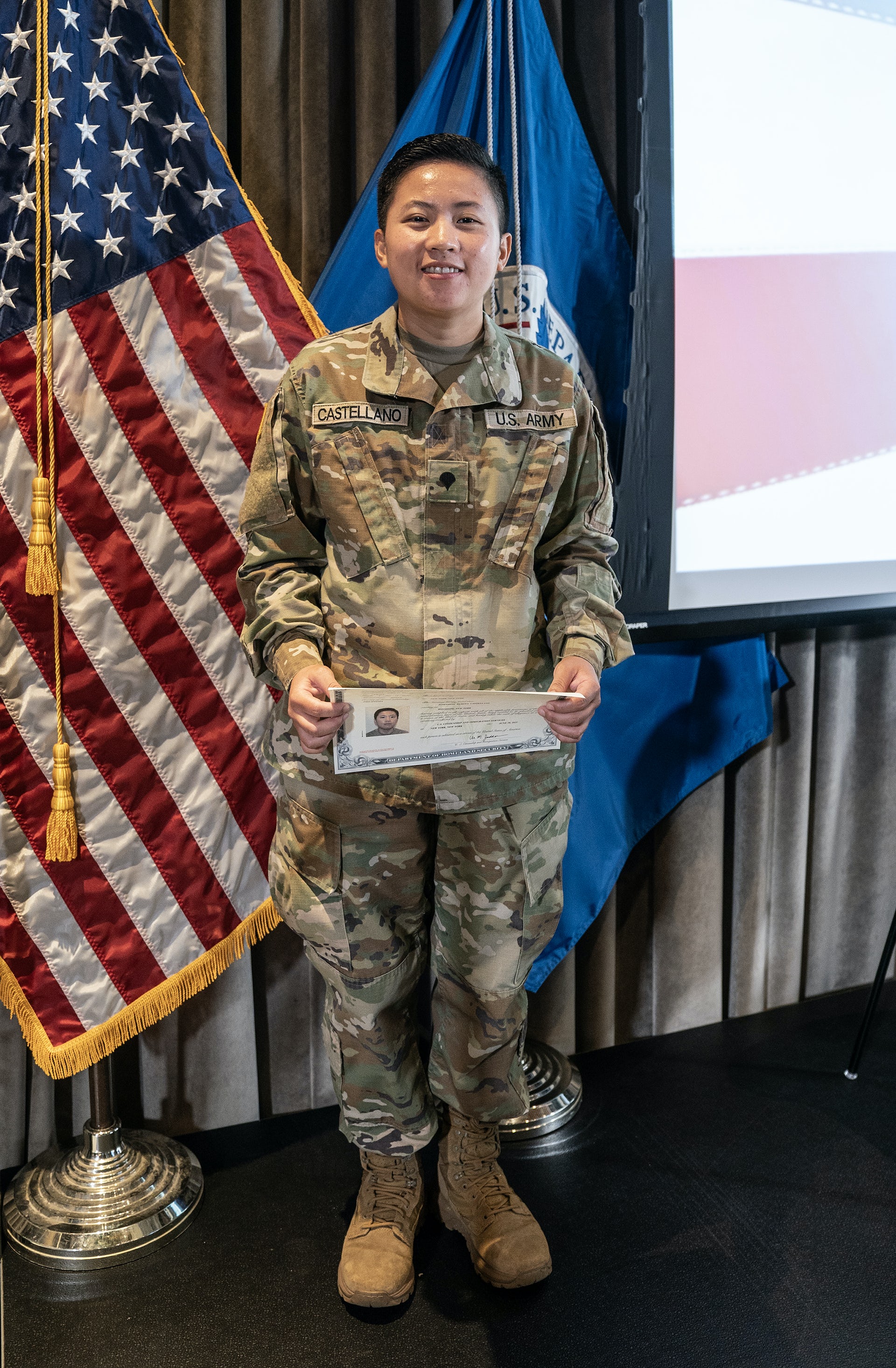
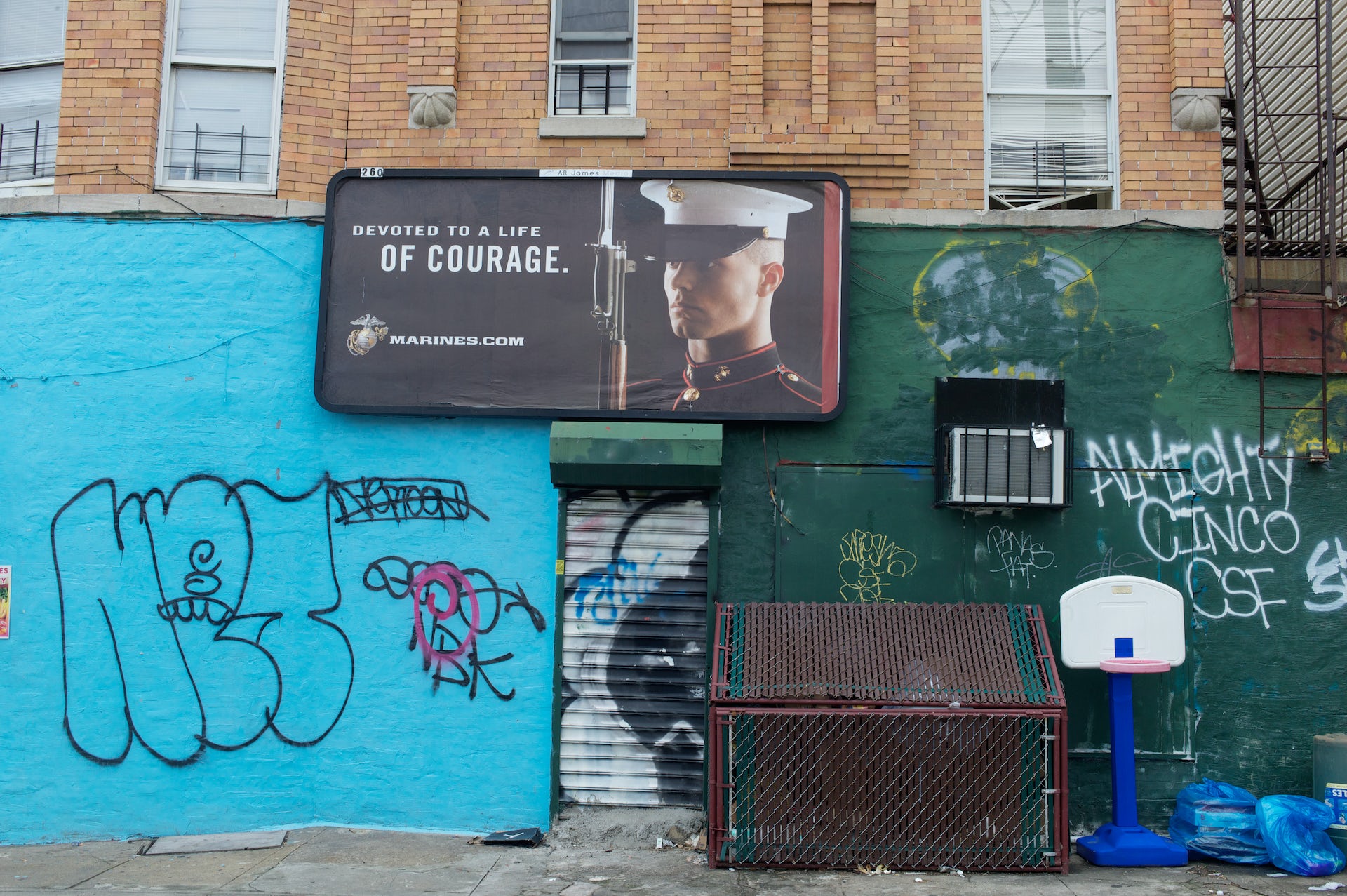
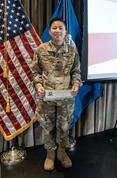

As the U.S. military struggles through the worst recruitment crisis in 25 years, it has redoubled efforts to recruit from immigrant communities. Immigrants who are U.S. citizens or lawful permanent residents are eligible to join the armed forces – and have done so since the beginning of U.S. history.
Service in the military means an expedited path to U.S. citizenship, and many assume that the desire to get U.S. citizenship is what pushes immigrants to enlist. I interviewed 72 noncitizens from 28 countries who enlisted in the U.S. military for my book, “Green Card Soldier: Between Model Immigrant and Security Threat.”
I learned that the fast track to citizenship is not as important in explaining immigrant enlistments as economic factors like poverty and debt, and cultural factors, such as valuing warrior masculinity and legitimization of war.
The U.S. military has not had a draft since 1973 and instead has relied on marketing and recruiters to attract people into its ranks.
Lack of a high school diploma or GED, low scores on military entrance tests and failure to meet physical and medical requirements disqualify most youths in the U.S. from enlistment. Along with college aspirations and living in an area with military presence, lower socioeconomic status is positively associated with enlistment. That youths from poorer backgrounds are more likely to join the military has been termed the “poverty draft” by critics of military recruitment.
Young Americans who want to go to college are attracted to the educational benefits of military service. Those with no plans to attend college see the military as a steady, nonstigmatized job with benefits.
Immigrants, too, are subject to this poverty draft.
This is not surprising given that earnings of immigrants are on average lower than those of the U.S.-born workers.
The criminalization of immigrants can also play a role. For example, I interviewed a veteran who had enlisted in large part for the US$10,000 signing bonus after her family was financially devastated by a legal fight to stop the deportation of her brother.
The military is highly valued in American society.
This is evident in U.S. movies like “Top Gun: Maverick,” video games and even sporting events. A crucial element of this culture of militarism is militarized masculinity, the idea that military labor is a way of embodying a superior and unassailable type of masculinity.
In my research, I found that many immigrants reported that warrior masculinity was a key element in attracting them to the U.S. military. Whether or not they grew up in the United States, immigrants were drawn to the U.S. military as children because of American movies and video games.
The enlistment of women has done little to disturb the hierarchical culture of masculinity in the U.S. military, as women’s and gender studies scholar Cynthia Enloe has shown.
While some immigrant women I interviewed remembered worrying about coping with male-dominated cultures, others enlisted to get an opportunity to prove themselves alongside men.
Immigrants who serve in the U.S. military go through the same naturalization process as civilians but are eligible to apply sooner. But I found that naturalization was rarely a major reason they gave for enlisting, and many immigrants said that they did not think much about citizenship when they joined the military.
The exception was immigrants who enlisted through a special and now-discontinued program for temporary visa holders, who otherwise faced decades of waiting for a chance to become citizens.
But citizenship mattered in the broader sense.
For some immigrants, military service could be a tool for gaining a sense of belonging unavailable through citizenship papers alone. This is how the military gave Michael, a Kenyan immigrant, access to belonging:
“If I go to a store in uniform, people don’t see that I’m a Black man or I’m from Africa. Or I have an accent. People see a U.S. Army soldier and then you get treated differently. People just see you as a human being. And my thing is like, ‘Why don’t people just see me as that without the uniform?’ With the uniform I feel like, ‘Wow. I belong.‘”
Immigrants can and do feel love for country even though they were born elsewhere.
Some of the immigrants I interviewed said they enlisted out of patriotism. Others said they felt that military service was a way of paying back the United States. I also spoke to immigrants who expressed reservations about becoming U.S. citizens because they were reluctant to give up their other citizenship.
In the end, fast-tracked citizenship will continue to play a role in immigrant enlistment.
But my research indicates that this special incentive overshadows the commonalities between immigrants and U.S.-born people: They enlist because of economic insecurity and cultural norms that value masculinity grounded in war and violence.
This article is republished from The Conversation, an independent nonprofit news site dedicated to sharing ideas from academic experts. Like this article? Subscribe to our weekly newsletter.
Read more:
Army recruitment: video game campaign raises big questions about targeting children
How the US military used magazines to target ‘vulnerable’ groups with recruiting ads
Sofya Aptekar received funding from the Russell Sage Foundation and W.T. Grant Foundation.



















































Comments