Harry Belafonte leveraged stardom for social change, his powerful voice always singing a song for justice
Published in Political News
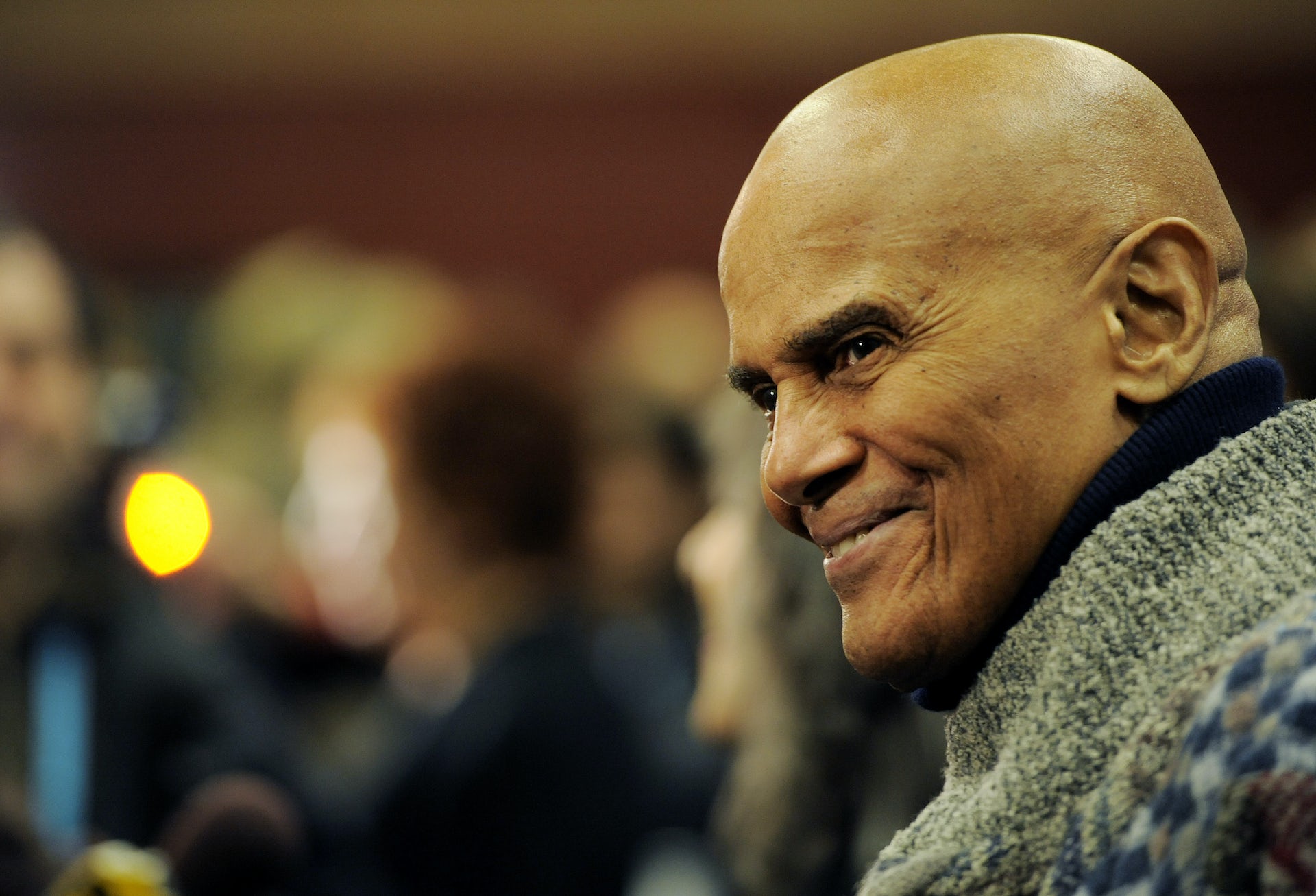
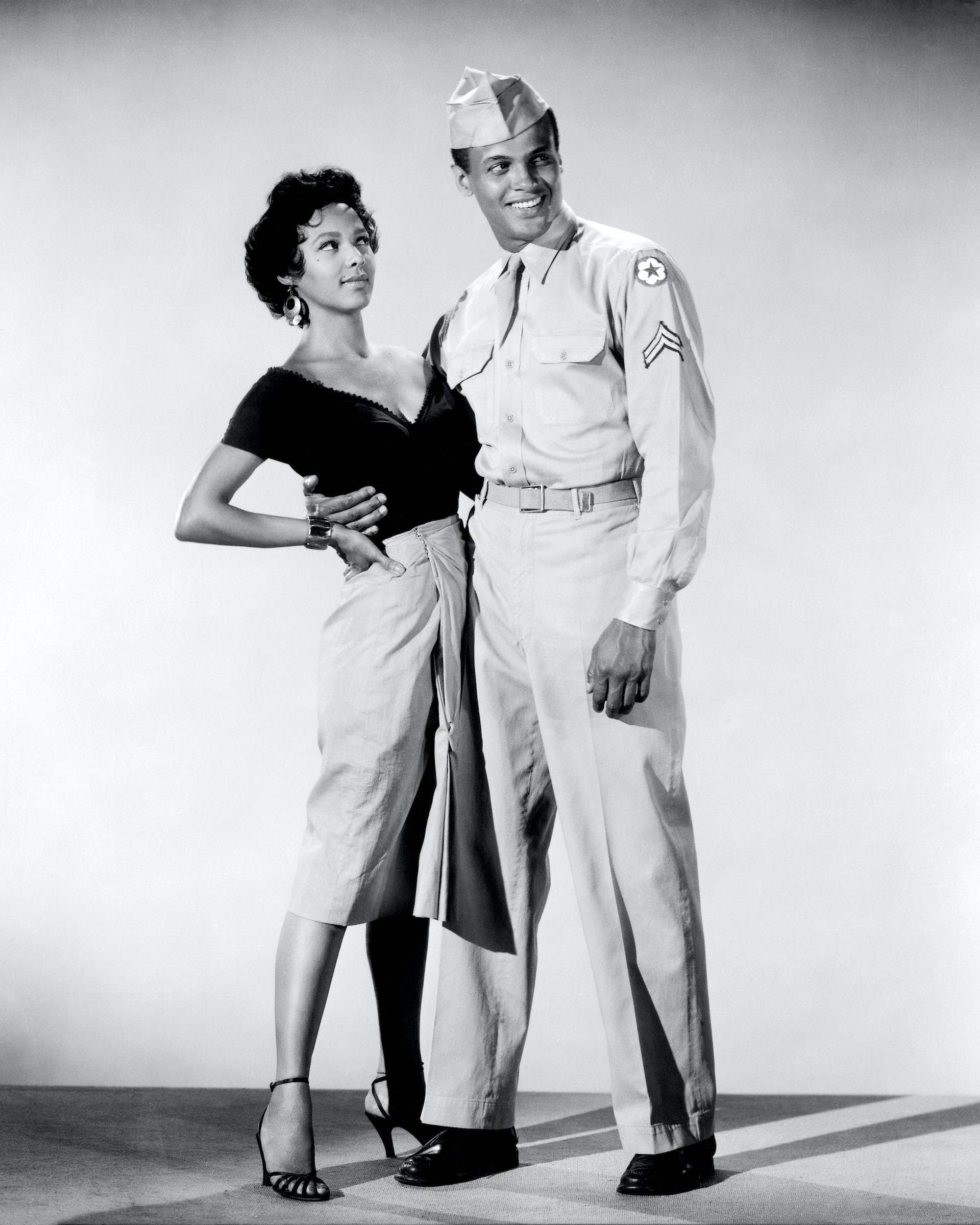
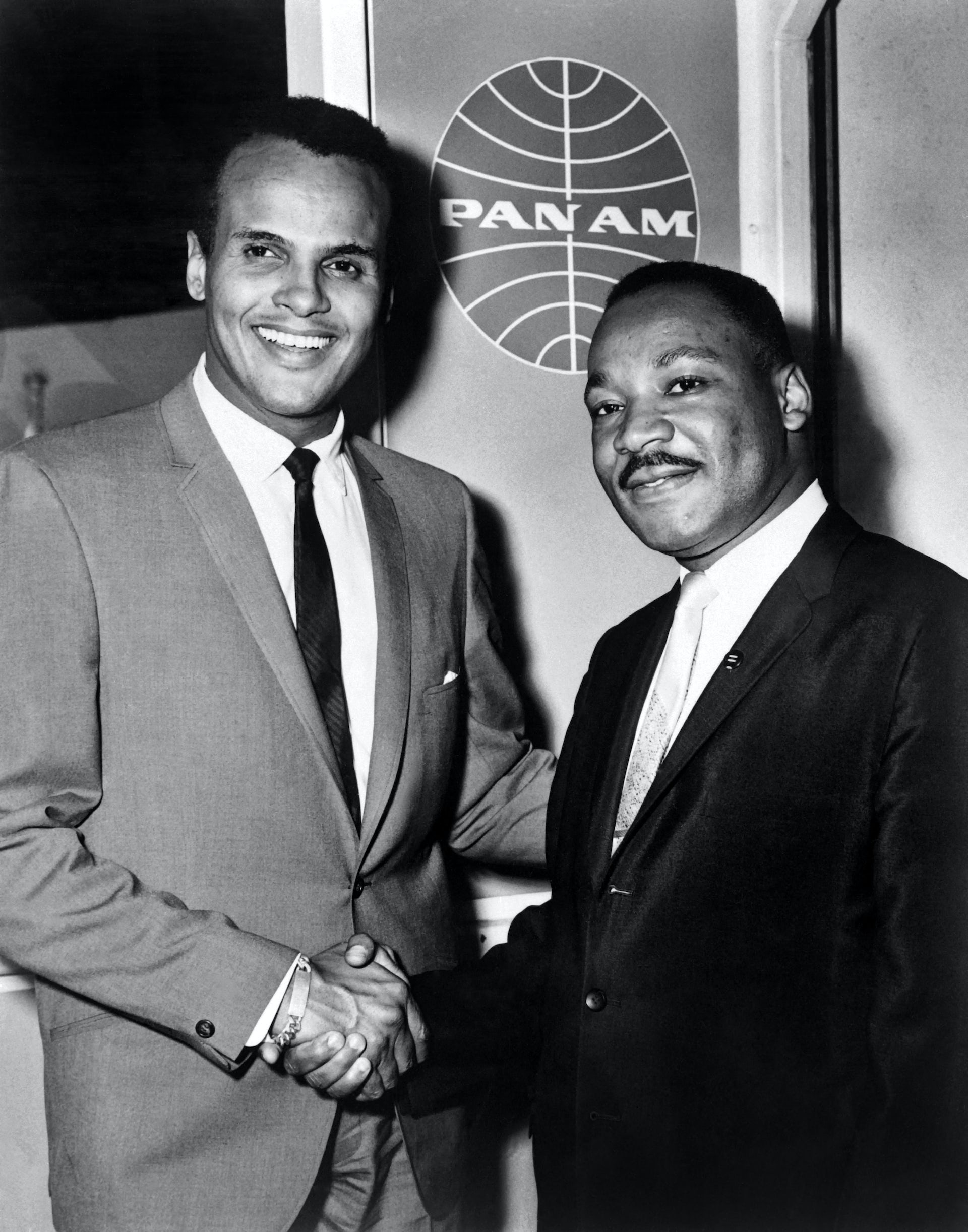
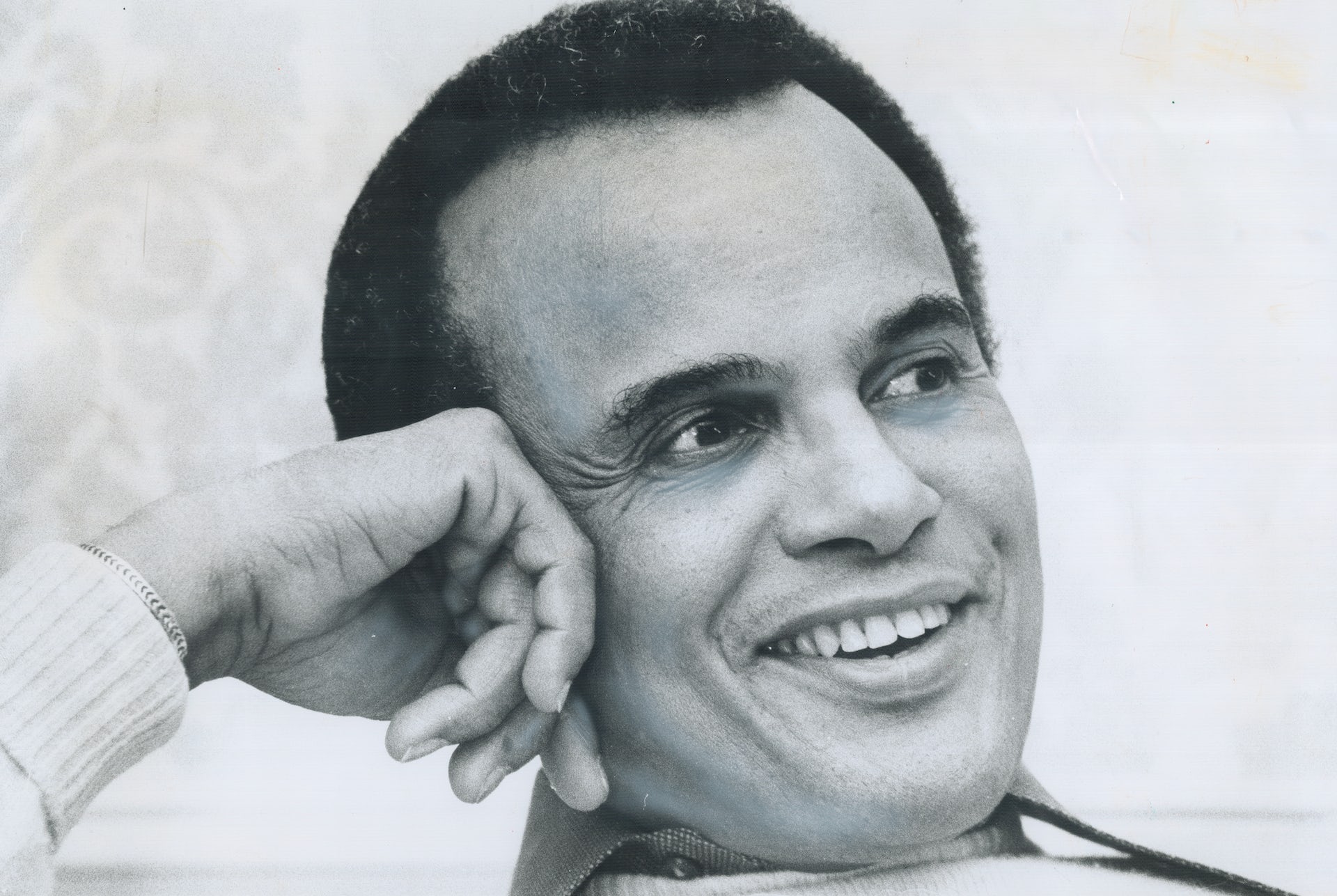

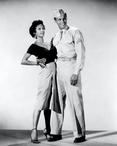
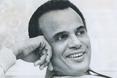
In May 1963, as civil rights demonstrations rocked the city of Birmingham, Alabama, Harry Belafonte was at a cocktail party in Manhattan, scolding the then-Attorney General of the United States.
“You may think you’re doing enough,” he recalled telling Robert F. Kennedy, “but you don’t live with us, you don’t even visit our pain.”
Belafonte had many frank and heated conversations with Bobby Kennedy. In fact, the singer, actor and activist was on intimate terms with many pivotal figures of the civil rights era.
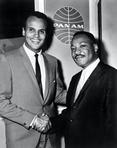
He was a confidant and adviser to Martin Luther King and allied with Ahmed Sékou Touré, the president of Guinea. He funded the grassroots activists of the Student Nonviolent Coordinating Committee (SNCC) as they battled Jim Crow and brought a delegation of Hollywood stars to the March on Washington. Along with his best friend and sometimes-rival, actor Sidney Poitier, Belafonte delivered funds to civil rights volunteers in Greenwood, Mississippi, while the Ku Klux Klan watched their every move.
Belafonte, who died on April 25, 2023, at the age of 96, was a unique figure in the history of the Black freedom struggle in the U.S. No other entertainer immersed themselves so deeply in the civil rights movement; no other activist occupied a niche at so many levels of American politics. If he was a powerful voice for justice, it was because he leveraged his celebrity.
On stage, he was something to behold, a beacon of charisma. Clad in body-hugging shirts with his chest bare, drawing his audience’s eyes to the looping metal rings at the belt of his tight silk pants, he oozed with seduction. Women swooned.
And he was wildly successful. In 1957, Belafonte sold more records than Frank Sinatra and Elvis Presley. His repertoire resembled neither Sinatra’s classic pop nor Presley’s up-and-coming rock and roll.
The son of West Indian/Carribean immigrants, he inspired a short-lived craze for calypso music thanks to hits such as “Day O” and “Jamaica Farewell,” and he adapted ethnic folk music for popular consumption – his mainstays included “Hava Nagila,” the Jewish celebration song.
He also starred in Hollywood films such as “Bright Road” (1953) and “Carmen Jones” (1955). “Island in the Sun,” released in 1957, caused a furor. Though he never kisses his white co-star, Joan Fontaine, on screen, the film explores the theme of interracial romance. The southern censors banned it.
Belafonte danced around the taboos of race and sex. This exceptionally handsome Black man was charming primarily white audiences, though his light skin color and facial features softened that threat. As a performer, he nudged at racial boundaries without jabbing through them.
“Harry Belafonte stands at the peak of one of the remarkable careers in U.S, entertainment,” proclaimed Time Magazine in a 1959 cover feature. He had come a long way from a childhood split between Harlem and Jamaica, from stints in the Navy and as a struggling actor. By then, he was earning about US$750,000 a year, with a lucrative residency at the Riviera Hotel in Las Vegas.
That stardom connected Belafonte to Martin Luther King, Jr.
The civil rights leader called him in 1956 during the Montgomery Bus Boycott. Soon Belafonte was part of the movement itself. Following King, he embraced nonviolence. As their friendship strengthened, Belafonte realized the crosses that King bore: the burden of leadership, the fear of death.
Belafonte bought a 21-room apartment on West End Avenue in Manhattan. “Martin would come to think of it as his home away from home, staying with us on many of his New York trips,” he recalled in his memoir, “My Song.”
“On occasion, he brought with him two or three of his closest advisers, and by the mid-sixties, the apartment was one of the movement’s headquarters.” It was a place to both plan strategy and blow off steam, laughing at stories and sipping Harveys Bristol Cream.
Ironically, for such a public figure, much of Belafonte’s work was in private.
In the 1960s, he served as an essential link between King and SNCC. He not only bankrolled the young militant activists, but also listened to their concerns, respected their organizing efforts and communicated their perspectives to influential power brokers.
That responsibility to speak for the movement led Belafonte to chide Bobby Kennedy in May 1963. Throughout the early 1960s, he expressed frustration with the Attorney General’s detachment from the activists’ struggle. But over time, he came to appreciate Kennedy’s evolution, as he became a U.S. senator and emerged as a voice for the poor, for racial minorities, for “The Other America.”
Famously, in February 1968, Belafonte hosted “The Tonight Show” for a week, using his platform to illuminate Black perspectives and spotlight social injustice. His guests included King, who was about to launch his Poor People’s Campaign, and Kennedy, whom Belafonte urged to start a presidential campaign.
Within months, both men were assassinated.
For more than a half-century, Belafonte carried on the legacy of the 1960s, often taking provocative positions from the far-left edge of the political spectrum. Like few others, he blended the worlds of culture and politics, singing a song of justice.
This article is republished from The Conversation, an independent nonprofit news site dedicated to sharing ideas from academic experts. The Conversation has a variety of fascinating free newsletters.
Read more:
Sidney Poitier – Hollywood’s first Black leading man reflected the civil rights movement on screen
MLK’s vision of love as a moral imperative still matters
Aram Goudsouzian does not work for, consult, own shares in or receive funding from any company or organization that would benefit from this article, and has disclosed no relevant affiliations beyond their academic appointment.



















































Comments