Trump's unprecedented call for protests is the latest sign of his aim to degrade America's institutions
Published in Political News
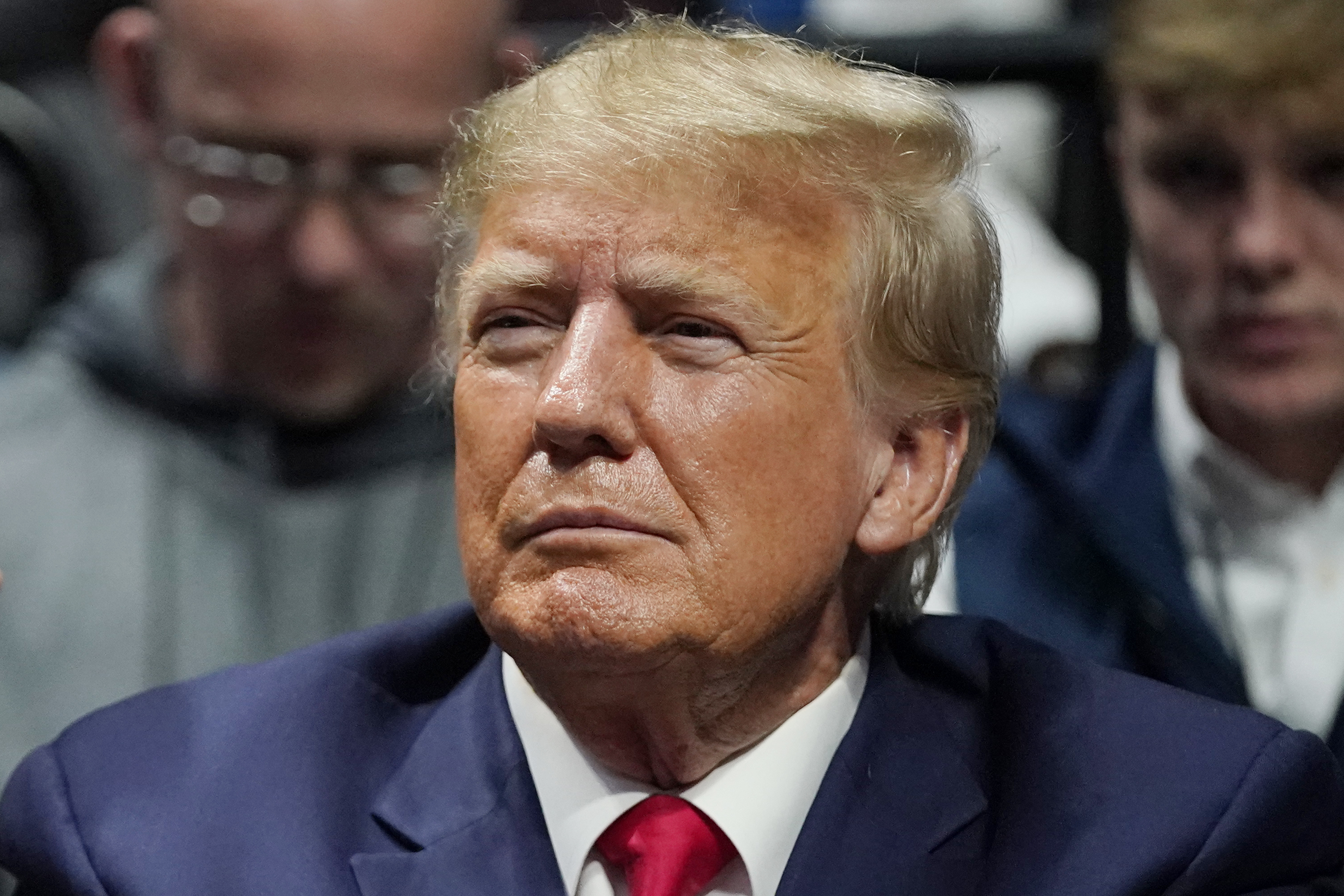
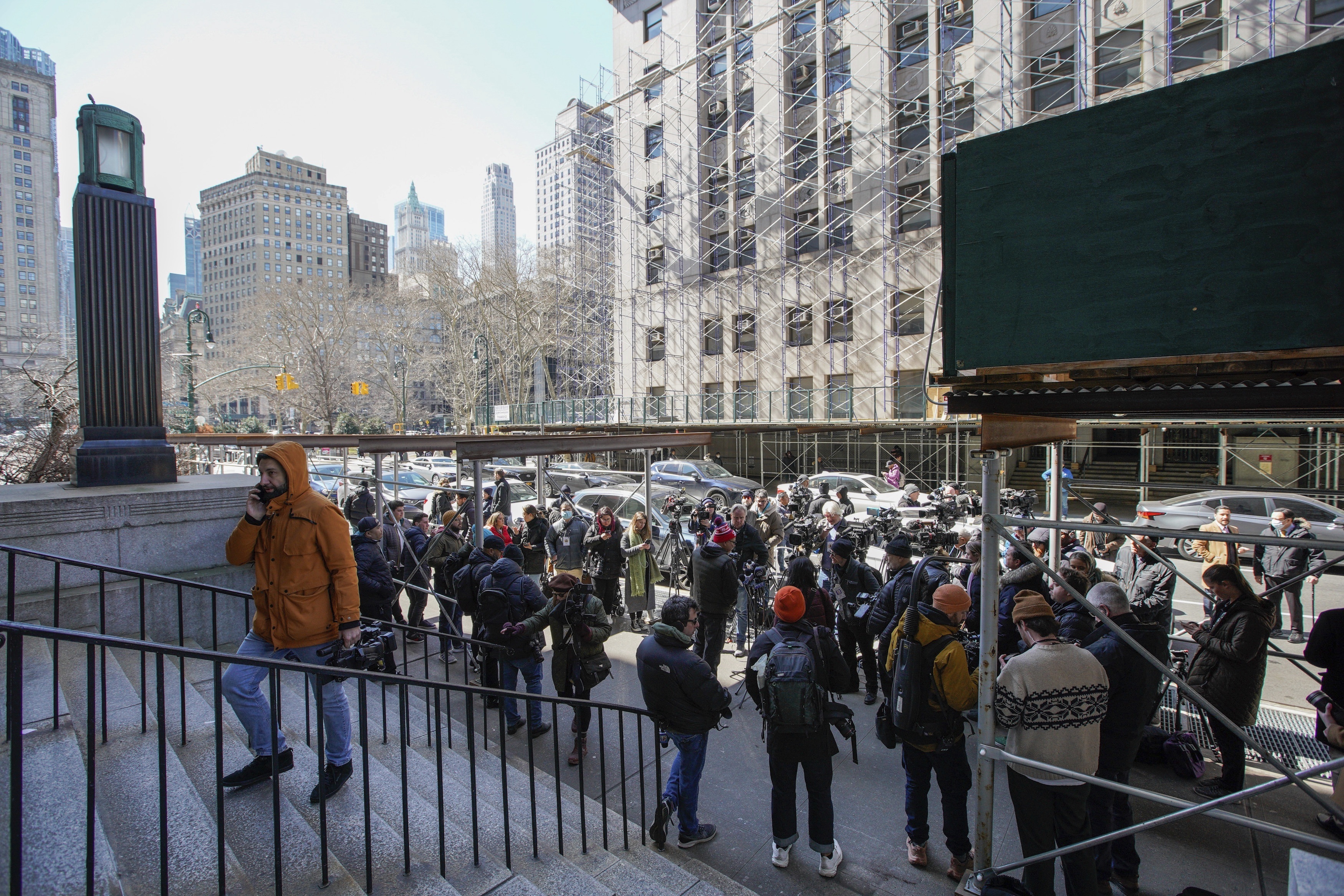
In a social media post on March 18, 2023, former President Donald Trump announced that he would be arrested on March 21 on charges stemming from an investigation led by Manhattan District Attorney Alvin Bragg. Bragg’s office is probing hush-money payments to Stormy Daniels, an adult film star, which were allegedly made to spare candidate Trump embarrassment on the eve of the 2016 presidential election.
“THE FAR & AWAY LEADING REPUBLICAN CANDIDATE AND FORMER PRESIDENT OF THE UNITED STATES OF AMERICA, WILL BE ARRESTED ON TUESDAY OF NEXT WEEK. PROTEST, TAKE OUR NATION BACK!” wrote Trump.
Scholar Shelley Inglis spent more than 15 years with the United Nations, where she advised governments and democracy advocates on how to strengthen the rule of law, human rights and democratic governance. We asked her about Trump’s post.
Let me begin by quickly describing populism, because it’s important to my thoughts about Trump’s post. Populist movements portray “the people in a moral battle against elites,” as scholars Jane Mansbridge and Stephen Macedo describe it. Some level of populism is inherent in democracies where candidates appeal to be elected by “the people.”
But what I call autocratic populists use this narrative to claim they are the sole voice of “the people” and those against them are “bad” or even “evil.” They undermine any and all opposition to them and attempts to hold them accountable, including independent institutions like courts, elections and the media. This is how such populists become so dangerous for democracy and the rule of law.
Trump has that autocrat’s populism, in which he says that not only is he anti-elite but that he is “the only one” who can represent the people and calls on the public to question legitimate democratic institutions – which he did even when he was the head of those institutions.
Scholars like me know that protests play an important role in societies, and the freedom to protest is part of a democratic society. The idea of peaceful protests is to hold the government accountable and for people to have an avenue for free speech and be able to participate in demonstrating their demands. But I believe protests are most valuable when they originate from civil society or advocacy groups.
It’s really a red flag if a political party or leader is using people in protest in a democracy like the U.S. That devalues the idea that protests come from the people or what we call civil society. Instead, it’s a manipulation of a democratic society.
He was asking for a protest on his behalf because of what an independent institution is doing. It’s a protest about and for him.
It’s hard for me to think of an example in recent history when political leaders in a democracy like the U.S. demanded that people protest, even on an issue, let alone for them. So Trump’s call is a real populist move that is intended actually to undermine respect for democratic institutions, whereas popular protests and advocacy can be a sign of a vibrant and healthy democracy.
Demonizing the institution and alleging that the institutions are controlled by an agenda is part of the narrative that Trump has created. It is the populism of “us” versus “them.” Even when he was the head of the government and its institutions, he was fomenting this narrative by effectively saying things like, “This election is going to be unfair … even though I’m president of the United States. I’m already saying that this election, run by my own government, though at multiple levels, is going to be unfair.”
Once populists get in power, they degrade any kind of accountability, any checks and balances, and they debase the opposition through very clever ways of creating a narrative that it’s somehow justified.
He’s continued with that narrative, which is basically to say he’s the only one who represents the people of the United States as a legitimate voice. And anything that is done against him actually is against the United States. So his phrase in that post, “Take our country back,” means “Give back power to me, or do something against institutions that might be holding me to account.”
For me, it is important for people to appreciate that protest is productive and healthy for democracy when it comes from the bottom up. But when it’s manipulated by political actors, calling on people to protest for them and seek to overturn U.S. institutions, like on Jan. 6, it can actually be highly threatening to democracy.
This article is republished from The Conversation, an independent nonprofit news site dedicated to sharing ideas from academic experts. Like this article? Subscribe to our weekly newsletter.
Read more:
President Trump’s use of the authoritarian playbook will have lasting consequences
Populism erupts when people feel disconnected and disrespected
Shelley Inglis works for the University of Dayton Human Rights Center which receives funding from the U.S. Department of Homeland Security under the Targeted Violence and Terrorism Prevention (TVTP) Grant Program.
















































Comments