Editorial: Trump's pivot from Iran to fraud signals a political strategy
Published in Op Eds
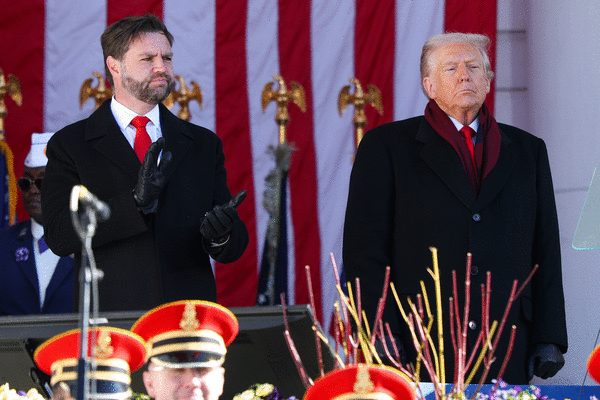
President Donald Trump’s order that Vice President JD Vance turn away from Iran negotiations and focus on alleged crime and corruption in Democratic-led cities is more than a change in assignments. It is an effort to change the subject and to put a familiar political fight back at the center of the national conversation.
The timing is revealing. After Republicans suffered major losses in the midterm elections, Vance said the Iran war and its economic consequences contributed to the defeat. He argued that voters deserved an honest accounting of the cost. Trump’s response was to pull him from the diplomatic role and direct him toward an issue that has long energized the Republican base: crime and alleged fraud in Democratic-governed communities.
That move serves several purposes. It allows Trump to declare that negotiations with Iran are no longer necessary, even as the conflict’s long-term consequences remain unsettled. It shifts attention from the war, its costs and the administration’s responsibility for it. And it gives Vance a new assignment that can be presented as practical action against waste and lawlessness.
There is also a message inside the White House. Vance had spoken unusually plainly about the political damage caused by the war. Trump’s directive narrows his public role and places him on a subject that better fits the president’s preferred campaign themes. Whether intended as discipline or simply a strategic reassignment, it makes clear that the administration wants its vice president speaking less about the war’s political cost and more about Democratic failures.
The anti-fraud mission itself should not be dismissed. Public money must be protected, crimes must be investigated and fraud should be prosecuted wherever it occurs. But an effort aimed mainly at Democratic cities risks turning a legitimate responsibility into a partisan spectacle. Accusations are not findings. Vance should identify specific evidence, explain what agencies are doing and report results in a way that can withstand scrutiny.
The Iran question cannot be settled by declaring that a deal is unnecessary. Trump says the United States has achieved its aims, but ending negotiations does not erase the consequences of a prolonged conflict or resolve the questions that made diplomacy necessary. Voters who were concerned about the war deserve an account of its costs, objectives and lasting risks.
Trump may believe the country is ready to move on. His instruction to Vance suggests he knows that domestic concerns offer a more favorable political battlefield. Yet changing the subject does not answer the questions voters raised at the ballot box.
Vance now faces a choice: carry out a serious, evenhanded investigation into fraud or become the public face of a partisan campaign. Trump’s strategy may redirect the headlines. Whether it restores public trust will depend on the evidence and on whether the administration is willing to apply the same standard to allies and opponents alike.
_____
©2026 The Baltimore Sun. Visit at baltimoresun.com. Distributed by Tribune Content Agency, LLC.















































Comments