Commentary: Prevent collateral damage from California's new gold rush
Published in Op Eds
California’s Gold Rush is usually told as a story of the past. But while we celebrate the prospectors and boomtowns that shaped the state, gold mining still threatens the landscapes, waterways and communities those stories leave out.
A new gold rush is taking shape. Today, foreign mining companies are pursuing new gold projects across California, from the Mojave Desert to the Sierra Nevada. The central question remains: Who profits from California’s gold, and who is left to live with the consequences?
So why should Angelenos care?
Because the regions targeted for mining are connected to the water supplies and outdoor spaces Angelenos depend on. Snow and rain that fall in the Eastern Sierra feed the Los Angeles Aqueduct, while other water systems serving Southern California connect to watersheds originating in the northern Sierra.
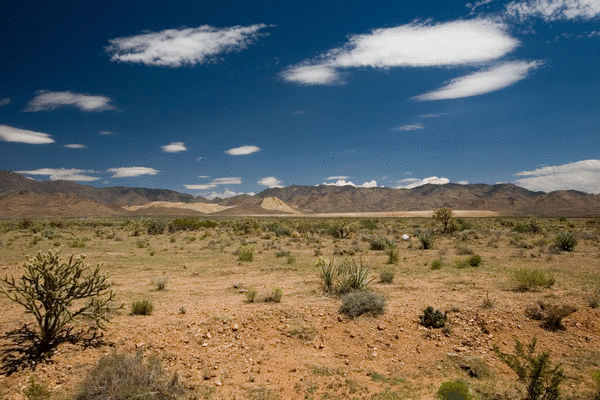
In San Bernardino County, gold mining proposals in the Mojave bring questions about water, public lands and long-term environmental impacts close to home. In the Sierra Nevada, companies are once again looking to extract the estimated millions of ounces of gold that remain underground.
Mercury used to extract gold in the mid-1800s remains in Sierra watersheds more than a century later. Arsenic and other contaminants persist around historic mining sites, alongside the physical hazards of thousands of scattered abandoned mines and features statewide. The costs of extraction can outlast the profits by generations.
Much of California’s gold lies beneath public land, where mining is still governed in part by the General Mining Act of 1872. Created to encourage mineral development and settlement of the West, the law remains the foundation for hardrock mining on eligible federal lands more than 150 years later. It allows individuals and corporations to acquire claims and extract gold and other minerals.
But local action can make a difference. Under the Surface Mining and Reclamation Act, county supervisors were able to take steps to make commercial gold mining legally impossible for companies in Los Angeles County. Elsewhere in California, local land-use policies can also help protect communities from extraction risks.
The federal Bureau of Land Management is currently reviewing a proposed expansion of the Castle Mountain gold mine in San Bernardino County, owned by the Canadian mining company Equinox Gold. The expansion would disturb an additional 1,800 acres of public land and extend the mine’s operational life by 30 years. In Inyo County, south of Lone Pine, the bureau has already approved exploratory drilling at Conglomerate Mesa by K2 Gold, another Canadian-owned entity. When mining companies extract gold from public land, they profit from the resources, while taxpayers can be left to bear the costs of protecting water quality and addressing contamination.
Groundwater is a limited resource in the desert, and decisions about its use have lasting consequences for local communities and ecosystems. Dust and mine waste raise concerns about air quality, water quality and the long-term costs of cleanup. These risks deserve careful scrutiny before projects move forward, not after damage has been done.
Not every mine is the same, and communities can have legitimate economic interests in mining. But those interests must be weighed against the lasting costs of extraction, including risks to water, wildlife and public lands.
California counties have an opportunity to address these risks before a mining proposal arrives at their doorstep. Through land-use planning, they can evaluate the specific characteristics of their watersheds and local economies and establish protections before decisions are made under pressure. Sierra counties are already beginning to take that approach, but local policies cannot safeguard federally controlled public lands on their own. The federal government must protect our shared resources from foreign mining interests seeking private profit.
Environmental damage does not stop at county lines. Los Angeles residents depend on resources across California, and we have a stake in protecting them. Contact your state and federal representatives and demand stronger protections for public lands threatened by new mining projects. Support the Native nations and local communities working to protect their lands and water.
We are still living with the damage left by the last Gold Rush. Act now to ensure future generations are not left paying the price for another.
____
Francesca Brittingham is deputy director of leadership for Jobs and a New Economy. She co-founded Gold Isn’t Green, an anti-gold-mining coalition.
_____
©2026 Los Angeles Times. Visit at latimes.com. Distributed by Tribune Content Agency, LLC.


















































Comments