Editorial: Iran strategy should not be guided by a campaign calendar
Published in Op Eds
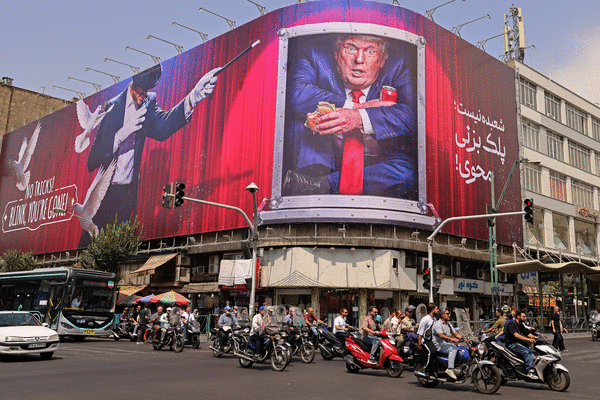
President Donald Trump’s announcement that the United States will not attack Iran before the midterm elections raises a question no commander in chief should leave unanswered: Is America’s policy being set by the national interest or by Election Day?
This does not sound like a strategic calculation. A strategy would explain what the U.S. seeks, what conduct it will tolerate and how it will protect American forces, allies and commercial shipping. Trump instead attached a public date to military restraint: Nov. 3. That turns a grave national security decision into a political calendar.
Iran can draw its own conclusion. The regime has escalated attacks on tankers in and around the Strait of Hormuz, a vital passage for global energy shipments. The attacks were already intensifying as Trump made his announcement. Tehran may see an opportunity to keep applying pressure while betting that Washington will avoid a response that could disrupt markets or become a campaign issue.
Trump may intend to preserve space for negotiations. But announcing that the U.S. will hold off on attacks until after the election risks weakening that effort. It tells Iran when Washington says it will not strike, while leaving unanswered what happens if Iranian forces keep firing missiles, target vessels under U.S. protection or endanger American personnel. A president can pursue diplomacy without broadcasting a timetable that an adversary might interpret as a window to escalate.
The political calculation is difficult to miss. The war has become a liability for Republicans as voters confront higher fuel costs and worry about a widening conflict. A pause in U.S. attacks before Election Day may be meant to limit those costs. But what does that say to voters? It suggests that the timing of military action may be shaped by electoral pressure, even as American interests and the safety of shipping remain at stake.
Voters deserve a clear answer. Is the U.S. pausing because negotiations have produced a credible path to peace, or because the president wants to avoid the political consequences of military action before the midterms? Those are very different explanations. The public should not have to guess which one is driving policy.
Iran’s escalation appears designed to show that it can still disrupt trade, raise economic costs and pressure Washington. The answer should be disciplined and clear: Diplomacy remains open, but attacks on shipping and threats to U.S. forces will not be dictated by an election calendar. The president need not promise war. He must explain how he intends to deter further attacks and reassure voters that American security is not being subordinated to political convenience.
_____
©2026 The Baltimore Sun. Visit at baltimoresun.com. Distributed by Tribune Content Agency, LLC.















































Comments