Federal policy helped widen rural America’s fresh food gap, but a 90-year-old law could help close it
Published in Political News
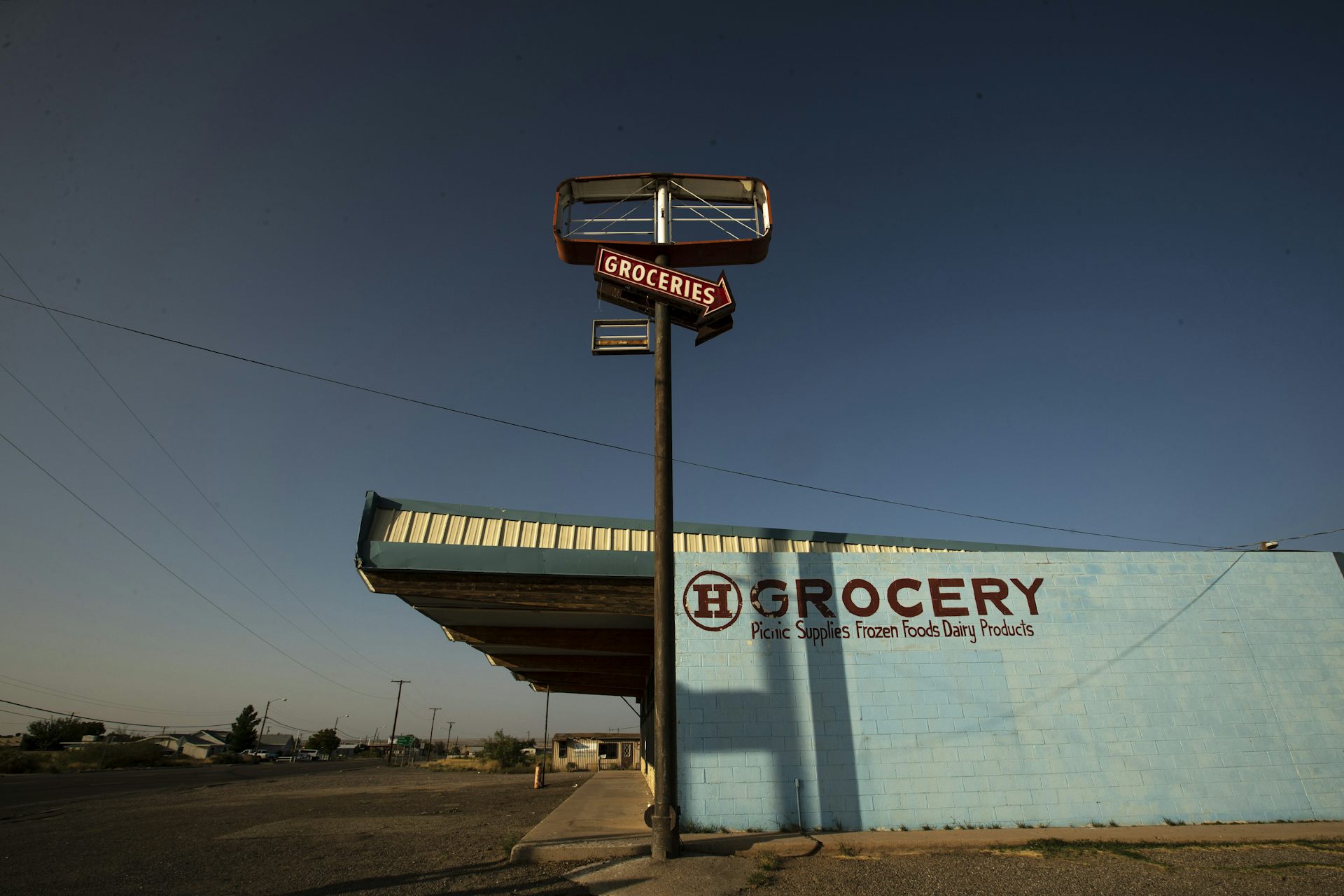

When picking up groceries requires a two-hour round trip, fresh produce can become a luxury. As a food systems researcher, I see this tension firsthand: People need fresh food to be healthy, but rural regions increasingly lack access to it.
Food insecurity among rural households increased from 12% in 2019 to nearly 16% in 2024, according to the U.S. Department of Agriculture. Low income plays a part, but so too do supply chain logistics. Delivering groceries to rural areas costs distributors more, leading to higher prices and less access for rural consumers.
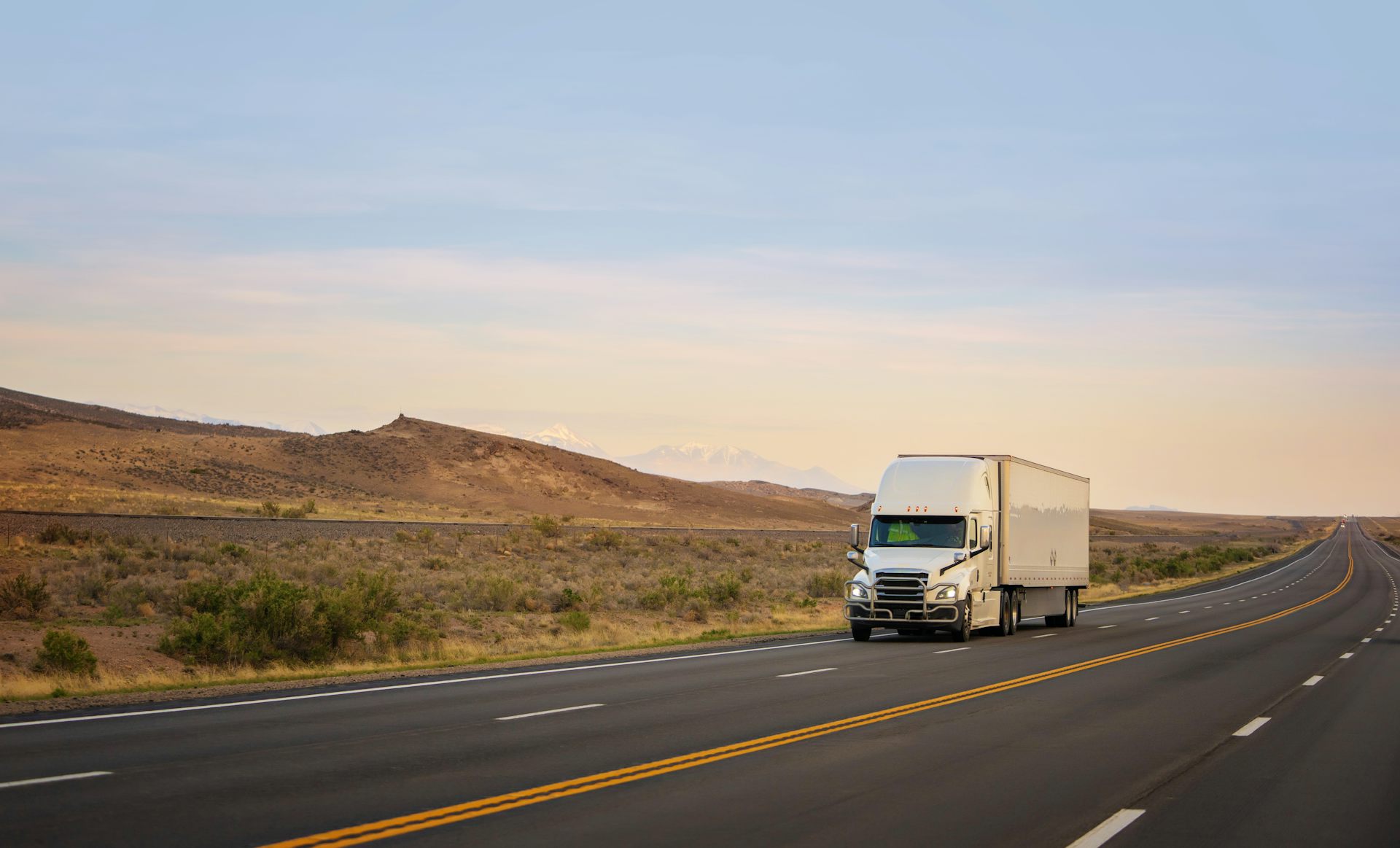
Perishable foods – produce, meat and dairy – travel in refrigerated trucks, making them among the most expensive products to distribute. Rural routes add further costs. Small stores order less and rarely fill a truck on their own, meaning distributors either run long, multi-stop routes, or they send trucks out and back partly empty. Either way, delivery costs increase.
Because of this, many national supply chains don’t prioritize rural communities. But this wasn’t always the case. Since the 1970s, deregulation, supply chain privatization and resulting concentration have skewed food distribution and left rural America behind.
Today, as grocery chains grow larger, rural access to produce, meat, dairy and prepared foods is decreasing. My colleagues and I analyzed the delivery of perishable foods and found that national distributors are underserving seven states when it comes to refrigerated meat, dairy and other prepared foods.
In 1935, the Motor Carrier Act required licensed trucking companies to serve specific regions, so carriers served rural and urban routes alike, ensuring that publicly financed roads were serving public needs. In exchange for a regional operating license, companies offset unprofitable rural service with the high margins they made on profitable city-to-city routes, integrating rural communities into their supply chains.
The following year, the Robinson-Patman Act prohibited wholesale suppliers from favoring large grocers with better prices, advertising or other exclusive deals, discouraging retailers from getting bigger to get better deals.
Together, the two laws strengthened regional economies and held national distribution in check. This protected rural grocers from big grocery chains and split distribution costs between urban and rural communities. As a result, a small-town grocer in 1950 had access to much the same products as a city grocer in the same region.
Though Robinson-Patman is still on the books, enforcement waned in the 1970s as the growing influence of Chicago School economists led a shift toward deregulation. Grocery companies accelerated consolidation, gaining control of supply chains by accumulating massive buying power.
In 1980, President Jimmy Carter signed a new Motor Carrier Act, removing the requirement that trucking companies serve specific regions. Once carriers could choose their routes, service to rural regions declined, as companies began to prioritize more profitable urban routes.
Over time, the dismantling and neglect of these regulatory fail-safes jacked up rural food distribution costs and allowed big grocers to get even bigger. Chains gained access to wholesale discounts that independents didn’t have, affecting smaller grocers and generations of rural Americans.
These two policy shifts were amplified in the 1990s as chain stores started to use point-of-sale data like checkout and loyalty-program records. Large companies had the resources to collect data on purchasing preferences over whole geographic regions, while local businesses did not. Chains began to use early forms of artificial intelligence to find patterns in big datasets, giving bigger companies yet another competitive advantage over small ones.
As AI-powered data became more sophisticated, businesses with the means adopted new technology to improve trucking logistics that optimize for high-density, high-margin urban corridors. This has pushed independent grocers further to the margins.
My colleagues and I use USDA and Department of Transportation databases and AI models to explore rural food access. We found that national distributors are underserving West Virginia, Arizona, Texas, Michigan, North Dakota, South Dakota and Montana when it comes to refrigerated meat, dairy and other prepared foods.
To trace produce in particular, we focused on Wisconsin, using proprietary data from Transearch, a tool that transportation planners use to track interstate commerce. In most Wisconsin counties, national distributors delivered less than 9.2 pounds (4.2 kilograms) of leafy greens per person annually, or less than a third of the 30 to 35 pounds (14 to 16 kilograms) of leafy greens a typical American eats in a year. By contrast, urban counties around Milwaukee and Madison received 19 to 37 pounds (9 to 17 kilograms) per person annually.
Interviews with grocers, distributors and food pantry volunteers across 13 northern Wisconsin counties helped illustrate why.
Federal safety rules cap truckers at 11 hours behind the wheel, so a distant delivery might fit in a shift only if the truck has one stop to make. “But to be profitable, we need multiple stops on the truck,” one distributor said. “That’s why a lot of those really far-out stores, we’re not really interested in.”
Working to fill this gap, independent retailers operate more than half of rural grocery stores, providing 38% of food sales. To alleviate the supply chain cost burden, some rural grocers have joined or formed distribution co-ops they own and govern.
But co-ops alone won’t fix the underlying problem.
One grocer told our team that two cooperative distributors – which had served smaller, independent grocers – merged and were bought out by a private equity firm. Eventually, Kroger – one of the country’s largest integrated grocery chains – bought the distribution network and stopped supplying independent stores, serving only those it owned. It also focused on more profitable urban locations, opening new stores in high-growth markets.
This reduced competition in rural food distribution.
During the Biden administration, the Federal Trade Commission revived enforcement of the long-dormant 1936 Robinson-Patman Act and other antitrust laws meant to protect independent businesses from a few big companies controlling the market.
The FTC sued to block a merger between Kroger and Albertsons, two of the country’s largest grocery chains. It also sued distributor Southern Glazer’s for allegedly giving deep discounts to national chain stores, including Kroger, and PepsiCo for allegedly giving a large retailer deals that smaller ones didn’t get.
In May 2025, under the Trump administration, the FTC dropped the PepsiCo case, citing partisanship. But in October 2026, it settled its case against Southern Glazer’s in a deal the agency said would make it easier for small businesses to compete with large chains.
In my assessment, enforcing Robinson-Patman and other laws would discourage discriminatory pricing that gives chains an advantage over smaller rural stores.
Taking a fresh look at food distribution policies – like the Motor Carrier Act and public utility policies – could also level the playing field. For example, including rural delivery as a licensing requirement again could improve rural food access.
In 2025, the Trump administration announced that it would no longer collect food security data, without which food systems researchers will struggle to know whether conditions in rural America improved or worsened in 2026. Meanwhile, public funding to monitor food systems continues its decline.
Though rural distribution remains a challenge globally, other countries are making inroads: In June 2026, Canada announced a 10-year food security strategy worth 3.2 billion Canadian dollars, including aid to independent grocers, refrigerated warehouses and open wholesale marketplaces where farmers can sell their produce.
Large regions of the U.S. would benefit from the same.
This article is republished from The Conversation, a nonprofit, independent news organization bringing you facts and trustworthy analysis to help you make sense of our complex world. It was written by: Michelle Miller, University of Wisconsin-Madison
Read more:
Trump scraps the nation’s most comprehensive food insecurity report − making it harder to know how many Americans struggle to get enough food
What’s next for Albertsons after calling off its B grocery merger with Kroger: More lawsuits
Farmers markets are growing their role as essential sources of healthy food for rich and poor
Michelle Miller receives funding from the United States Department of Agriculture, and the State of Wisconsin. She is affiliated with Wisconsin Farmers Union and Warehouses 4 Good.















































Comments