Why Democrats are amplifying corruption talk: A historical strategy for parties out of power
Published in Political News
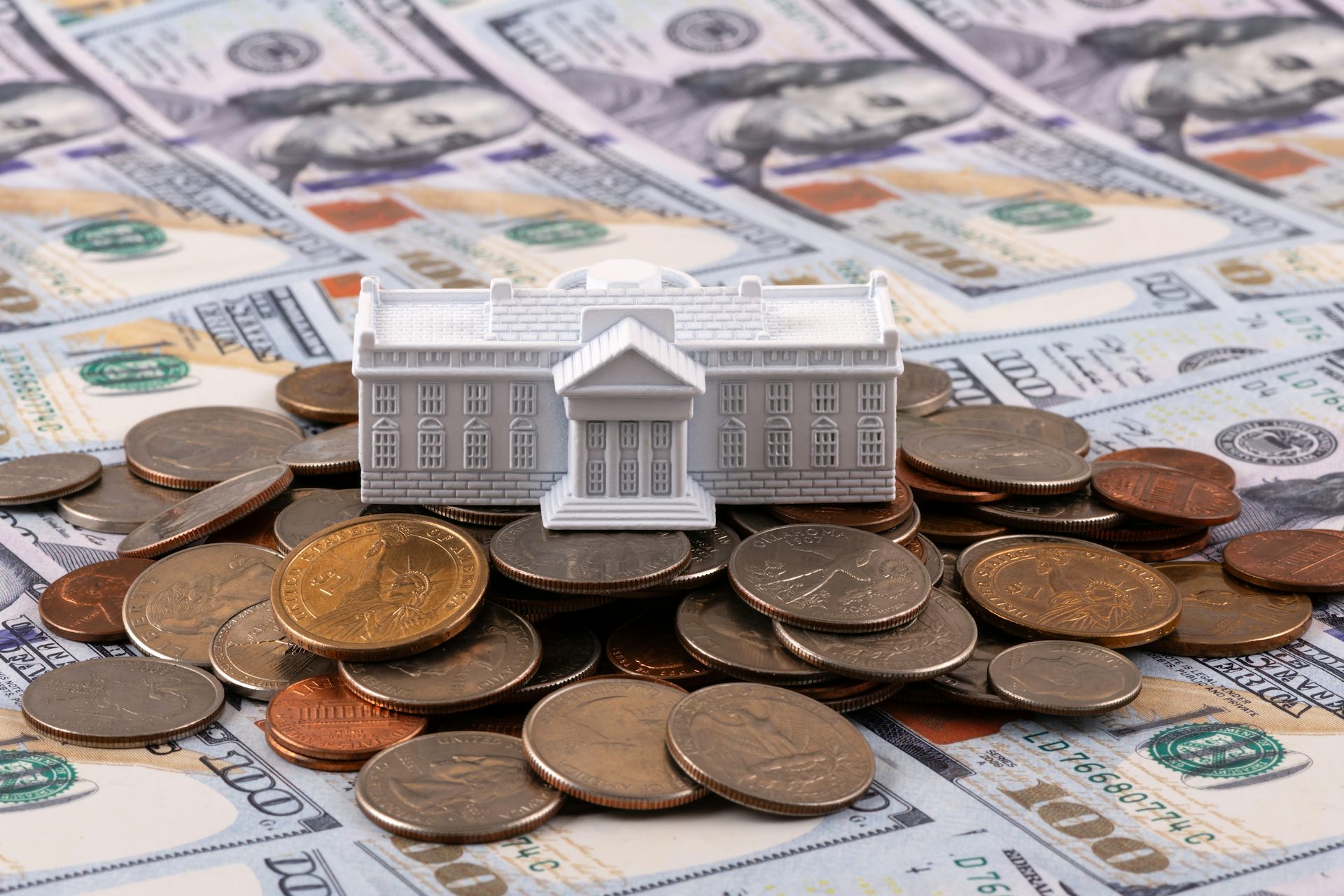
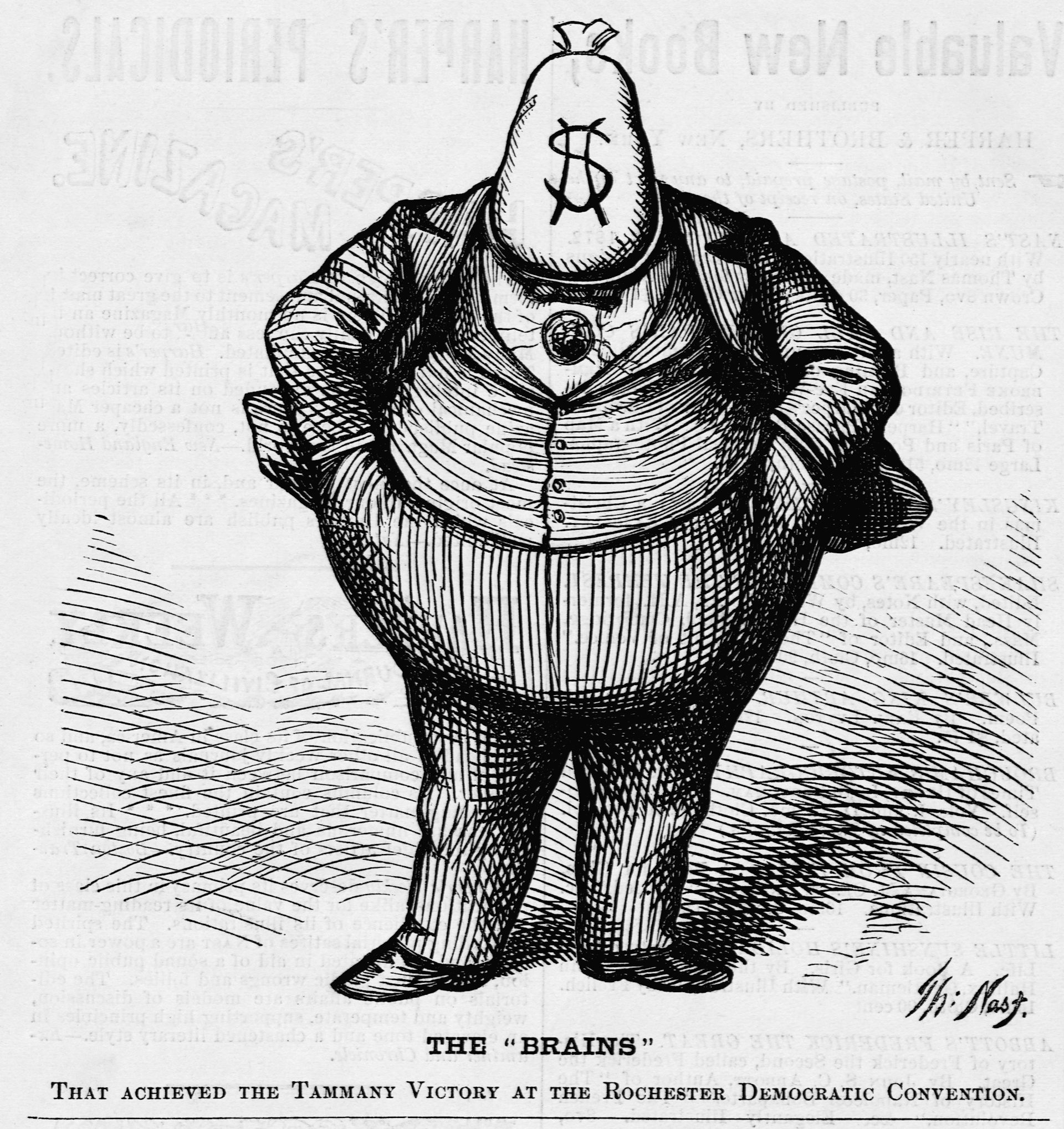

If you have seen campaign ads for the midterm elections, you have likely noticed that a major theme this year is corruption.
New Hampshire congressman and Senate candidate Chris Pappas has framed his campaign around his anti-corruption efforts in Congress, claiming that his anti-corruption record includes the fact that he “doesn’t take a dime of corporate PAC money,” opposes congressional stock trading, and wants to ban companies from using AI to set prices based on Americans’ personal data.
A super PAC allied with Pappas’ prospective Republican opponent, John Sununu, has run ads calling Pappas corrupt, alleging that Pappas “serves on a House committee that oversees Uber, where his husband, a former lobbyist, serves in an executive policy role.”
This is one of many races where corruption has a prime role. On her DCinbox Substack, which tracks “how members of Congress communicate with constituents,” Lindsey Cormack shows that Democrats this year are talking about corruption six times as much as they did in 2022 and four times as much as Republicans have this year in their emails to constituents. This suggests that the corruption talk is a part of Democratic Party strategy.
Why?
One possibility might be that there is a lot of corruption happening. Yet a puzzling feature of these advertisements is that few of them mention President Donald Trump, despite plentiful allegations of corrupt acts by Trump and members of his administration.
Another might be that the public is particularly concerned about corruption. Research shows, however, that the public is always a little bit concerned about corruption, and that these worries often do not correspond with particular actions by politicians.
So what is going on, then?
The talk, it turns out, is not really about specific, identifiable corruption. It’s about delegitimizing your opponent.
My recent book, “American Corruption Talk,” co-authored with Molly Brigid McGrath, analyzes the prevalence of what we call “corruption talk” by presidents and presidential candidates since the nation’s founding. We argue that corruption talk is different from talk about real corruption – many Americans identify things as being corrupt even when they do not meet the textbook definition of corruption.
In our book, we identify three types of corruption:
• Transactional corruption is inherent in particular acts – offering or accepting a bribe, for instance.
• Moral corruption is being a rotten person – someone who is corrupt is not trustworthy, even if we cannot identify anything specific that person has done wrong.
• Systemic corruption has to do with the government’s behavior itself. It is not a matter of bad people but bad institutions.
Corruption talk blurs the distinctions between these three distinct things.
In the book, we explore changes over time in how presidents, presidential candidates and party platforms discuss corruption.
We found that parties out of power talk much more about corruption than those who are in power. Corruption talk is popular among politicians who want to avoid taking strong ideological positions or tying themselves closely to their party leaders. They can use it as evidence of bipartisanship, as a way to say they are not career politicians, or to emphasize their competence and integrity.
Corruption is what political scientists call a valence issue – almost everyone thinks corruption is bad, but not everyone agrees about how much of it there is.
Corruption talk, it turns out, is useful for bringing together parties or candidates who want to avoid talking about divisive issues. It is also a way to delegitimize the opposition. If one’s opponents are corrupt, it doesn’t matter what they say. They’re the kind of people who would do corrupt things, even if they haven’t done them yet.
The Democrats’ corruption talk of 2026 checks all of these boxes.
Democrats have internal divisions, from political ideology to policy on Israel, which they may wish to avoid talking about.
Talking about things Trump has done requires too much explanation – it’s hard to describe the Constitution’s foreign emoluments clause in a 30-second ad. That clause bars the president from accepting “‘any present, Emolument, Office, or Title, of any kind whatever’ from a foreign government unless Congress consents,” and Trump has been accused of violating it.
But talking about corruption in a moral or systemic sense – observing that the country is in decline, or that elites are out of touch – can be effective.
“To every Utahn tired of chaos and corruption, there’s a place for you on this campaign,” Ben McAdams, a former Democratic congressman from Utah and current candidate for the House, declared in a July 2026 Instagram post.
So talking about corruption is a way to talk about Trump and the Trump administration without mentioning them directly. Voters unhappy with Trump will assume corruption talk is an indictment of Trump, while Trump supporters may assume the corruption is elsewhere – after all, Trump won the 2016 election, in part, by promising to take on the corrupt establishment.
These distinctions – real corruption vs. corruption talk – go back at least to the country’s founding, if not beyond. Historically, corruption talk has stood in for other things.
For instance, the Progressive Era of the late 19th and early 20th centuries, a time when activists in both parties worked together to pursue reforms in government, economic policy and social policy, was the era in which we find that corruption talk was most prevalent in American politicians’ rhetoric. It was also a moment when America was almost as polarized and economically unequal as it is today, and many Americans saw this inequality as a symptom of corruption.
None of this is to deny that the U.S. currently has a president who has engaged in more overt acts of corruption than any other. Trump’s actions – from his family’s documented cryptocurrency profiteering to his appointment of a Cabinet full of conflicts of interest (such as stock ownership in companies regulated by their agencies, or a history of lobbying the very agencies they now run), to his alleged ties to the disgraced financier Jeffrey Epstein – no doubt have catalyzed this discussion.
Yet it is perhaps fitting that the nation’s 250th anniversary has been characterized by a return to a classic American preoccupation: the traditional American pastime of corruption talk.
This article is republished from The Conversation, a nonprofit, independent news organization bringing you facts and trustworthy analysis to help you make sense of our complex world. It was written by: Robert Boatright, Clark University; Institute for Humane Studies
Read more:
State prosecutors and voters – not the feds – can hold corrupt officials accountable
It’s getting harder to prosecute politicians for corruption
Delaying primaries helps protect incumbents as well as voters
Robert Boatright does not work for, consult, own shares in or receive funding from any company or organization that would benefit from this article, and has disclosed no relevant affiliations beyond their academic appointment.


















































Comments