Editorial: Those who benefited from gay marriage have reason to appreciate Richard Posner
Published in Op Eds
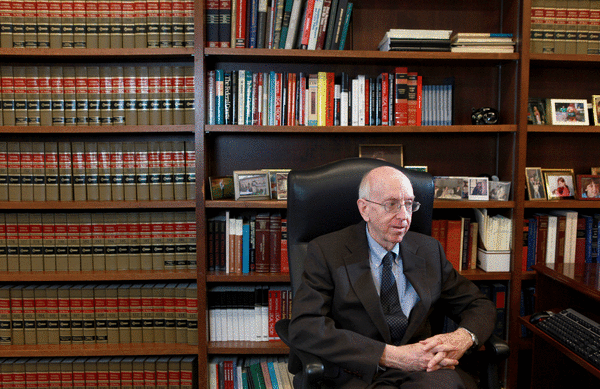
Richard A. Posner’s day job from 1981 to 2017 was as an appellate judge in the federal court system, but that did not prevent him from serving simultaneously as one of Chicago’s most interesting and iconoclastic public intellectuals. He did not merely apply the law but wondered aloud of its purpose. To students at the University of Chicago but also, across multiple media, to the rest of us. For decades.
Often, the Ronald Reagan appointee’s pragmatic mind found common sense was more useful than statutes or archaic case law.
The Tribune Editorial Board wrote about Posner, who died in our city Tuesday at the age of 87, numerous times over the years. But we’ve decided to focus our tribute today on his contributions to a then-fierce debate over gay marriage, which at that time was wending its way through the federal appellate courts toward the Supreme Court, the ultimate decider.
Posner got to weigh in when the U.S. Court of Appeals for the 7th Circuit, in Chicago, struck down existing Wisconsin and Indiana laws that prohibited gays from marrying. Posner was not the only appellate or district judge to have a favorable opinion toward gay marriage, of course, but so devastating was his dismantling of the opposing argument, we noted approvingly in 2014, that the highest court in the land would have had a very hard time going in a different direction.
Simply put, Posner essentially tied the high court’s hands — in the best way possible, at least to our minds.
Posner first asserted gays “are among the most stigmatized, misunderstood and discriminated-against minorities in the history of the world,” which led him inexorably to the conclusion Wisconsin and Indiana would have to demonstrate that the “benefits of the discrimination to society as a whole clearly outweigh the harms to its victims.”
Obviously, there were no such broad societal benefits that could compete with the clearly identifiable harms of denying gay Americans the right to marry the partner they loved. Posner blew apart the argument being made by the states that procreation was a fundamental purpose of marriage merely by pointing out that infertile heterosexuals, or heterosexuals who didn’t want children, were not denied the ability to marry. Heck, Indiana allowed first cousins to head to the altar.
By framing the argument in this pragmatic way, Posner went a long way toward ensuring the Supreme Court would have no choice but to strike down the states’ bans.
It might be going too far to say he was the architect of the gay freedom to marry, but then again, maybe not. Allies arrive from unusual places.
As we note the exit of a remarkable Chicagoan this week, we also note the beneficiaries of Posner’s way of thinking was not just two brides or two grooms, but their children, too. Here was a man who understood the stability and benefits of marriage are good for everyone.
___
©2026 Chicago Tribune. Visit at chicagotribune.com. Distributed by Tribune Content Agency, LLC.














































Comments