Lisa Jarvis: A weaker ACA will cost all Americans
Published in Op Eds
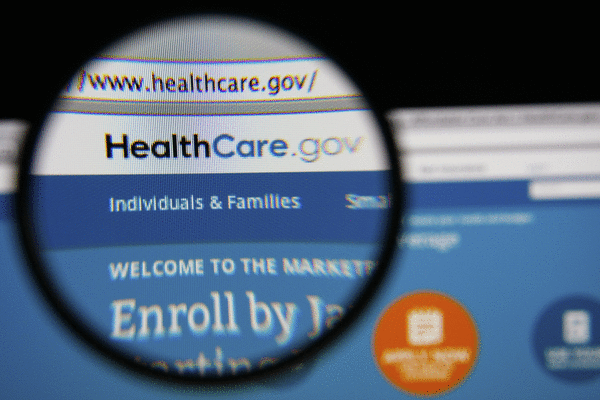
As millions of Americans begin signing up for Affordable Care Act coverage this week, many will find they are in for another painful year of price hikes and, in many states, fewer choices. What’s more, new policies are set to push more people to go without insurance. That should concern all Americans — even those with employer-sponsored plans.
As far as problems go, this one wasn’t entirely unexpected: Republicans allowed Biden-era enhanced tax subsidies that had made ACA plans affordable to more people to expire at the end of last year. The fallout has been vast. Monthly premiums for marketplace plans went up by an average of 58% this year, with some Americans confronted with far bigger increases. That has squeezed budgets and pushed people to make hard choices.
Their stories are everywhere: The Maryland woman putting the $659 monthly bill on her credit card, yet still daunted by a doctor’s visit due to her plan’s $10,000 deductible; the Iowa farmer whose premiums nearly tripled; the Florida counselor who downgraded her plan but still had to sacrifice education and date nights with her husband to afford care.
Many other Americans are simply going uninsured. The most recent estimates from KFF show that in this first year without enhanced subsidies, individual market enrollment dropped by more than 4.6 million people.
All of this might be white noise to the majority of working-age Americans who get their insurance through their employer. But everyone should be paying attention to the battering of the ACA.
For starters, remember that the people hit by these changes to the ACA live and work in our communities. Whether it’s the acquaintance who makes a living as a freelancer, the owner of the corner coffee shop, or the guy delivering groceries, our friends and neighbors are struggling under the weight of these policy changes. And, of course, any of us could one day find ourselves in need of coverage.
But the economic consequences of less affordable coverage also affect everyone indirectly. When more people go uninsured — and between the ACA changes and new Medicaid work requirements, many millions are joining those ranks — hospitals see a rise in uncompensated care. Those bills don’t go unpaid. Rather, hospitals pass the cost on to privately insured patients in the form of higher prices for care.
And those broader costs are likely to worsen as the situation in the ACA marketplace deteriorates. Sure, the biggest shock — the expiration of the tax credits — has passed. But healthcare costs continue to rise, and ACA premiums for 2027 will go up by another 13% on average.
And in some ACA marketplaces, plan options have dwindled. Some 11 carriers have said they will exit the marketplace next year, according to KFF, leaving Americans in some 24 states with no choice but to find a new plan — one that may be worse than the one they had before.
What’s more, everyone who relies on ACA insurance could find they have far less enrollment help in 2027. Last year, the Trump administration stripped away most of the funding for “navigators” who help people sign up for coverage. That’s not just a nice-to-have program: Research has shown that outreach lowers the uninsurance rate and is particularly crucial for people in underserved communities.
And last month, the Centers for Medicare and Medicaid Services paused enrollment for new brokers who help people sign up for insurance. The move was billed as an anti-fraud measure, but it could create a real bottleneck during open enrollment. (On that front, health policy experts advise anyone who uses a broker to grab an appointment now.)
But Republicans’ walloping of the ACA is not over. President Donald Trump’s One Big Beautiful Bill includes several other big changes that will roll out over the next two years — changes that seem designed to make it harder for people to find, let alone afford, coverage. Unfortunately, they also don’t seem to be on enough Americans’ radars.
The big shift next year will be the enactment of a provision that strips lawful immigrants — including, for example, green-card applicants, refugees and asylum seekers — of eligibility for ACA tax credits. The Congressional Budget Office has estimated the provision will leave another million people uninsured. Sneakier provisions that go into effect in 2028 could complicate enrollment for many more Americans.
And once again, the impact of a more fragile ACA marketplace won’t just be felt by ACA enrollees. With healthcare costs surging for everyone, employers are increasingly considering alternatives to traditional health plans. More are turning to a newer approach — one getting a hard sell from the Trump administration — that involves giving employees money to buy their own coverage.
Yet that approach is only attractive if the marketplace is stable — and ideally, it should be thriving. Workers value healthcare benefits, and companies want to know their employees have reasonable options that aren’t only affordable, but also allow them to continue seeing their providers.
The policies that are chipping away at Americans’ access to health insurance — and at the existence of the ACA marketplace itself — aren’t set in stone. And everyone, not just those who rely on the program, has a vested interest in a healthier healthcare ecosystem.
_____
This column reflects the personal views of the author and does not necessarily reflect the opinion of the editorial board or Bloomberg LP and its owners.
Lisa Jarvis is a Bloomberg Opinion columnist covering biotech, health care and the pharmaceutical industry. Previously, she was executive editor of Chemical & Engineering News.
_____
©2026 Bloomberg L.P. Visit bloomberg.com/opinion. Distributed by Tribune Content Agency, LLC.















































Comments