
Cal Thomas: What happened to initiative?


Two years after voters tossed Democrats from power in Washington, polls show they are ready to switch sides again. Does it make sense to welcome back a party and its ideas that were so recently rejected?
The reason so many voters are frustrated by both parties is that they have been putting too much faith in government and too little faith in themselves. It’s called initiative and the lack of it has contributed not only to dysfunctional government but also to a loss of the things that built and sustained America through challenges greater than high gas prices and “unaffordable” groceries.
One definition of initiative: “The energy, motivation, or independent judgment to start a task without waiting to be told what to do.”
In his book “Raising Positive Kids in a Negative World,” the late motivational speaker Zig Ziglar wrote: “Of course motivation is not permanent. But then, neither is bathing; but it is something you should do on a regular basis.”
The list of Americans who succeeded without government help but with considerable motivation is long. In his book “The Wright Brothers,” David McCullough writes of the owners of a small bicycle shop in Dayton, Ohio, who turned their dream about building airplanes in which humans could fly into reality without government help. In fact, Washington turned them down and they had to appeal to the French government (oh, the indignity) which was willing to offer financial assistance.
A Google search provides only a partial list of people who used initiative and motivation to achieve what government was unable or unwilling to do.
Cornelius Vanderbilt created his massive shipping and railroad empires by out-competing government-subsidized monopolies. He consistently lowered fares and improved service to win over consumers using only private funds.
Andrew Carnegie revolutionized the steel industry by adopting cutting-edge technology and cost-efficiency. He later dedicated his life to philanthropy, using his private fortune to build more than 2,500 public libraries worldwide.
John D. Rockefeller created Standard Oil through aggressive efficiency, vertical integration, and waste reduction. His innovations drastically lowered the price of kerosene, making affordable lighting accessible to working-class families before creating modern philanthropy.
Henry Ford transformed American manufacturing and transportation by developing the assembly line and the Model T. He famously did not rely on government subsidies, instead focusing on high wages for workers and affordable pricing for the public.
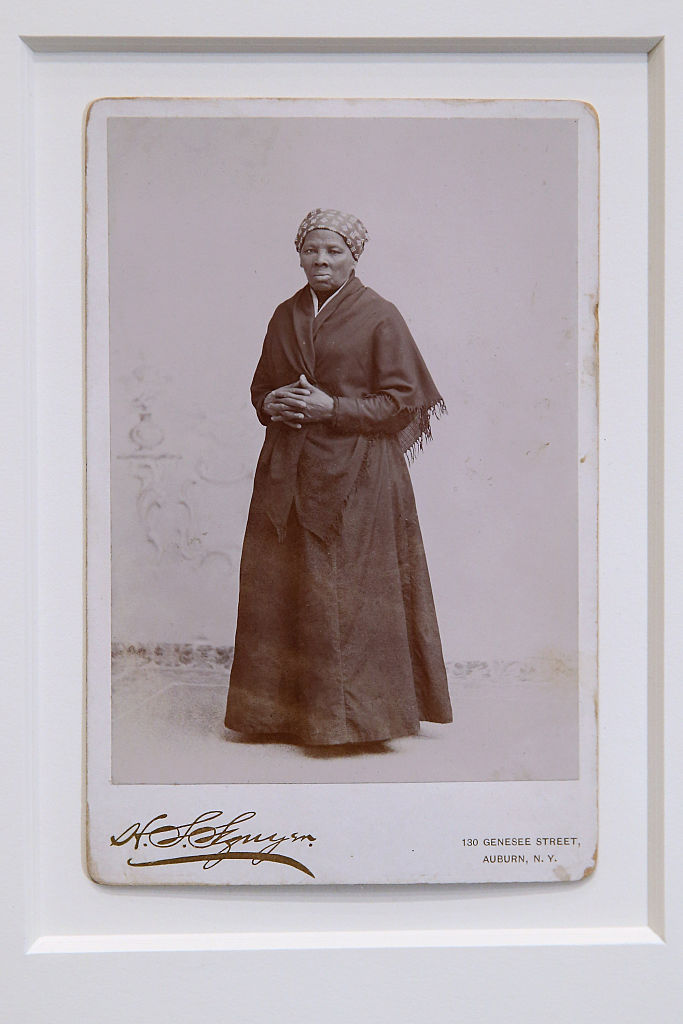
Harriet Tubman escaped slavery and repeatedly risked her life to rescue dozens of enslaved people via the Underground Railroad. Her heroic operations were covert and defied the federal government's fugitive slave laws.
Frederick Douglass escaped from slavery and taught himself to read and write. He became a leading abolitionist, orator and publisher of The North Star, driving major societal change through his own intellectual influence and private organizing.
Madam C.J. Walker, born to former slaves, built a hair care empire for African American women entirely from scratch. She became America’s first self-made female millionaire, using her wealth to fund scholarships and civil rights organizations.
The list goes on, including Bill Gates and Elon Musk. We apparently no longer teach, much less study, the value of initiative and motivation. Politicians would lose power over us if we did. There are many ways to counter higher costs and those who find them can experience satisfying results.
These might include riding a bike over short distances instead of driving a car, saving gas. Buying an electric car. Shopping food co-ops or changing one’s diet to lower the cost of food (and a possible side effect of losing weight).
Initiative and motivation can change lives. Politicians promise they can do more for you but never mention what you can more effectively do for yourself.
Changing party majorities won’t change outcomes. If politicians had that power, they would have used it by now.
========
Readers may email Cal Thomas at tcaeditors@tribpub.com. Look for Cal Thomas’ latest book “A Watchman in the Night: What I've Seen Over 50 Years Reporting on America" (HumanixBooks).
©2026 Tribune Content Agency, LLC.



























Comments