On Gardening: Augusta Lavender will be a winner for you
Published in Lifestyles
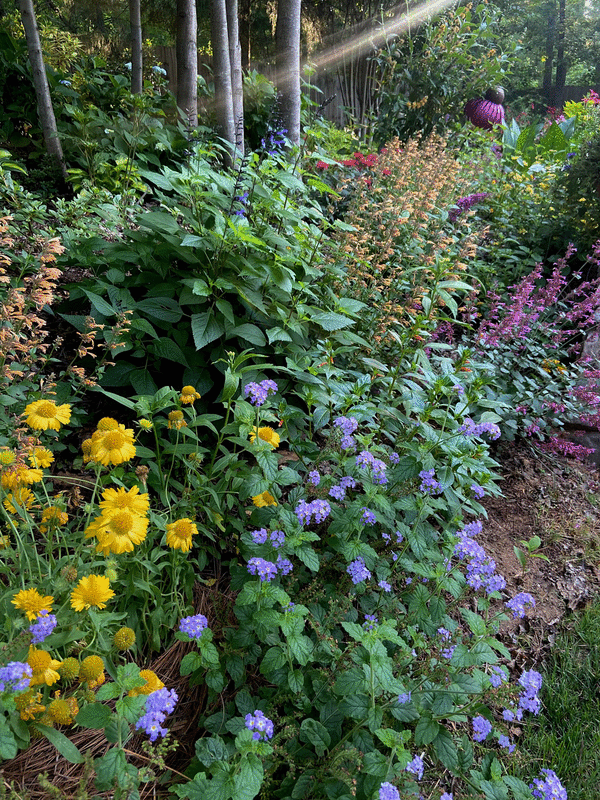
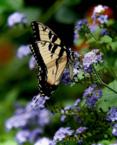
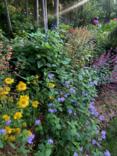
This growing season marks the sixth year that Augusta Lavender heliotrope has been at home in my garden. This isn’t bad for a plant first predicted to be hardy to zone 9. (I am in Georgia, zone 8.)
The first few years it seemed like Augusta Lavender was not an annual or perennial but an eternal. I suppose it still might be, but in saying that I was referring to its bloom season. I’ve got pictures of it blooming just about every month. But after the 2025 season, it makes me think it has some power of reasoning. I’m kidding, but let me explain.
Last year was my hardest year for gardening. We came out of a hard winter to a glorious spring. Then the water shut off, in more ways than one. Drought came like I haven’t had since moving to Georgia. And then to make matters worse, I had irrigation system issues that hung around most of the summer. The white-haired Garden Guy dragged hoses until I was ready to cry uncle. It meant water rationing for my plants, including some that didn’t get what they needed.
The Augusta Lavender heliotrope disappeared. I thought to myself how could I do that to one of my most loved plants to come out in a decade? After we got into football season, surprisingly, all the clumps returned. Even after one arctic blast after another, they are still there and most are showing some color.
Usually when you consider a plant with such a habit your thought may be: Is it aggressive? This is simply not the case. After six years, it is a mild-mannered, tough-as-nails perennial in my zone 8 garden.
Since the last time I wrote about Augusta Lavender heliotrope, it has continued winning more awards, from Canada to the University of Florida. The awards also include perfect scores at University of Missouri and Oklahoma State University.
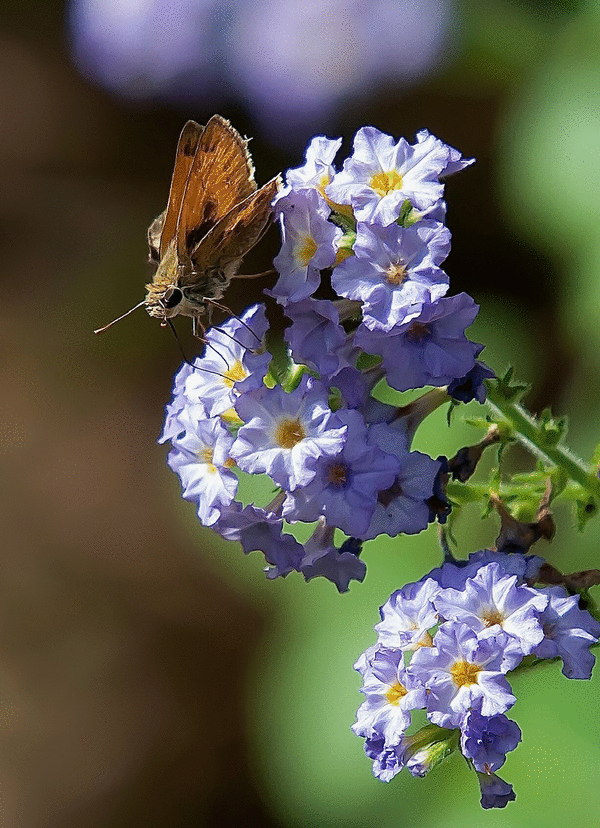
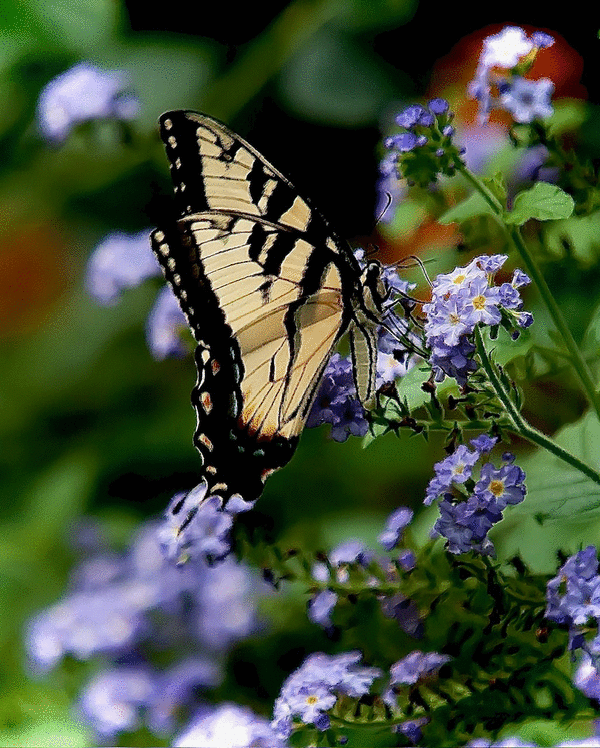
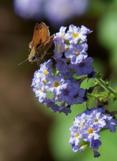
In these 6 years it seems that there is no butterfly that it can’t attract. You will find all the large swallowtails down to the dainty-looking fiery skipper. So plan to include the Augusta Lavender heliotrope into your pollinator gardens.
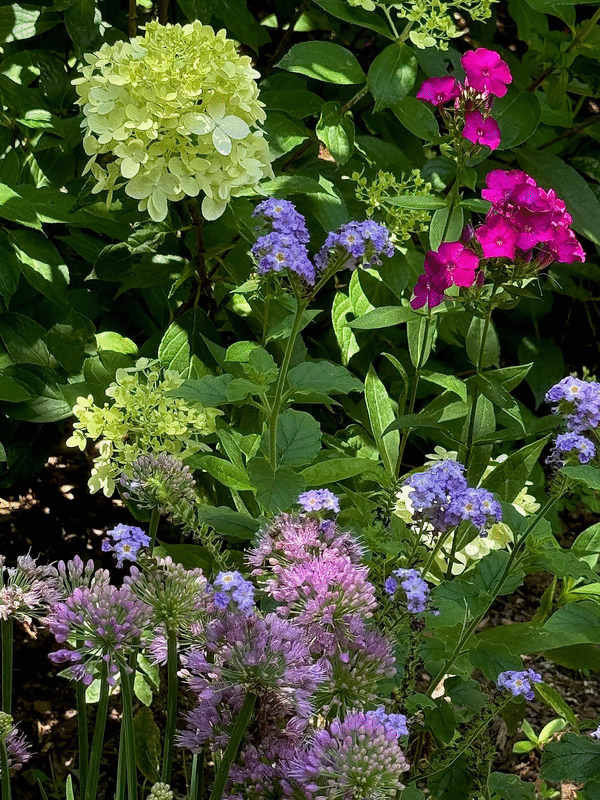
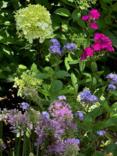
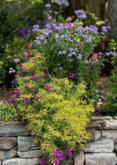
This past year I used it in a new combination featuring Limelight Prime hydrangea paniculata with white blooms and additional color coming from other perennials. I also used Luminary Ultraviolet tall garden phlox, and Serendipity ornamental onion in side yard planting.
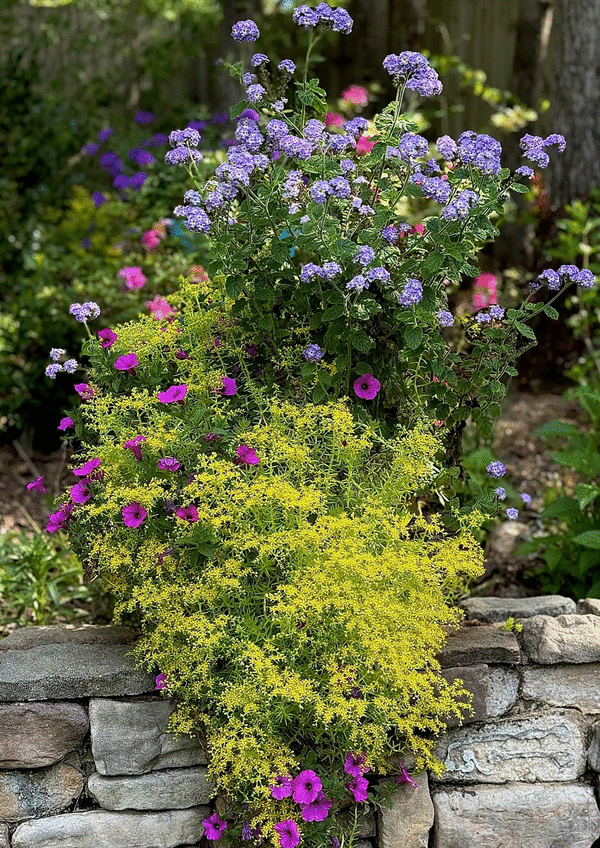
In the backyard that has larger beds, I used Augusta Lavender with Meant to Bee Queen Nectaraine and Meant to Bee Royal Raspberry agastache. The bed also included Heat it Up Yellow blanket flower and Rockin Blue Suede Shoes salvia. It is also a pure delight in mixed containers.
Augusta Lavender heliotrope doesn’t seem persnickety over soil type if it is well-drained. Boggy soil and tight compacted clay are not your friend. I’m always wishing for a little more sun, but it looks as though I am in a happy place.
The tag reads up to 24 inches wide with a potential spread of 3 feet. Usually, I am a little larger than the tag, but in this case, I am just a little smaller ,which is just fine. On the other hand, since it is perennial for me, I have taken the liberty of digging a small sprout or two and placing them around the garden.
Maintenance is easy. I like to feed those in containers with dilute water-soluble fertilizer every two to three weeks. Those in beds incorporate controlled-release granules at planting and about every six to eight weeks or per your formula recommendation. At any time that the plant habit seems loose or open, feel free to cut back by one-fourth to shape up.
If you have not tried the award-winning Augusta Lavender heliotrope, make 2026 the year you do. I am positive you will be giving it an award too.
____
(Norman Winter, horticulturist, garden speaker and author of “Tough-as-Nails Flowers for the South” and “Captivating Combinations: Color and Style in the Garden.” Follow him on Facebook @NormanWinterTheGardenGuy.)
(NOTE TO EDITORS: Norman Winter receives complimentary plants to review from the companies he covers.)
©2026 Tribune Content Agency, LLC























Comments