The Heiva Festival Is the Soul of Tahiti
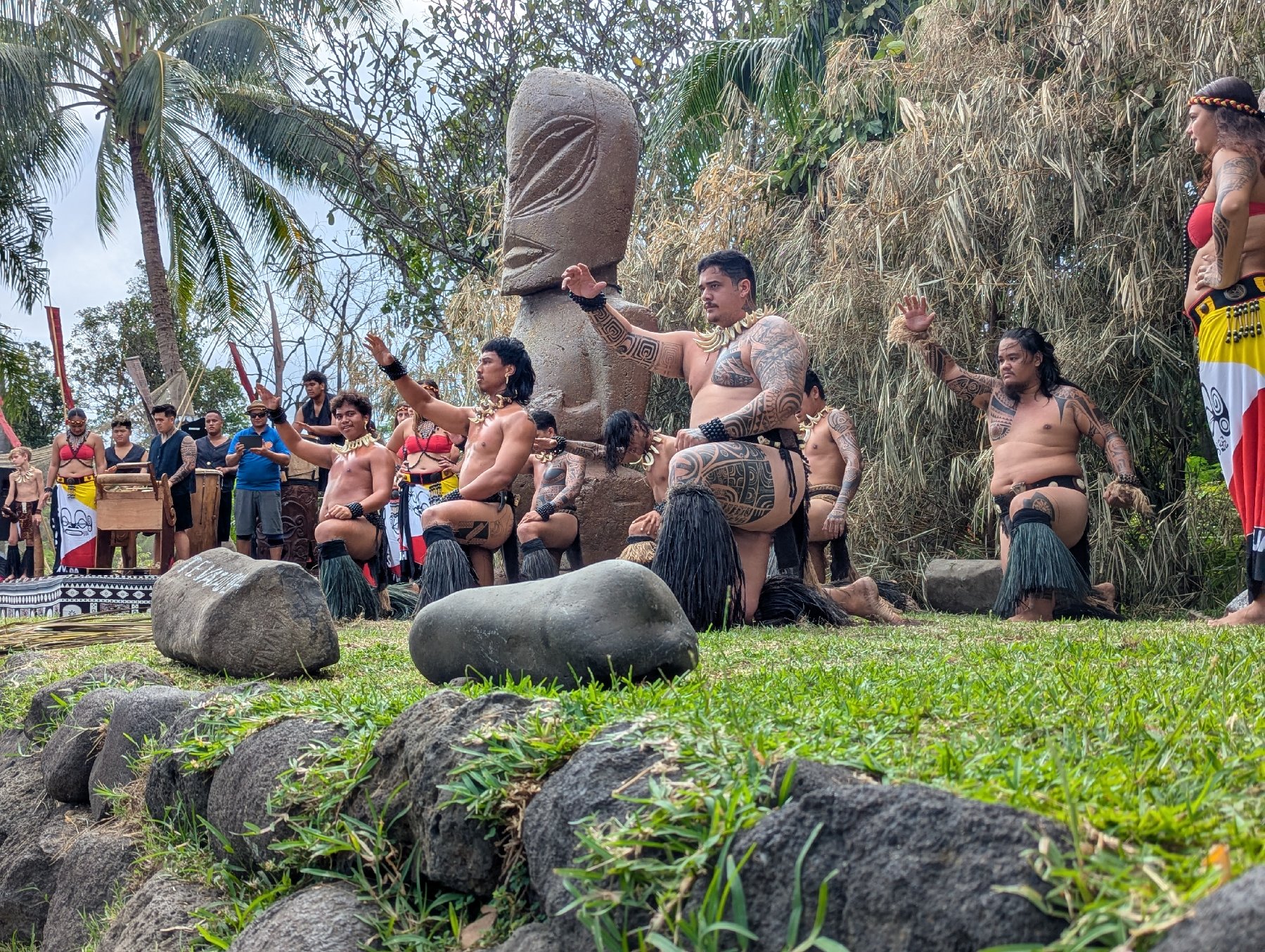
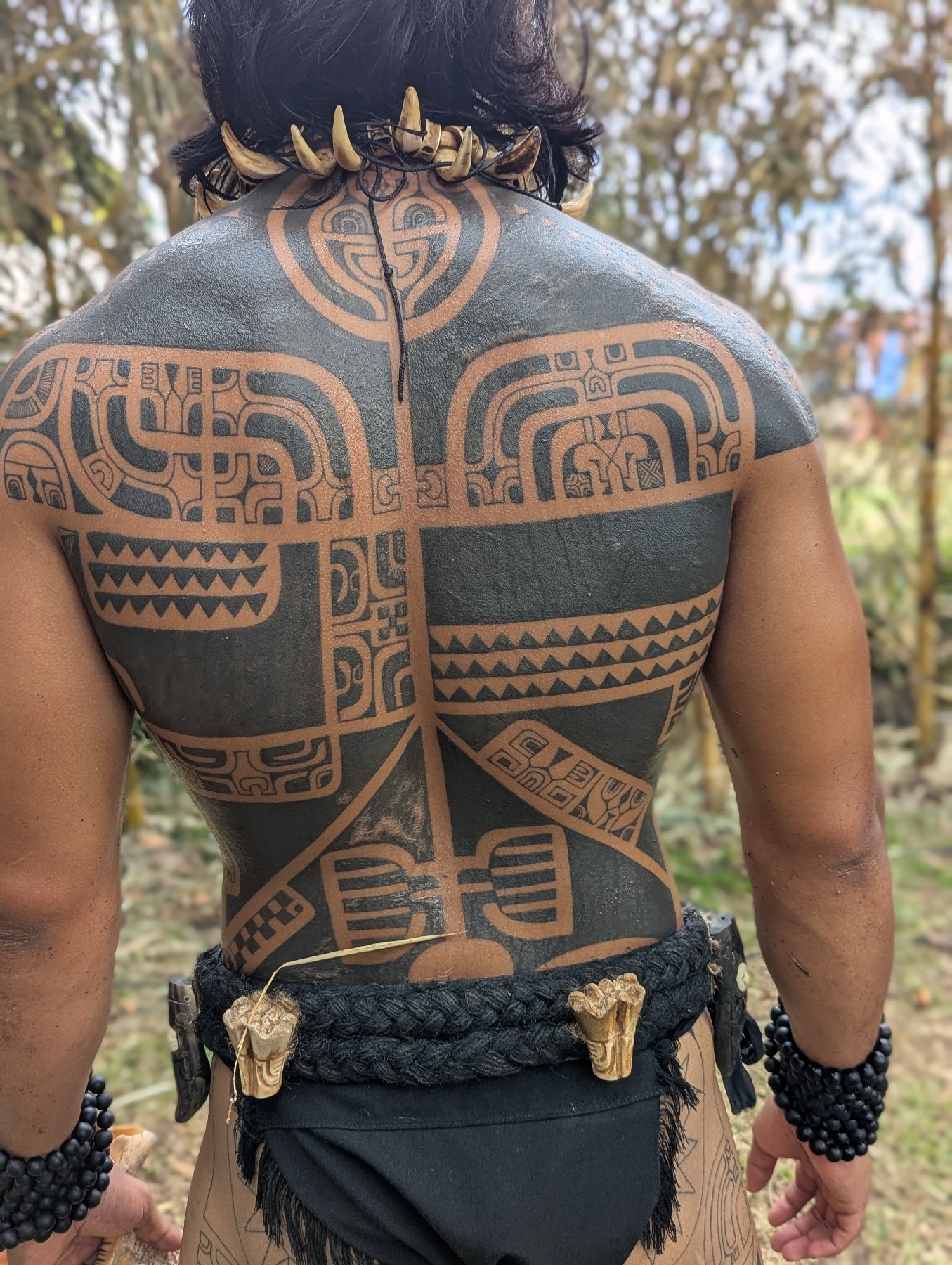
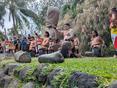
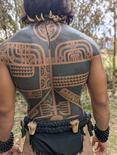
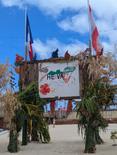
If it's July, it's Heiva Festival month in Tahiti, a stunning celebration of ancient Polynesian culture, song, dance and sports known as the Polynesian Olympics. Over 140 years old, it originated in 1881 and is the longest-running and most important cultural event in the Pacific. Yet it is little known outside. The Tahitian word means to assemble. And assemble the people do.
Tahiti and her sister islands make up French Polynesia, a collectivity of France with a population of about 285,000. On the map, they are merely a speck in the middle of the South Pacific Ocean. But up close, its 118 islands and atolls make up five archipelagos. Together, including the water, they are the size of Europe. Dancers, musicians and athletes from around the islands as well as international participants train rigorously for the prestigious Heiva.
This vibrant event, also called Heiva i Tahiti, honors the ancestral roots of the islands by keeping traditions alive. For one month, competitions in ancient sports take place by day, then nights light up under the stars as crowds gather at To'ata Square in Papeete, Tahiti's capital and the cultural heart of Polynesia.
From thunderous drumming to the warm bright sounds of the ukulele, music is intrinsic to Tahitian dance -- the festival's main event. Fortunate are the audiences who bear witness to these traditions that pass to future generations that are vital to the preservation of Tahitian culture.
Experiencing Heiva for the first time was like a rite of passage as I immersed my senses in rituals and traditions dear to the people of Tahiti -- an unexpected emotional encounter.
The festival dates to pre-missionary times when island communities celebrated life events such as a wedding or the birth of a child with dance and music that honored gods. Body movements recounting daily life were a form of oral history before written language. Understanding the meaning of dance movements elevated my appreciation for this cultural treasure.
Such as the scissor-like leg motions and fast hip movement -- called ote'a -- that evolved from ancient Tahitian warrior dances. Considered the signature element of Tahitian dance, it is performed to energetic rhythmic drumming as hand and body motions tell stories. While executing rapid hip rotations with simultaneous knee-bending and maintaining a still upper body, barefoot dancers endure demanding physical control as they move around the stage, whether a soloist or in unison with as many as 100 dancers.
Indeed, music, song, chants, choreography and "mana" or spiritual power, inextricably connect performers to ancestors and nature as they become the transmitters of tradition.
The unpretentious atmosphere here was real. Sitting in the bleachers among spectators rooting for their loved ones who were performing made me feel a part of this warm and happy community. All eyes were glued to the stage below, mesmerized by the majesty taking place before us.
This world-class event is the pinnacle competition for Polynesian dancers, and expectations are high as judges look for uniformity and precision. Also, everything must be original -- from choreography, music composition, theme and song to traditional instruments, elaborate costumes, and artistic presentation and interpretation.
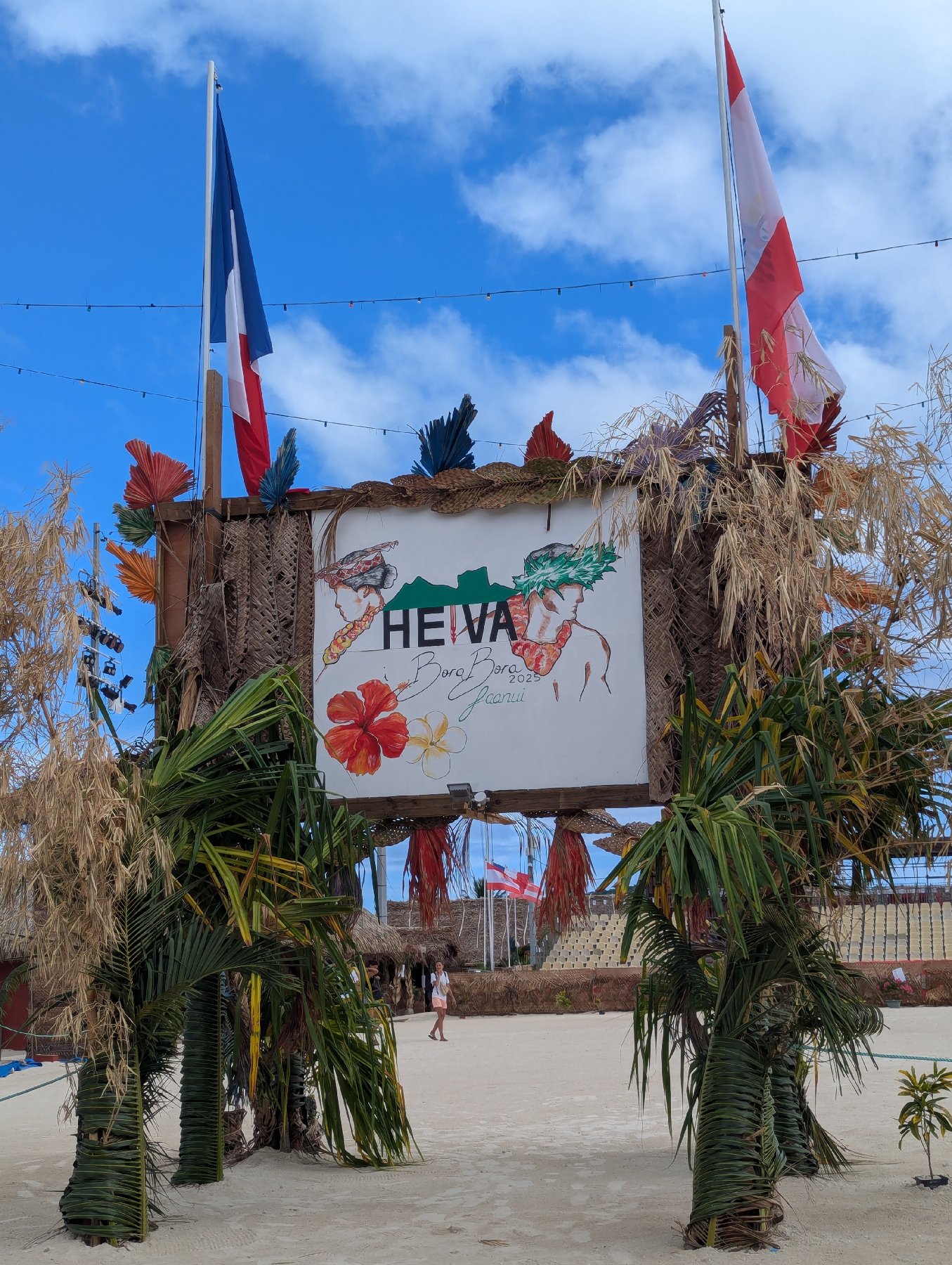
The grandeur of Tahiti's Heiva festivities took my breath away as no other festival has. Then, a short flight to the lagoon paradise of Bora Bora opened my eyes to a smaller-scale yet no less stunning Heiva experience that showcased local dancers from the island's six districts. Here competitors don't perform on stable flooring as they do in Tahiti. Rather, they dance effortlessly on sand in the central public square in Vaitape by the harbor.
Tahitian Games, the sports component of Heiva, is more than an athletic competition. Events testing physical strength and endurance recall the daily lives of ancestors whose survival depended on these skills: stone-lifting, spear-throwing, coconut-tree-climbing, coconut-husking, canoeing, javelin-throwing, fruit-carrier races, wrestling, sailing and outrigger canoeing. Not for the faint of heart.
During an afternoon at Tahiti's historic Vairai Park, I was excitedly out of my element while bouncing between the stone-lifting stage, the spear-throwing field and dangerously fast coconut-husking on the grass. It didn't take long to see that the best athletes come in all shapes and sizes.
Alas, generations-old Heiva festivities celebrating life almost disappeared.
After European Protestant missionaries arrived in 1797, they deemed the rhythmic movements of Tahitian dance as suggestive and inappropriate. They influenced Tahiti's King Pomare II to ban dancing. But it didn't stop the unwavering local people. In secret for decades, they upheld their traditions, keeping alive their legacy, culture and pride.
By 1881, Protestant sway ended when Tahiti was annexed by France. The French began lifting bans, and the festivities returned as the "Tiurai" festival to celebrate Bastille Day. By 1985, French Polynesia gained autonomy and the festival name became Heiva i Tahiti.
Heiva i Tahiti is "an emotional encounter, a meeting with ourselves, a plunge into our age-old culture, made of grace and liveliness, festivities and competitions, diversity and unity."
The phenomenon of Heiva uplifts people around the world -- from Heiva in the United States to Heiva i Paris in France and dancers from all corners such as Mexico, Japan, Switzerland, the United Kingdom and more.
----
WHEN YOU GO
Heiva i Tahiti 2026 is scheduled from July 2 to 18. Sports events are free. Check calendar for dates of performances: tahititourisme.pf/en-pf/events-tickets/all-the-events/heiva-i-tahiti-2026-papeete-en-en-pf-6039188
Where I stayed in Papeete: Hilton Hotel Tahiti: www.hilton.com
Where I stayed in Bora Bora: Le Bora Bora by Pearl Resorts: leborabora.com
Air Tahiti Nui: My eight-hour nonstop midnight flight from Los Angeles delivered me to Tahiti just before sunrise: airtahitinui.com
========
Athena Lucero is a freelance writer. To read features by other Creators Syndicate writers and cartoonists, visit the Creators Syndicate website at www.creators.com.
Copyright 2026 Creators Syndicate, Inc.























Comments