
Sardinia Beyond the Beaches: From Nuraghi to Necropolises
Turquoise waves lap wild coastlines while cobalt-blue waters crash into mining cliffs. In the far southwest Sulcis-Iglesiente region of Italy's island of Sardinia, wild nature and unspoiled landscapes fascinate and entice exploration. But the sun-painted sea, open sky and Mediterranean maquise-embellished earth aren't all that intrigue. The fascinating archaeological finds are also an attraction not to be missed.
Begin in Sant'Antioco, the largest island off the coast of southern Sardinia, connected by an artificial isthmus thought to be built by the Carthaginians and completed by the Romans. The Ferruccio Barreca Archaeological Museum provides a thorough history of ancient seaside civilizations -- from Phoenician and Punic origins extending into the Roman era in Sulky, Italy's most ancient city.
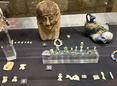
Knowledgeable guide Matteo Piras walks visitors through exhibitions displaying relics from excavations across the island, revealing items from the daily lives of ancient civilizations. One display of objects found in a Punic Age water cistern includes a giant bowl used for making couscous (a typical Tunisian meal), the torso of a second-century ivory doll with movable limbs, fishing hooks and bone tools.
Uphill and adjacent to the museum is an open-air sanctuary called a tophet, where Phoenicians and Carthaginians buried cremated remains of children who died in infancy or were stillborn. At this high viewpoint by the crumbling, moss-covered ancient walls of the city, an azure seascape with cloud-dappled mountains beautifies the sacred area.
Development of the Nuragic Age around 1600 B.C. resulted in the period's characteristic monument, the nuraghe, of which Sardinia has about 7,000 -- with 50 of them found on Sant'Antioco island itself. These nuraghi and evidence of surrounding huts vary in format and shape, but based on their strategically valuable locations, the complexes seem to have served as economic, political and administrative hubs of the territory and were linked to control and protection of resources.
The 14-acre Nuragic complex of Seruci in the town of Gonnesa is one of the largest Bronze Age dig sites in Sardinia, indicating a village that included about 200 huts. Examination of this multitower nuraghe has yielded numerous prehistoric artifacts, including deposits of lead, silver and zinc, testifying to the commercial and daily life of its early inhabitants.
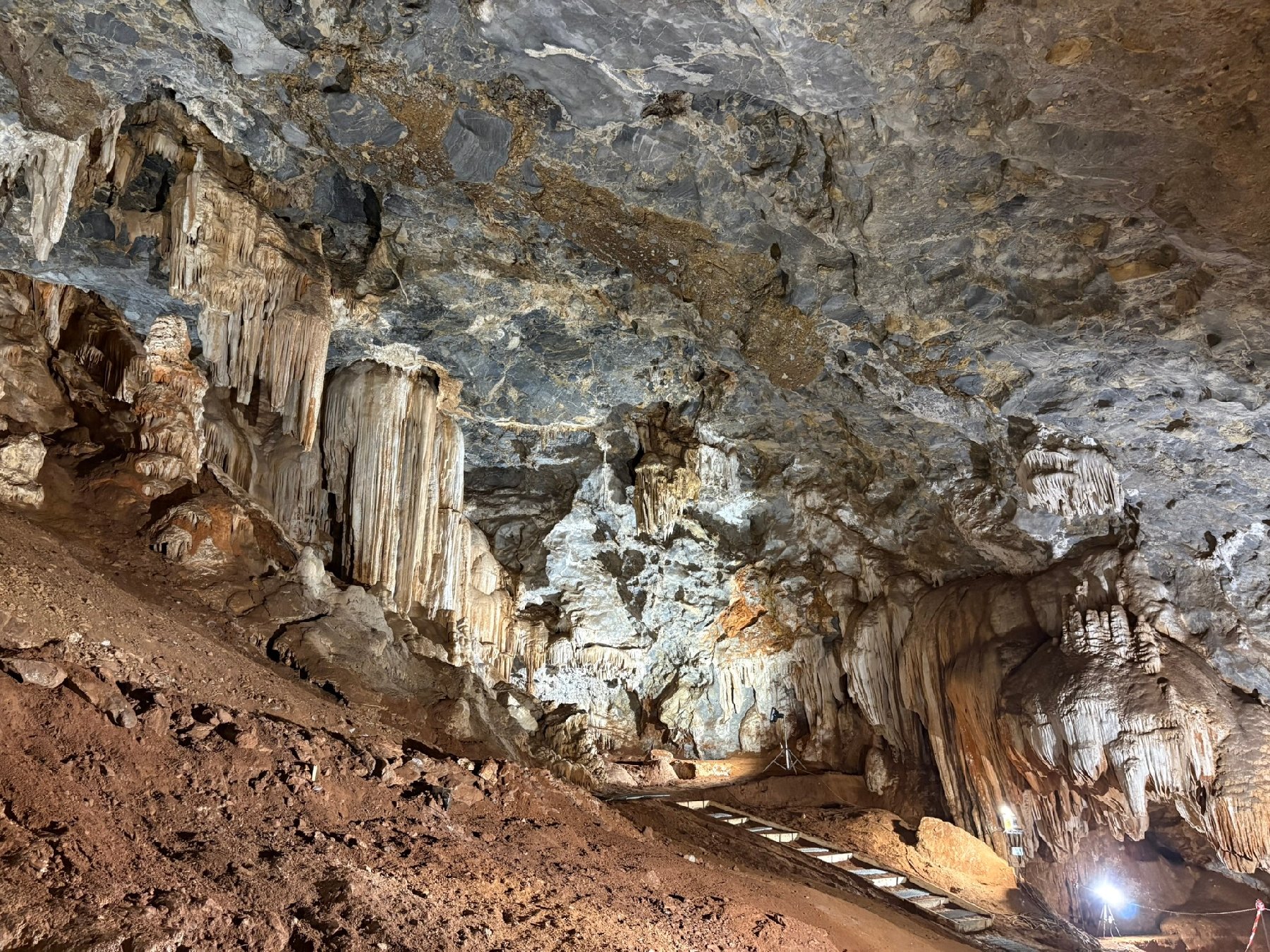
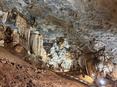
The nearby Sa Marchesa archaeological area was first used in 1882 as a mine for the extraction of these same materials. In recent years, it has turned into a live excavation site as well as a living cave, known as Cave of Acquacadda, with active stalagmites, stalactites, calcite crystals, cave pearls, and a voice deep with echoes and dripping water. Discoveries to date in the cave include copper daggers, intentionally broken ceramic fragments, fig and strawberry seeds, traces of a flameless hearth, and bones from young goats and sheep. Research intends to further investigate cultural, ritual and historical use of the cave's function for the prehistoric people of the Sulcis region.
The Temple of Antas in Fluminimaggiore is an impressive restored Roman structure sitting amidst a meadow. Fragments of this monument's columns and decorative capitals were first discovered in 1838 by Alberto Lamarmora, a scholar fascinated with the search for this distinct building once mentioned by geographer Ptolemy in a second-century script. Now partially reconstructed using original stones and fillers to re-create the front columns and staircase, this elegant sanctuary stands in a breezy sun-drenched field of white springtime daisies with the clang of bell-wearing sheep ringing from across the valley.
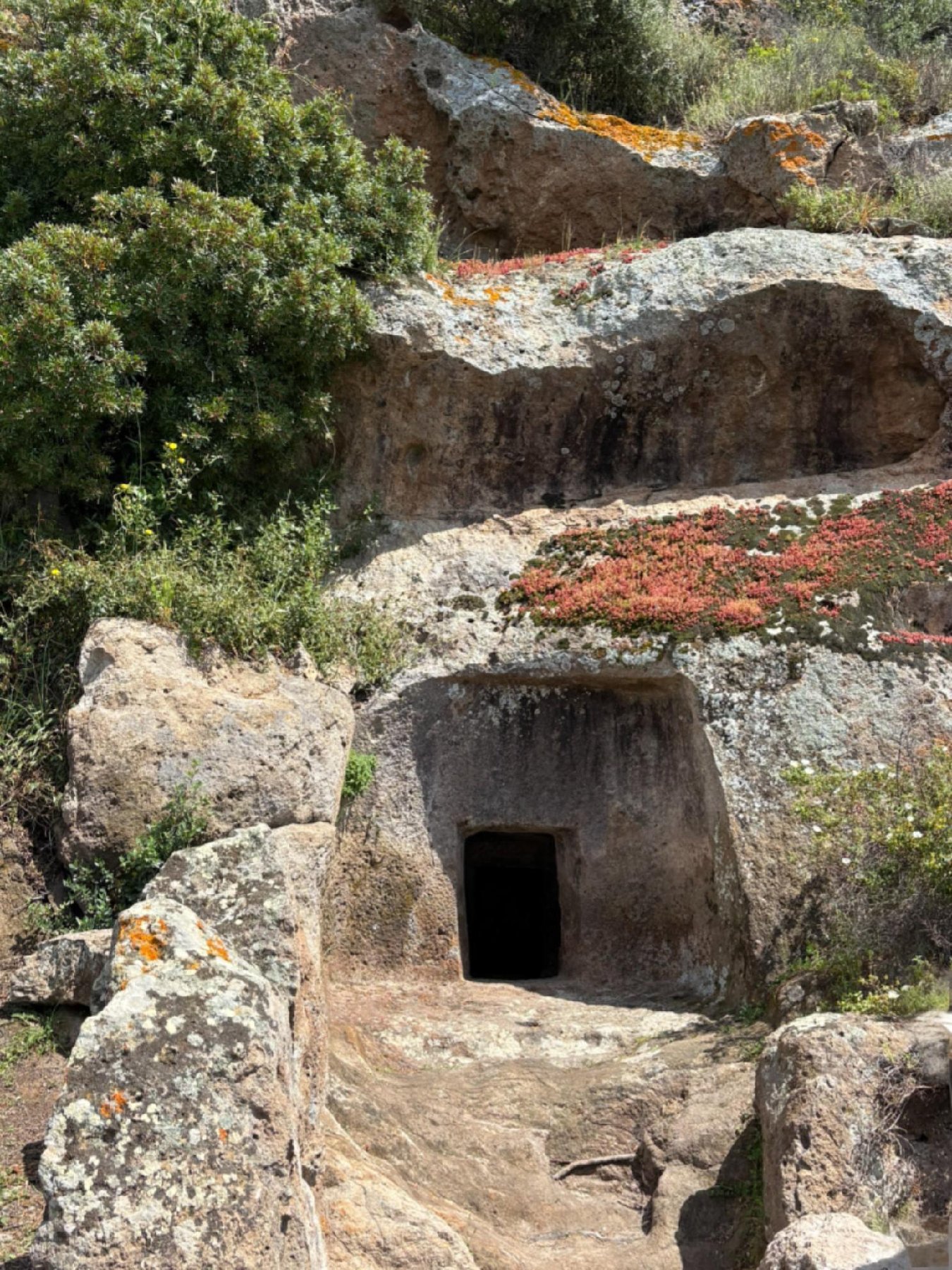
Several prehistoric necropolis sites are found in southern Sardinia, including more than 40 tombs along a rockface in Montessu. The 124-step stone-staircase climb rewards with vast valley views and cheerful birdsong. Tomb 10 from 4000 B.C. is especially interesting to explore. Entry requires climbing through a narrow hole, down a wooden ladder, and into the cool and dark hollowed-out interior. Several tombs show wall-carving motifs of spirals and bulls' horns, indicating religious symbolism in protecting the dead. Another uphill but scenic forest climb at nearby Pani Loriga leads to stone tombs and rocky remnants of a Punic settlement.
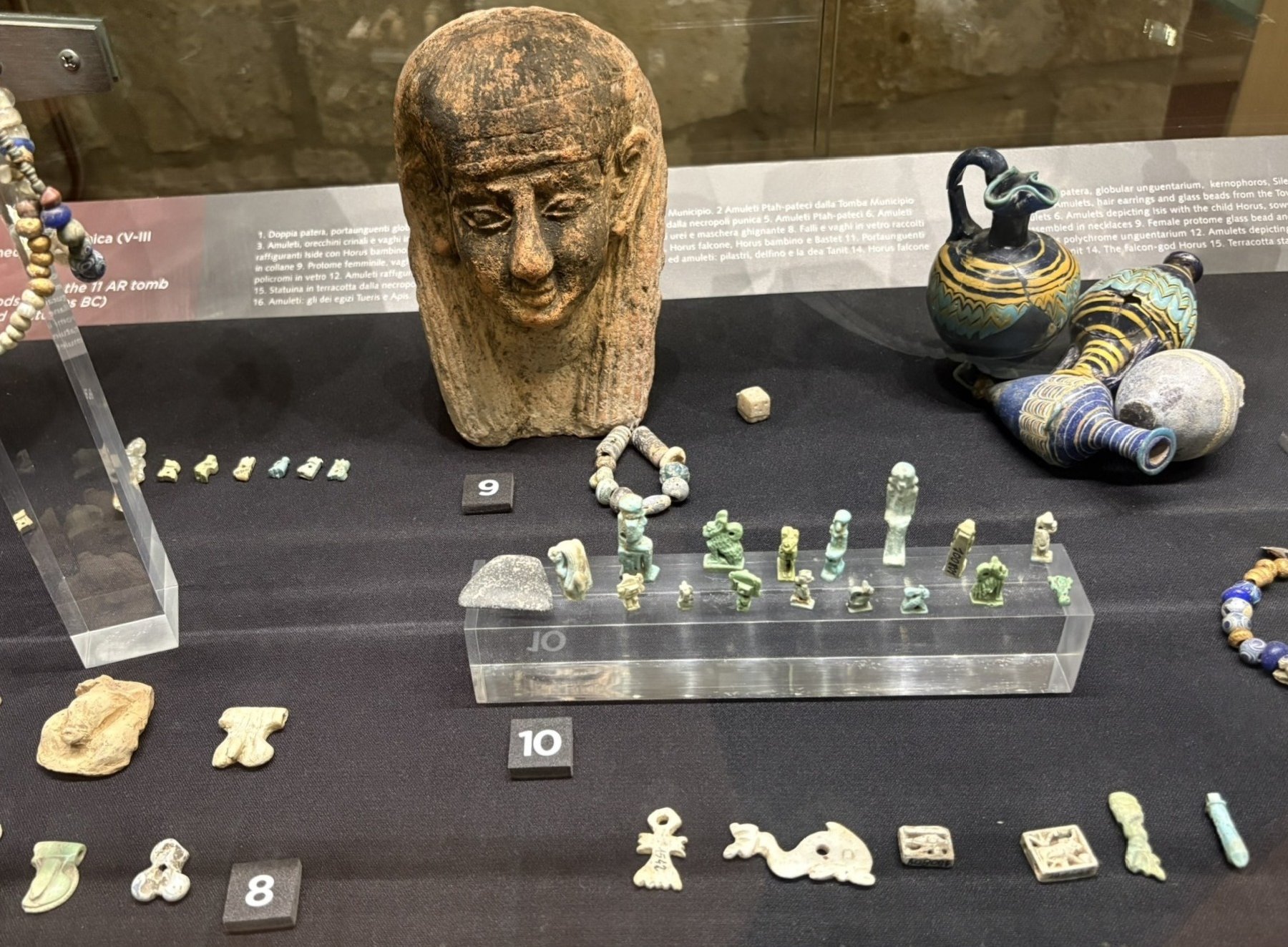
At the Archaeological Park of Monte Sirai, visit the high-settlement area and ruins of the Temple of Ashtart to see where a Nuragic tower and water tank once stood. Altars and religious areas have been uncovered, as well as masks, bronze and terra-cotta statuettes, and a bone plaque depicting the Egyptian deity Bes. A partial excavation of the necropolis reveals that the body and clothing of the deceased were anointed and then decorated with jewelry, amulets and offerings of wine. Burial goods were also placed on the grave post-cremation -- ritual jugs, plates, jewels and ointment bottles.
These historical finds and the personal items, talismans and evidence of everyday life discovered far beneath the land are carefully displayed and ready for study at Sardinian museums. Between eating bowls of delicious crab casca (a typical couscous dish of the Tabarchini community in Calasetta) and spotting rosy flamingos in the lagoon, make sure to soak in the sacred historical sites that helped make Sardinia the culturally rich island it is today.
----
WHEN YOU GO
A good place to stay is the MuMa Hostel on Sant'Antioco itself. Enjoy fresh, fulfilling breakfasts each morning, appreciate waterfront views and explore the onsite Museum of the Sea: mumahostel.it.
Another possibility is to relax at LU' Hotel Carbonia for a luxury stay just a quick drive from crystal-clear beaches and pristine Mediterranean coastline: luhotels.it.
========
Alison Ramsey is a freelance writer. To read features by other Creators Syndicate writers and cartoonists, visit the Creators Syndicate website at www.creators.com.
Copyright 2026 Creators Syndicate, Inc.

























Comments