
Yes, you should spring clean your houseplants
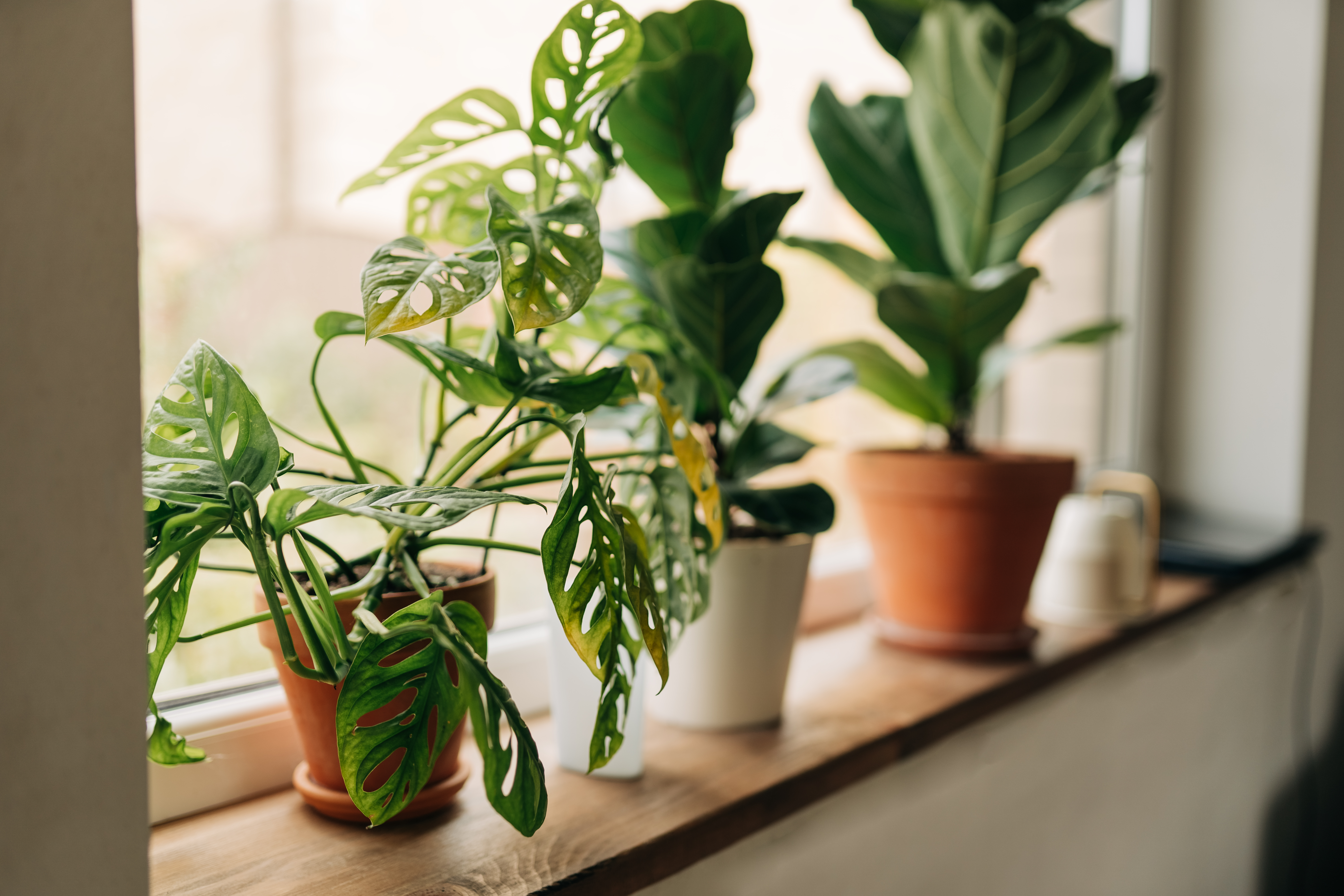
With the arrival of spring sunshine, houseplants begin to wake up from their winter dormancy, which is the perfect time to give them a refresh. Use this guide to spring clean all your houseplants properly.
1. Take stock
After the winter months of low light and slower growth, your houseplants may look a bit disheveled. A little “bed head” is completely normal. Start by assessing each plant as you would in the outdoor garden.
Look for signs of stress, pests, and disease (wilting, weak or dead foliage, holes in the leaves, visible pests, or mottled foliage). If something looks off, isolate the affected plant and try to determine the cause. In some cases, a simple shower or removal of the problem leaves is all it takes to remedy the situation.
2. Prune off dead or unhealthy parts
When pruning, use a clean bypass-blade pruner or snipper (the blades cross each other like scissors) that is safer for delicate growing foliage. If disease is present, disinfect the pruners between cuts and plants with a diluted bleach solution.
Trimming away unhealthy foliage helps plants conserve and redirect energy to fresh, healthy growth. Clean away fallen debris, old flowers, and leaves to let the soil breathe and help prevent mold or fungus gnats. Remove any plants or stalks that are dried out, brown, and crunchy. If some of the stalk is green, cut above a green leaf node or leaf.
If your plant has been overwatered, it may present with yellowing leaves or mushy, blackening stalks, which are classic signs of rot. Cut back affected areas, cutting above the highest green node or leaf.
If you suspect root rot, pull the plant out of its pot. If there are still firm and healthy white, green, or gray roots, prune away any black mushiness and leave the soil exposed for a few hours to dry out. Repot, and don’t water again until you see new leaves emerging.
3. Rinse and repeat
For outdoor plants, cleansing rain showers help wash away dirt and pests. You can help your indoor plants with a sponge bath or a gentle shower. Remember to wash both sides of the leaves — pests like to hide and lay their eggs under leaves and in the joints where they meet the stalk.
Move small plants to the sink, or larger ones to the shower. If you have access to a deck, you can hose your plant outside or let it sit in the rain (assuming temperatures are above 60 F). Make sure to use a soft spray setting.
For plants too heavy to move, like an 8-foot-tall fiddle-leaf fig, consider putting it in a large tub and giving it a bath with a wet cloth or sponge. For plants with tender or fine-textured foliage like ferns or polka-dot plants, it’s easier to dunk them in a bucket of water a few times to rinse them off.
There are some special exceptions: some plants, notably African violets, orchids, and succulents, dislike having moisture sit on their leaves. A soft-bristle toothbrush, paintbrush, or makeup brush can clean up fuzzy violets, while a smooth cloth is best for orchids and succulents.
Remember that water temperature matters. Most houseplants are tropical plants, preferring temperatures hovering between 55 F to 75 F, so room temperature to lukewarm water is best.
(Better Homes and Gardens is a magazine and website devoted to ideas and improvement projects for your home and garden, plus recipes and entertaining ideas. Online at www.bhg.com.)
©2026 Dotdash Meredith. All rights reserved. Used with permission. Distributed by Tribune Content Agency, LLC.



























Comments