Home & Leisure
/ArcaMax
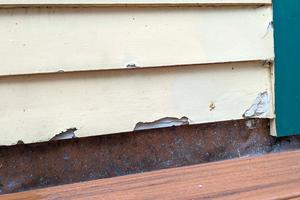
Ask the Builder: Using epoxy for exterior repairs
Several days ago I had a phone conversation with Wayne, a very good friend, after he and I completed our morning ritual Morse code conversation. He approached me at the ripe age of 74, wanting to learn Morse code. I took him under my wing, and now he’s very proficient.
He asked me about repairing a concrete curb in his rear yard. A chunk ...Read more
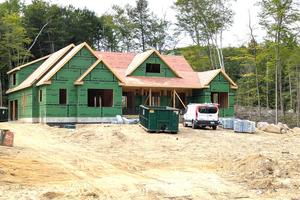
Ask the Builder: ADU and new home cost calculator
You may be sitting on the fence about building a new home or accessory dwelling unit (ADU), wringing your hands and wallowing in worry about what it’s really going to cost. You’re frozen with fear that the price of your project will exceed your budget by many thousands of dollars.
The risk is multiplied if you’re about to engage an ...Read more
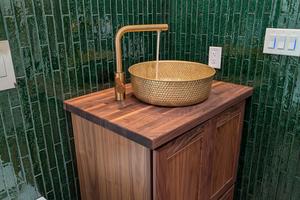
Ask the Builder: Vessel sink planning and installation
I installed a stunning vessel sink two weeks ago at my son’s house. We’re in the homestretch of a large basement remodeling project. It’s fulfilling to see all of our hard work and planning pay off.
My biggest thrill has been watching him soak up building knowledge like a bone-dry sponge. Ask my sweet, loving wife, and she’ll tell you ...Read more
Ask the Builder: Cleaning and sealing exterior wood
Two weeks ago, I was cleaning the top and bench seats of one of 10 picnic tables that can be found on the beach here in my HOA. I live on the shore of Lake Winnisquam in central New Hampshire, and the tables are exposed to harsh sunshine from sunrise until late afternoon. The ultraviolet (UV) rays from the sun punish the treated-lumber tables.
...Read more
Ask the Builder: Septic tank magic — sewers too!
I’m willing to bet you an Aglamesis two-step hot-fudge sundae made with mocha-chip ice cream that you give very little thought to the many holes you use each day in your home. I’m talking about the holes at the bottom of your tub, shower, vanity sink, kitchen sink, toilet, and washing machine drain.
The things you put in all those fixtures ...Read more
Ask the Builder: Decide what products and materials you'll need while you plan
A few days ago I drove through Franconia Notch on the west side of the White Mountains of New Hampshire. I was on my way to do an in-person consultation for a retired gentleman. I left an hour early to treat myself to a full stack of blueberry pancakes drenched in real maple syrup. It turns out this man’s house was just a few miles from Polly�...Read more
Ask the Builder: Time tested tile tips for backsplashes
I’ve had the enormous pleasure over the past months to pass down hard-earned knowledge to my son about many aspects of construction. He and I are working together to finish the basement in his new home that he purchased four years ago. Ask my sweet wife and she’ll tell you that it’s always been my dream to help my kids build or improve ...Read more
Ask the Builder: How not to lose your money and marbles
I started writing this syndicated column in October 1993. My goal back then was, as it still is, to do whatever possible to save you money and maintain your sanity while navigating a large or small project like building a new home or remodeling a bathroom.
The following true story should tattoo on your brain the importance of having all your ...Read more
Ask the Builder: A clever plumbing access panel solution
I had the most interesting experience in the past few days. I made a great new friend, a doctor who hired me to solve a vexing problem in his wife’s bathroom.
Within hours of first making contact with this retired Chicago cardiologist, I felt as if we were best friends from college days. This doctor is a regular reader of my column in the ...Read more
Ask the Builder: How’s your honey-do list coming along?
The honey-do list at my home never seems to get smaller. Each time I complete a task, another one or two gets added to the list. Just last week I had to replace two ceiling light fixtures in a bathroom. The electronics in them went bad, and they started to blink on and off. My wife was not too happy about this unwanted light show.
You can do ...Read more
Ask the Builder: The reality of a big DIY project
Are you thinking of rolling up your sleeves so you can complete a large DIY project? I’m talking about one that may require hundreds, or thousands, of hours of labor. Before you do, I urge you to think about the size of the elephant you’re trying to eat. Yes, you can eat an elephant, but it’s best to do it one bite at a time, and the meal ...Read more
Ask the Builder: Invest in advice before you sign a contract
I saved a single mom $15,000 a few days ago. She and I were both overjoyed, as you might imagine. I can’t begin to describe how fulfilling it is to see the bright-eyed look on a customer’s face when I share good news like this.
This young woman purchased a house north of the White Mountains in New Hampshire. Her grandparents had built it. ...Read more
Ask the Builder: An alternative blacktop patching method
You may have an asphalt or blacktop driveway as I do. Mine was installed 25 years ago and is in good condition. The mix ordered at the asphalt plant was key to its longevity. The stones in the mix are larger than normal.
Keep in mind that blacktop is much like concrete. It’s a blend of stones, sand, and liquid asphalt cement. The ingredients ...Read more
Related Channels

America's Test Kitchen
By America's Test Kitchen

ArcaMax Chef
By ArcaMax Chef

Ask The Vet
By Dr. Lee Pickett

Celebrity Travel
By Jae-Ha Kim

Dear Monty
By Richard Montgomery

Do It Yourself Or Not
By Gene and Katie Hamilton
Eric's Autos
By Eric Peters

Everyday Cheapskate
By Mary Hunt

Focus on the Family
By Jim Daly

Georgia Garvey
By Georgia Garvey
Here's How
By

Jeff Rugg
By Jeff Rugg

Lenore Skenazy
By Lenore Skenazy

Living Space
By Kathryn Weber

My Pet World
By Cathy M. Rosenthal

Real Estate Matters
By Ilyce R. Glink and Samuel J. Tamkin

Recipes by Zola
By Zola Gorgon

Rick Steves' Europe
By Rick Steves' Europe

Taking The Kids
By Eileen Ogintz

Travel & Adventure
By Various authors

Travel Troubleshooter
By Christopher Elliott
Comics