Nazis looted this Austrian portrait. Now it's displayed in a Minneapolis museum
Published in Lifestyles
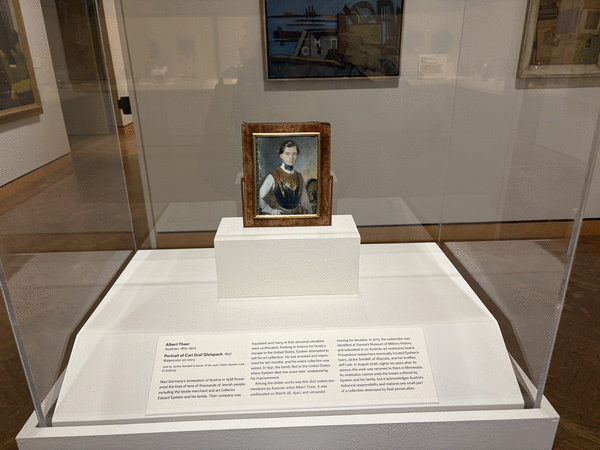
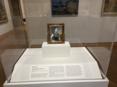
MINNEAPOLIS — It’s so tiny that you might walk right past it without noticing: A 2-inch-by-3-inch 1847 watercolor portrait of a virtually unknown officer in the Austrian Empire’s army.
But its story is as big and powerful as the Minneapolis Institute of Art (Mia), where it is on display through May.
For many years, the tiny portrait by Albert Theer, an obscure Austrian painter, languished at the Museum of Military History in Vienna ― until the Austrian government discovered Nazis stole it from Eduard Epstein, a Jewish merchant in Vienna. That meant the painting was subject to restitution.
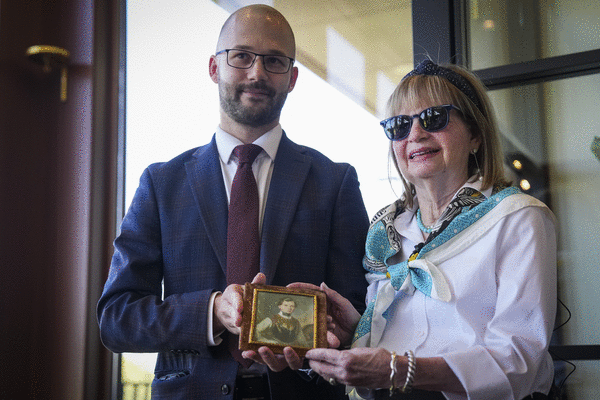
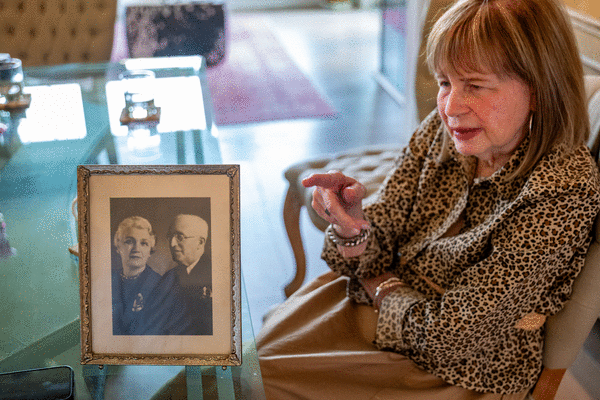
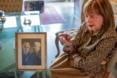
In August, the Austrian government returned it to siblings Jackie Sondell, 78, of Wayzata, Minnesota, and Jeff Lieb, of Lake Forest, Illinois — Epstein’s heirs.
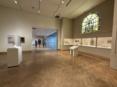
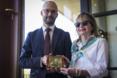
After news of the restitution spread, Mia contacted Sondell to exhibit it at the museum’s third-floor Judaica Gallery. Curators thought its presence would help continue conversations sparked by “Modern Art and Politics in Germany 1910-1945,” which was on view at Mia earlier this year.
“It seemed like a great opportunity to ... think about how issues of Nazi looting and repatriation and restitution were relevant to our local community ― to have this story about someone in our community who, sort of as a surprise, received this restituted object from a relative’s collection,” said Galina Olmsted, Mia’s associate curator of European art.
Although the painting had only been in Sondell’s possession for a short time ― and she lived in the Chicago suburbs until about nine years ago — she felt that the piece belonged in Minnesota.
“The picture was sent 86 years later,” Sondell said of the work, which was stolen in 1940. “It’s just too bizarre.”
She credits Minnesotans with helping her connect with the Austrian government in her effort to get the painting returned. She linked the return to Minnesotans “standing up for what they believe in,” she said, particularly the resistance to ICE last winter.
From Austria to Minnesota
Dr. Kurt Edward Witte, honorary consulate of Austria for Minnesota, helped Sondell and Lieb find the right people in the Austrian government.
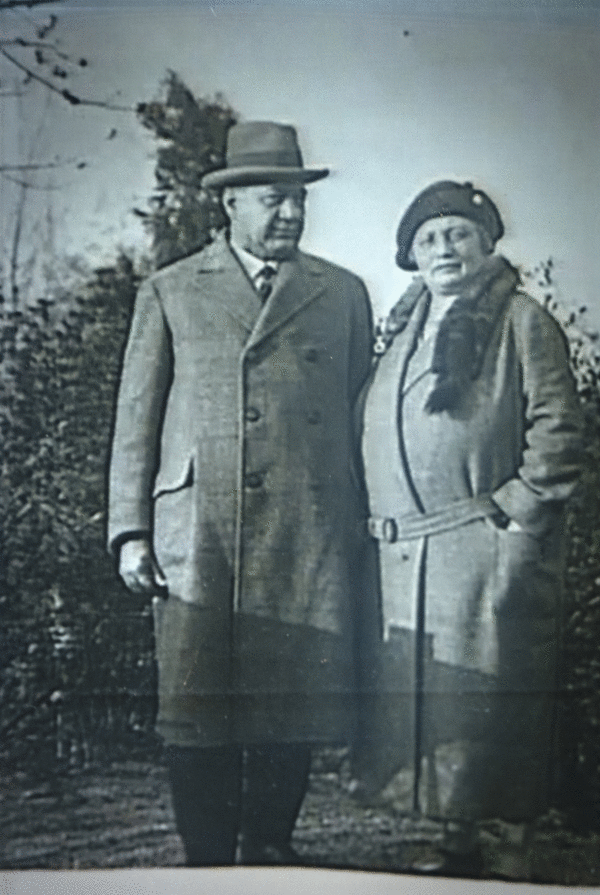
Epstein died in New York in 1943. Sondell and Lieb’s aunt Helen, who died in 2000, was Epstein’s daughter.
This story of restitution hit close to home for Sondell, who lost three grandparents in the Holocaust. She hopes having the painting at Mia will help educate young people about the Holocaust.
The story of the painting is just as unusual as the tale of its restitution.
Original owner Epstein was a successful merchant in the Viennese textile industry. In 1938, as the Nazis tightened their fascist grip on Europe, Epstein attempted to sell his art collection to finance an escape.
Researchers told Sondell that Epstein was arrested when he tried to sell the art, which Nazis seized on March 28, 1940.
He was caught and put in prison for 10 months. He managed to flee Austria in 1941 — but this artwork stayed behind.
Portrait miniatures usually stay in the family of the person who posed for the painting, Mia’s Olmsted said, but that’s not why this piece matters.
“It’s really more about the story of restitution and what that means for Jackie and her family — the acknowledgment of the harm done by Nazi persecution in Austria at that time,” Olmsted said.
The painting’s provenance states that the sitter is Carl Graf Gleispach, a second lieutenant in the Austrian army. The museum purchased it from “Eduard Isr. Epstein” for 100 Reichsmarks, or about $40 at the time.
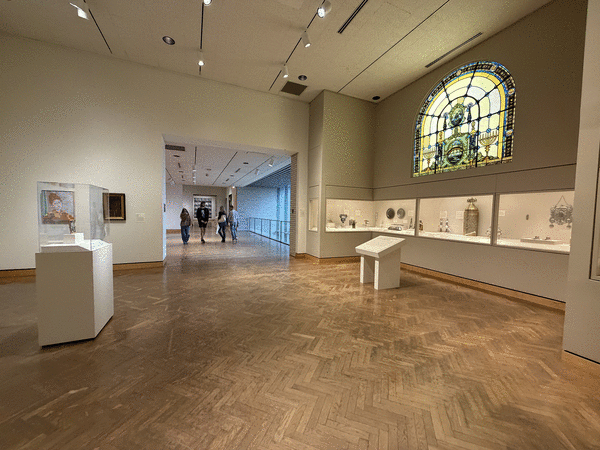
The portrait is now sitting at Mia in a glass case, facing Jacob Jack Liebenberg and Chester Weston’s 1927 half-circle stained-glass window that features important symbols in Judaism. Together, the two artworks feel in conversation.
As Sondell searched for a connection to the Austrian government, she recalled joking with Witte about the painting.
“It’s not like it’s the Mona Lisa,” Sondell said. “It’s not worth that much.”
But its worth spoke louder than dollar bills.
The return of the painting and an apology from the Austrian government were small gestures acknowledging one of the greatest harms done in human history.
For Sondell, it’s a symbol of hope — and an opportunity to learn more.
“I could have sent it to the [Illinois Holocaust Museum & Education Center], but they have enough there,” she said. “We don’t have enough in Minnesota. I want people to be educated.”
©2026 The Minnesota Star Tribune. Visit at startribune.com. Distributed by Tribune Content Agency, LLC.





















Comments