Is Mike Johnson’s House Shutdown a Warning Sign for Cannabis
Published in Cannabis Daily
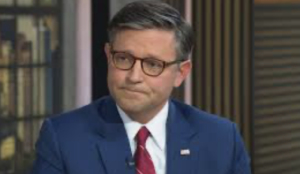
With Congress turning its attention to the midterm elections, war and government funding, cannabis businesses and more than 400,000 workers are once again left waiting for Washington to deliver meaningful federal reform. For the marijuana industry, Washington’s latest political calendar feels like a familiar—and frustrating—movie. After the latest ploy, is Mike Johnson’s House shutdown a warning sign for cannabis? House Speaker Mike Johnson and Republican leaders have dramatically shortened the House’s September schedule, with lawmakers now expected to return September 14 for just four days before heading home to campaign ahead of the November 3 midterm elections. The House had originally been scheduled to conduct substantially more legislative business this month. For cannabis operators, it matters. The industry has spent years waiting for Congress to address the federal policies continuing to make operating a state-legal cannabis business unnecessarily difficult. Banking reform, tax relief, interstate commerce and broader federal legalization remain unresolved. Despite the overwhelming acceptance of legal cannabis by the population, the political window for getting anything significant done in 2026 is rapidly closing. And this time, the distraction isn’t simply partisan gridlock Washington is juggling the midterm elections, government funding, inflation and the ongoing U.S.-Israeli war with Iran. Congressional leaders have already used much of their limited floor time dealing with government funding. The current President signed legislation September 2 extending federal funding through December 11, removing one immediate crisis but leaving Congress with little appetite—or time—for major policy battles before Election Day. For cannabis, the timing is particularly frustrating. There has been genuine movement on rescheduling in 2026. The Justice Department and DEA placed FDA-approved marijuana products and marijuana products covered by state medical marijuana licenses into Schedule III earlier this year. The broader effort to move marijuana from Schedule I to Schedule III, however, is still going through the federal administrative process. The DEA held formal hearings on broader rescheduling beginning June 29. This means the cannabis industry isn’t starting from zero. But it is still waiting for the kind of comprehensive federal change which will fundamentally alter the economics of the business. One of the biggest issues is Section 280E of the tax code. Even with Schedule III progress, the industry continues to need clarity about how federal tax treatment will ultimately change for different cannabis businesses. Banking is another major unresolved problem. The SAFE Banking Act was reintroduced in Congress this year, but state-licensed cannabis businesses still don’t have the same banking protections available to virtually every other legitimate American industry. And the people waiting aren’t just executives at large cannabis companies. They are small dispensary owners, cultivators, manufacturers, retailers and entrepreneurs who built businesses around state legalization while knowing federal law could still undermine their economics. There were 36,169 active cannabis business licenses nationwide in the first quarter of 2026, according to CRB Monitor, and the number has been falling for years as the industry consolidates. While not every license represents an independent “mom-and-pop” company, the industry’s business base is overwhelmingly made up of small operators. A reasonable shorthand is tens of thousands of small and independent cannabis businesses, rather than a market dominated exclusively by large multi-state corporations. Then there are the workers. The 2026 Vangst Cannabis Jobs Report estimates 412,500 people are employed in legal cannabis across the United States. This is down from 425,002 the previous year, making the employment decline another indication the industry is already under economic pressure. Those 400,000-plus workers are waiting for the same thing business owners are waiting for: certainty. The cannabis industry has survived prohibition, legalization battles, regulatory upheaval, oversupply, falling wholesale prices, high state taxes and a federal-state conflict that has lasted for decades. What it needs now is a federal framework that allows legitimate businesses to operate like legitimate businesses. Instead, 2026 is beginning to look increasingly like another year of“wait and see.” There will technically be a post-election opportunity. The House is expected to return for a lame-duck session beginning November 9, meaning Congress could still act before the 119th Congress ends. But counting on a lame-duck Congress to deliver sweeping cannabis reform is a risky proposition. For thousands of cannabis businesses—and hundreds of thousands of workers—the question is no longer simply whether Washington supports cannabis reform. It’s whether Washington can find the time to actually do something about it. And right now, the answer increasingly appears to be: not yet.
The Fresh Toast is a daily lifestyle platform with a side of cannabis. For more information, visit www.thefreshtoast.com.























Comments