
Ready for a Culinary Adventure on Your Next Road Trip?


----
By Victor Block
When Bob and Alice Brown set off on a cross-country road trip, they looked forward to making it an exploration of regional and local food along the way. After all, they surmised, in addition to monuments and memorials, stories from history and local lore, what people in different areas of the country grow and consume also represents an important part of their culture and lifestyle.
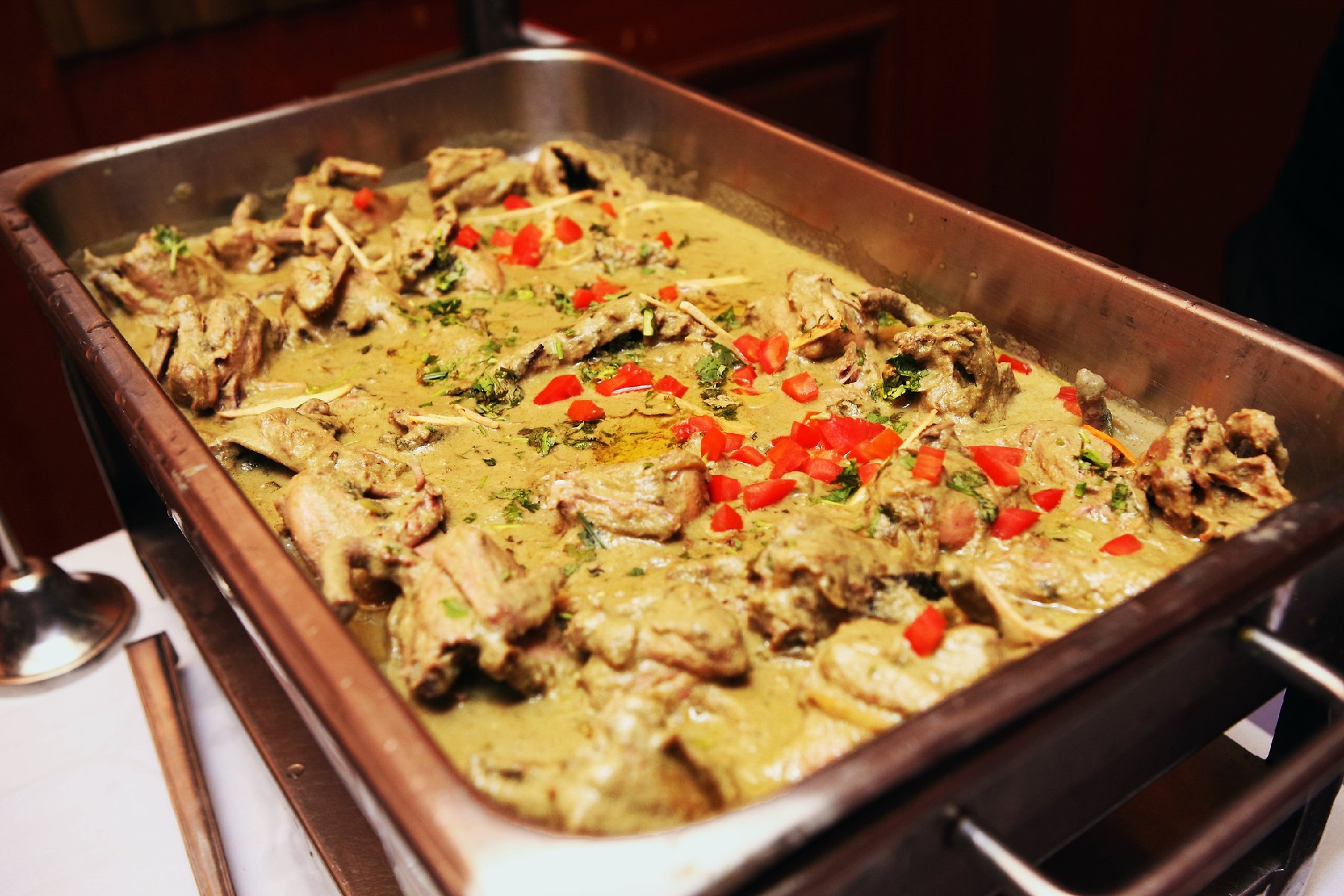
To their surprise, it didn't take long for the Browns to encounter some unexpected challenges. They had not anticipated, for example, that squirrel is a favorite food in West Virginia. Hunters there have long have sought out and brought home those varmints when they didn't spot more tempting prey through their gun sights. Frying is the preferred method of preparation, although some people also like it curried.
Accepting the test, the Browns moved ahead, munching on edibles that were new to their palates and taste buds. They joined other travelers who see the opportunity to sample body parts of animals they had never anticipated eating as part of an immersion in the culinary culture of cities, states and regions of the country awaiting discovery -- and digestion.
Cow brain sandwiches became a popular food in St; Louis in the 1880s, when that city's stockyards were in their heyday. In recent years, pigs sometimes are substitutes for their larger cousins. Brave souls in Colorado like to munch on bull testicles, known as Rocky Mountain oysters, which are removed as part of normal veterinary practice, then skinned, coated in flour and deep-fried. People in the South prefer lamb testes.
When I'm on the road, I love to find restaurants that serve up foods that have been part of local life, sometimes for generations. Sampling them can be both pleasurable and educational. I begin with some online research, then after arrival at my destination I ask residents where they dine when they're in the mood for homegrown vittles. They often steer me to neighborhood restaurants that are popular with people who live nearby but below the radar of most visitors.
I also keep in mind the observations of Jose Andres, the world-renowned Spanish American chef and restaurateur, about different regions of the United States. He has described the North as "the land of butter and cheeses, milk and cream"; the South as "the land of olive oil"; the East as famous for rice and Mediterranean cuisine; and the Inland region for its focus on lamb.
Even then, Andres' observations only scratch the surface of regional and local foods encountered around the country. In the early 1900s, Italian immigrants to Binghampton, New York, brought with them spiedie. Pronounced "speedy," that name is believed to have come from spiedo, Italian for spit, because after being marinated, the chicken, beef or lamb is skewered and grilled over fire or charcoal.
It was people from Africa who settled in New York City's Harlem neighborhood who get credit for introducing the culinary culture there. It was combined with Southern dishes such as fried chicken, corn bread and collard greens.
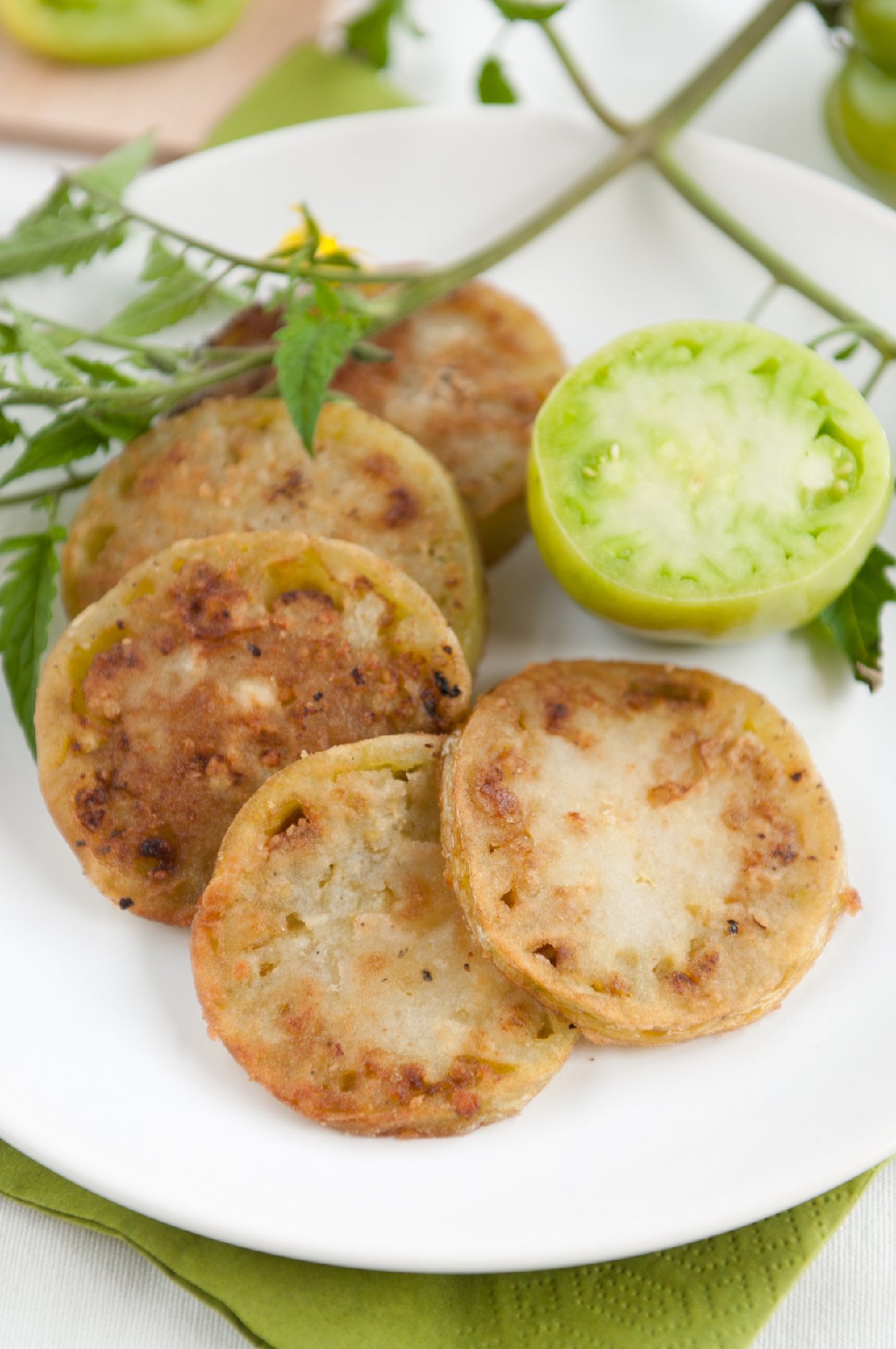
It's green tomatoes that are fried in Cincinnati, after being coated in cornmeal. That recipe is believed to have originated in the South during the early 19th century, when green tomatoes were plentiful on the vine before the arrival of frost.
Resourceful Southern cooks began experimenting with various ways of preparing them, and frying proved to be a flavorful and practical solution as it made use of the underripe fruits that typically would not have been eaten otherwise. Fried green tomatoes eventually became synonymous with Southern comfort food.
Peanuts also fit that description. Around the time the Spanish began their exploration of the New World, explorers took peanuts back to Spain. From there, traders introduced them to Africa and Asia. Then Africans brought them to North America, where they were planted throughout the South.
George Washington Carver, the agricultural scientist and inventor, proposed that they be planted as a rotation crop in farmers' fields. This procedure was especially valuable in Southeastern cotton-growing areas when boll weevils threatened cotton crops. Peanut production flourished, and Carver went on to discover more than 300 uses for the legume, including coffee, shaving cream, leather dye, ink and shoe polish.
While shaving cream and shoe polish have little to do with food, they are part of the story of agriculture in the United States. Other aspects of that narrative can be explored during a culinary road trip close to where you live or farther from home.
----
WHEN YOU GO
For more information: onlyinyourstate.com
Victor Block is a freelance writer. To read features by other Creators Syndicate writers and cartoonists, visit the Creators Syndicate website at www.creators.com.
----
Copyright 2026 Creators Syndicate, Inc.

























Comments