Hiking Spain's Wild Coast in Galicia
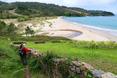
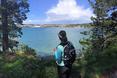
Serendipity -- an unexpected delight -- is the word that comes to mind when describing the seven-day hike my wife and I did along the coastline of Spain's northwestern province, Galicia. It's called "the last unspoilt coast in Europe" for good reason. Anyone who is adventurous, loves traveling to Europe and is fit enough to do 7- to 10-mile hikes should seriously consider doing this one.
A travel company called On Foot Holidays developed the itinerary, which made it fun and logistically easy. We could hike at our own pace using the daily maps and trail descriptions. This gave us the freedom to go without a guide or other travelers, while still benefiting from a high level of local support. Our hike along the Lighthouse Way, or Camino Dos Faros, proved to be one of our all-time favorite adventures.
So what made the hike so special?
On Foot Holidays provided a detailed pre-trip package that included a set of daily maps and trail descriptions along with a custom-written guidebook about the region and suggestions for how to prepare. The company booked our lodging each night and arranged for a taxi to take our baggage to the next destination so that we only carried our daypack essentials. Each day the company's local expert kept us informed about the weather forecast and made special taxi arrangements when we opted to shorten a longer trek.
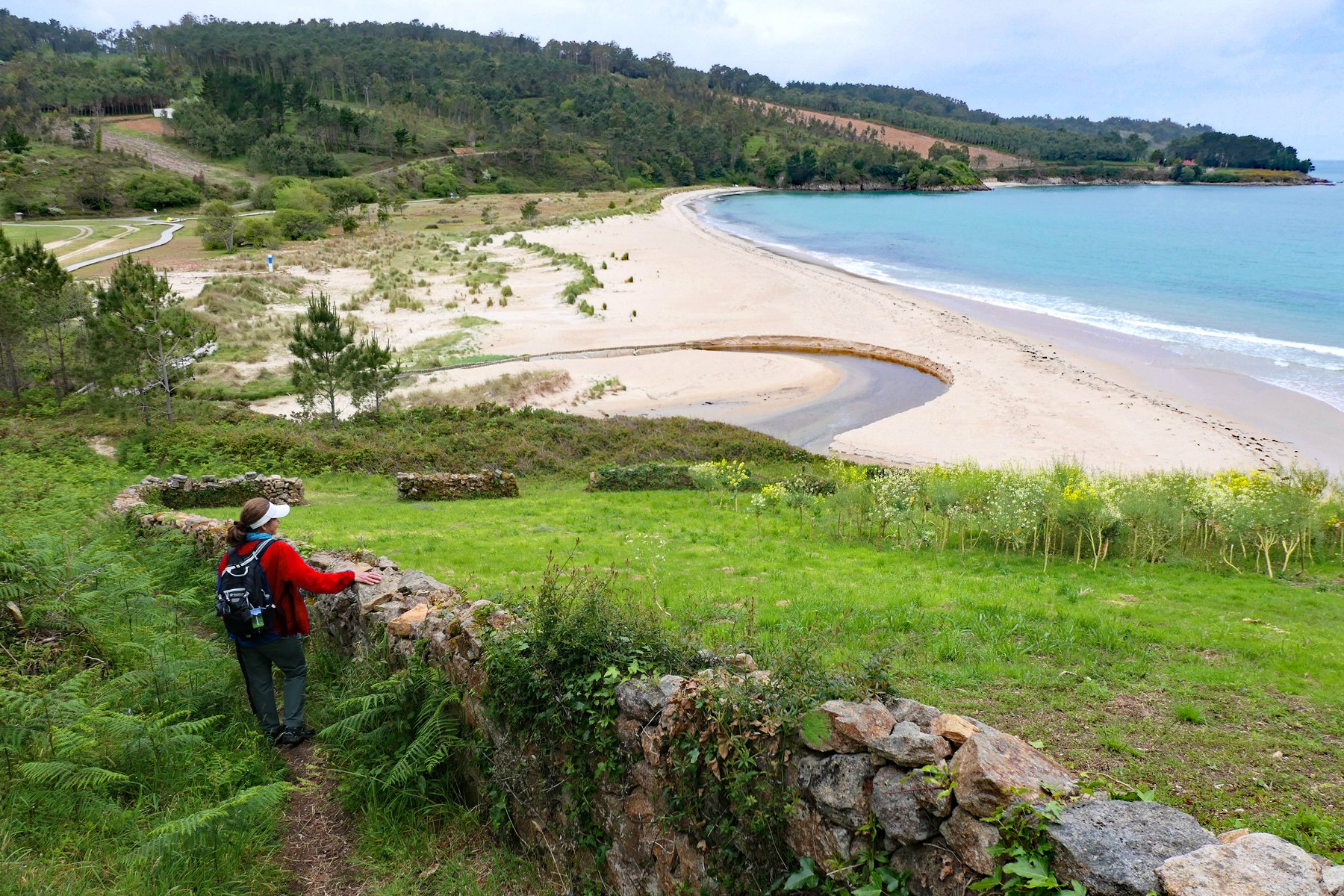
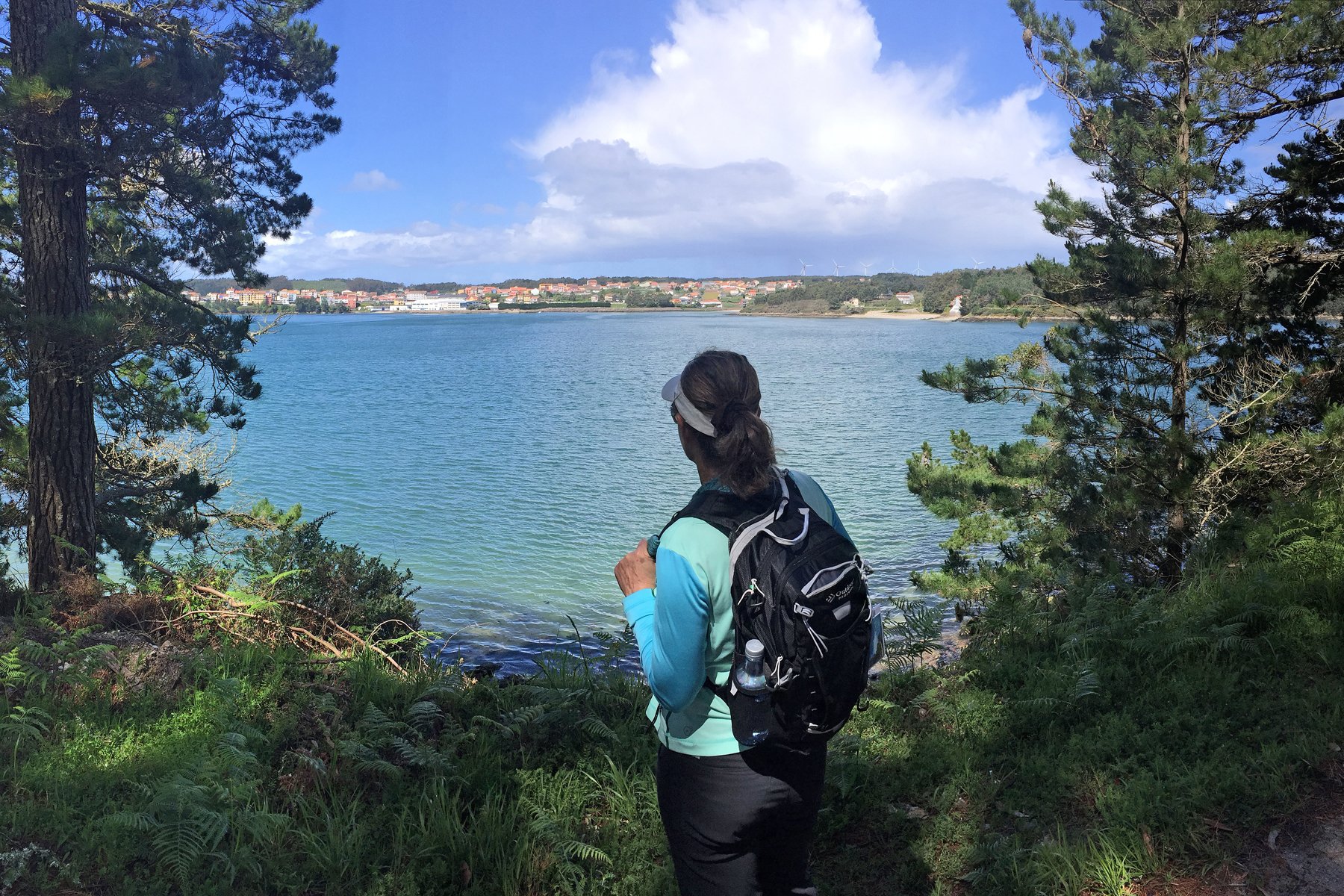
The variety of the trails and scenery made every hike a surprising treat. Single-track trails in grassy meadows soon became double tracks that paralleled a wide bay before heading through pine and eucalyptus forests cloaked in rich green ferns. One spectacular trail snaked along the upper reaches of a steep, rocky cliff overlooking the pounding waves of the Atlantic Ocean. That same trail led us across 2 miles of undeveloped beaches, with no people or development to be seen. Eventually we stopped at a small village cafe for some local Estrella Galicia beer and freshly baked bread with cold cuts.
In the spring there was a profusion of flowers, including purple foxgloves, dazzling yellow gorse (Galicia's iconic, spiny shrub that emblazoned entire hillsides), white daisies and countless others. The ocean, however, was the star of the show, with powerful Atlantic swells rolling toward the shore in a steady procession, cresting and breaking with a ferocious intensity.
At one rocky promontory we came across a touching stone memorial for the 172 British sailors who drowned when their ship sank in 1890 on this aptly named "Costa da Morte" or "coast of death." Not surprisingly, our hike was called the Lighthouse Way after the lighthouses built to warn ships of the danger along this treacherous coast.
Silence and solitude were the hallmarks of each day's sojourn. The only sounds we heard were birds chirping, the wind blowing through trees or the waves breaking against the shoreline. The air was clean and the temperature brisk with frequent intervals of cloudy, cool, windy and rainy weather interspersed with glorious bursts of sunshine.
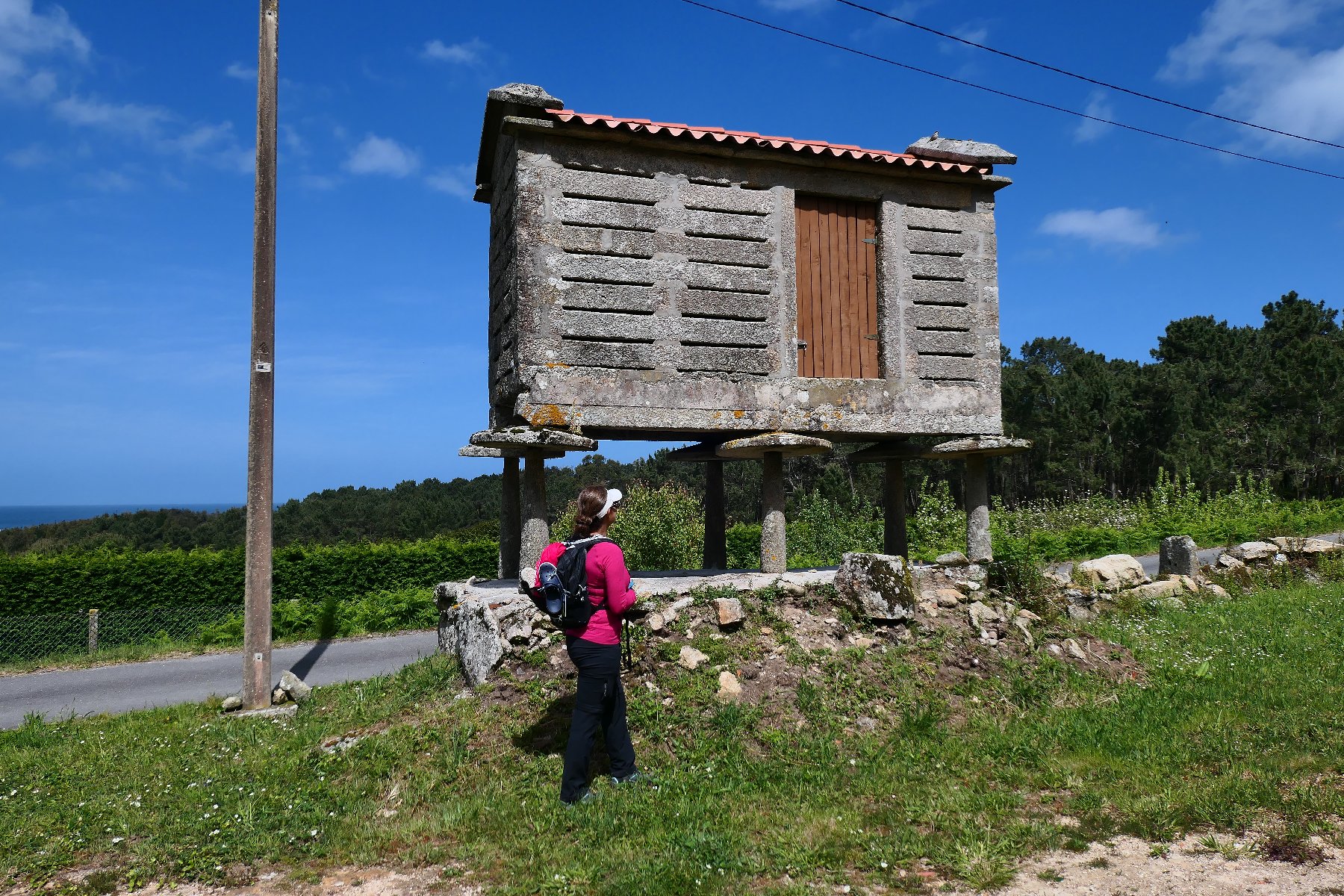
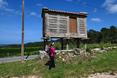
Aside from the beauty of the countryside, what made this hike extra special was our ability to stay in varied accommodations in small towns and villages that we would have never otherwise visited. Virtually all homes in the region were well kept and neatly painted, mostly white but some in baby blue, light green or yellow. Of particular interest were the rectangular stone structures, called horreos, that perched several feet above the ground on mushroom-shaped stone pedestals. These serve as a rodent-proof grainery during winter months.
We found the local people to be friendly, welcoming and honest: In one small shop the owner took away my eight-euro bottle of wine and replaced it with a three-euro bottle, explaining that it was much better. During a sudden rain shower, a man invited us into his home for tea or coffee. In Santiago, a woman walked a block out of her way to show us the way.
While Galicia is famed for its seafoods, the menus focus mainly on octopus, various types of shellfish and their coveted delicacy, barnacles. The local beer, which we combined with fresh bread and cheese, was remarkably good and inexpensive. Our hike was separate from the famed El Camino de Santiago, but when trails overlapped at times, we followed our green trail marks and the Camino's blue and yellow scallop shells. Before and after our hike, we spent a night in Santiago, the destination each year for tens of thousands of pilgrims (both religious and secular hikers). The main plaza of Santiago's ancient cathedral presented an emotional spectacle as small groups of pilgrims arrived. Many cried, most hugged, and all took photos of themselves with their large backpacks, worn hiking boots and walking staffs. A day or two in Santiago is a must.
Many pilgrims said that walking the Camino had changed their lives. Shirin and I both felt that our adventure had forced us to slow down, appreciate the beauty and let go of the urge to power-walk from point A to point B. This was our alternative pilgrimage -- an opportunity to find meaning, awareness and joy on our journey through life.
----
WHEN YOU GO
We flew via London to Madrid, then on to Santiago de Compostela, though another good option was flying instead to A Coruna -- both very attractive cities.
On Foot Holidays: onfootholidays.co.uk
========
Doug Hansen is a travel writer and photographer in Carlsbad, California. See more photos and articles at www.hansentravels.org. To read features by other Creators Syndicate writers and cartoonists, visit the Creators Syndicate website at creators.com.
----
Copyright 2026 Creators Syndicate, Inc.























Comments