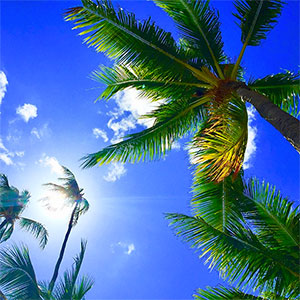
Travel to the Islands -- Close to Home

Think "island" and what comes to mind? Many people picture a white sand beach located close to the equator and hugged by turquoise water. Sun-drenched tan-seekers are stretched out on towels, while some folks venture into the ocean to swim, dive into waves, or merely stand and let the gentle surf lap against their bodies.
It might surprise you to know, however, that the U.S. coastline is dotted by some 18,500 islands. Many of these points of land are located in Alaska, and you're probably acquainted with Puerto Rico and the Virgin Islands. In size these enclaves range from large -- Hawaii Island is almost twice the size of Delaware -- to miniscule, from heavily populated like Manhattan Island in New York to barren boroughs inhabited by non-human creatures, if anyone.
Whether you're an inveterate island-hopper or a traveler who hardly notices when he has accessed one of these destinations, atolls can offer a wide variety of attractions and activities to meet many a preference.
Those seeking white sandy beaches on which to relax might consider Padre Island, located along the southern coast of Texas. Rated the largest of the Texas barrier islands and the longest such key in the world, stretching more than 110 miles, it is sparsely populated and lies partly within the Laguna Atascosa National Wildlife Refuge.
Another protected area is the Sandy Island Preserve in South Carolina. Perched on an island that sits between two rivers, it's named for 9,000 acres of prehistoric sand dunes and is accessible only by boat. In addition to being the largest protected freshwater island on the East Coast, it's a stronghold of Gullah life.
The Gullahs are African Americans who live predominantly in the southeastern Low Country region. As a result of their geographic isolation, their culture and language have preserved a high volume of Africanisms. Sandy Island was founded by formerly enslaved Africans, and today it is home to a few dozen residents, a general store, a late-19th-century Baptist church and a former schoolhouse.
A very different cultural immersion greets visitors to Smith Island, Maryland, an isolated home to one of the oldest English-speaking communities in the region. Due to its remoteness -- it is accessible only by boat -- the population has spent centuries largely cut off from the mainland. As a result, the island has its own distinct dialect, which is said to resemble that of the original settlers of what would become Jamestown, Virginia.
Smith Island also is known as the birthplace of what became Maryland's official state dessert. The Smith Island Cake is an eight-to-10-layer yellow confection with a thick, fudgy chocolate frosting. According to legend, women would make this cake for their husbands as they embarked on the autumn oyster harvest to remind the fishermen that they were loved and missed.
Well before Europeans arrived in the New World, the Calusa people created an artificial island made of discarded shells, bones and other material. The artificial land mass in what today is Florida's Estero Bay served as their political and cultural center well into the 1700s.
The 30-foot summit of Mound Key, as it's known, looks over the low-lying mangrove islands that dot the bay. Those seafaring people also constructed a complex system of canals and water courts, some of which are still visible. A short hiking path meanders through the mangrove and subtropical hammock forests. Those who prefer to follow the Calusa Blueway Paddling Trail have opportunities to spot manatees, dolphins, herons and ospreys.
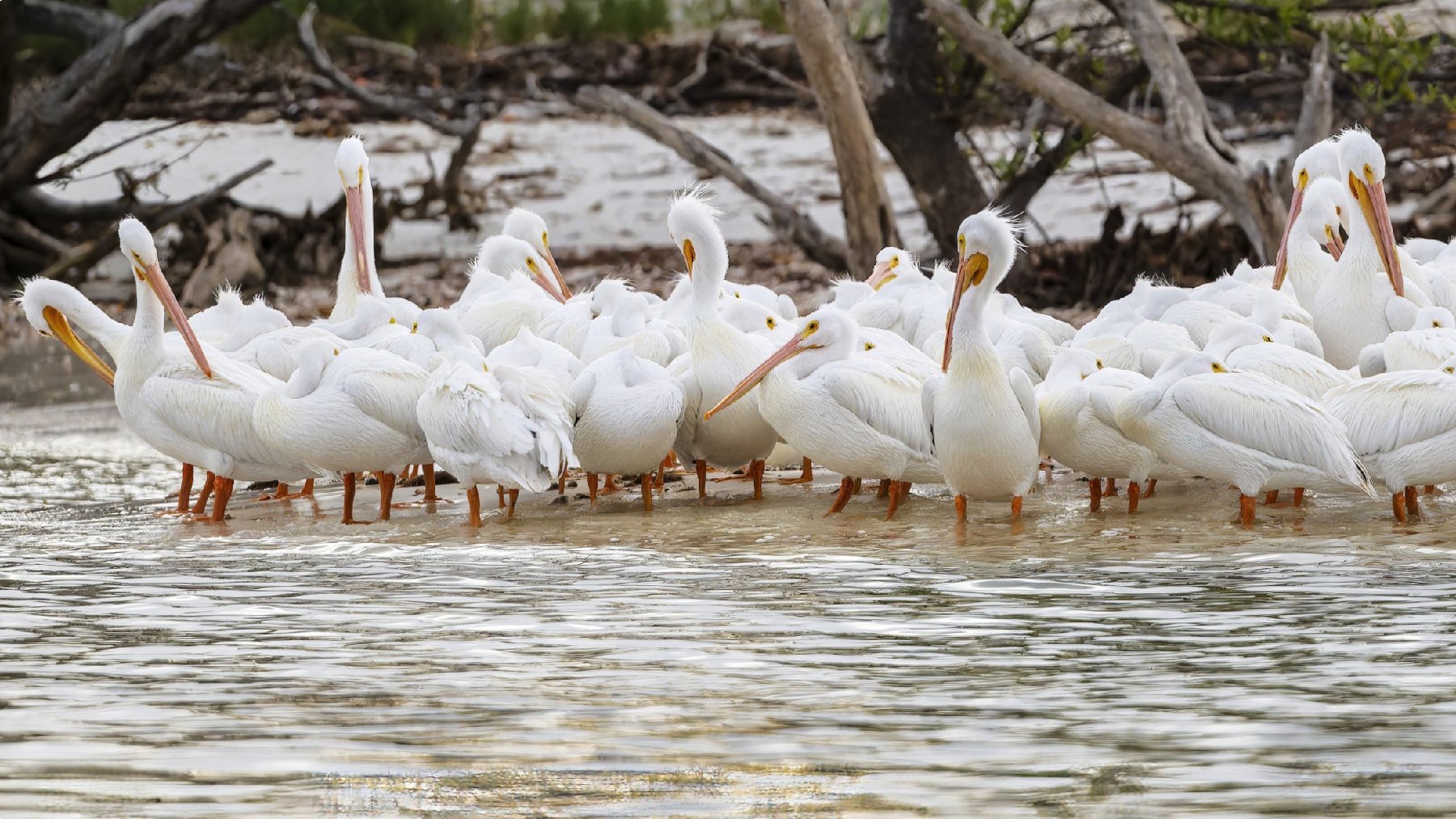
It's another species of water birds that gives White Pelican Island off Florida's Gulf Coast its name. Every fall and winter, this tiny islet is swarmed by thousands of white pelicans from as far away as western Canada. Those long-distance flyers have the largest wingspan of any bird in North America, an impressive 9 feet, and are one of the heaviest flying birds on earth, weighing up to 20 pounds. Their unique feeding technique is a group effort. Adults form a circle and flap their wings against the water to herd fish into the center, where they can be easily plucked and devoured.
Seabirds with a variety of sometimes humorous names congregate along Maine's idented coastline. These include the laughing gull, barnacle goose and Leach's storm petrel. The petrels' erratic, bouncy flight style rarely brings them within sight of people. They breed on remote islands and raise their chicks in burrows that they visit under cover of darkness.
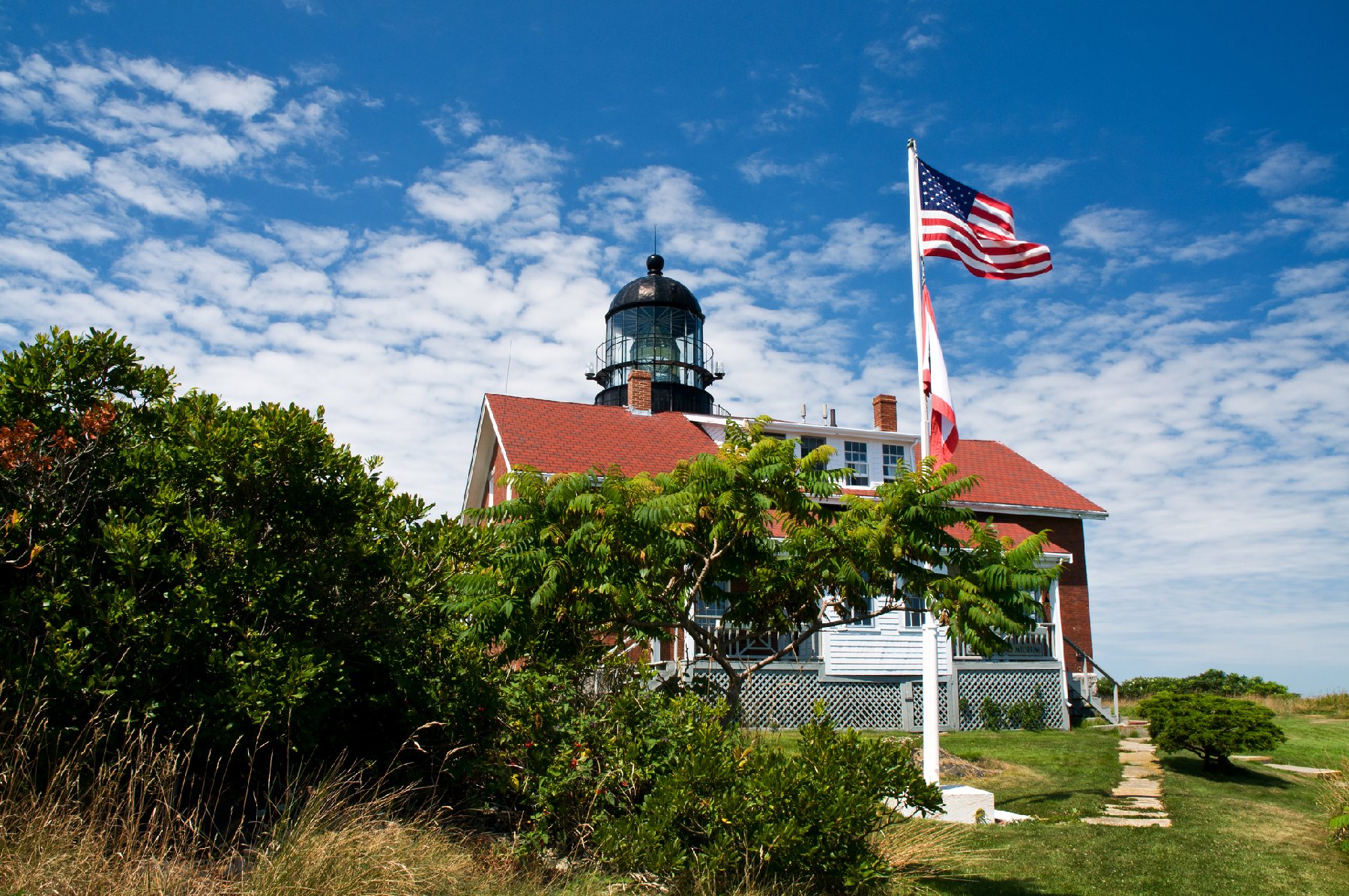
At times, some of these elusive fowl might check out Seguin Island, home to a lighthouse that was commissioned by George Washington. The initial wooden beacon, built in 1795, was replaced by a stone tower in 1817 and about 50 years later by the structure that stands today.
That wind-blown speck of land contrasts in size with sprawling Padre Island. The hustle and bustle of New York's Manhattan neighborhood is a far cry from life in the slow lane on Smith Island, Maryland. Yet these locations share their setting on spits of land surrounded by water and the history, lifestyle and stories that accompany them.
----
WHEN YOU GO
nps.gov
discoversouthcarolina.com
smithisland.org
visitflorida.com
visitmaine.com
========
Victor Block is a freelance writer. To read features by other Creators Syndicate writers and cartoonists, visit the Creators Syndicate website at www.creators.com.
Copyright 2026 Creators Syndicate, Inc.



























Comments