Fall in Love With Luxembourg

Luxembourg doesn't exactly roll off the lips when Americans are planning a trip to Europe. But this much overlooked tiny gem of a country -- just shy of only 100 square miles -- offers an array of historical castles, wine caves, museums and more must-see sites that will have you falling in love with Luxembourg and yearning to return.
I'm biased. I lived in Luxembourg for two years in my late teens. But time moves slowly there, and little has changed since then in the small, landlocked Grand Duchy of Luxembourg, which with a constitutional monarch is the world's only remaining Grand Duchy.
A great way to start a tour of Luxembourg City is to head for a walk across the Pont Adolphe -- an architecturally majestic bridge with four massive stone arches that straddle the Petrusse Valley below and connect the historic Ville Haute (Upper Town) with the Gare (train station) District.
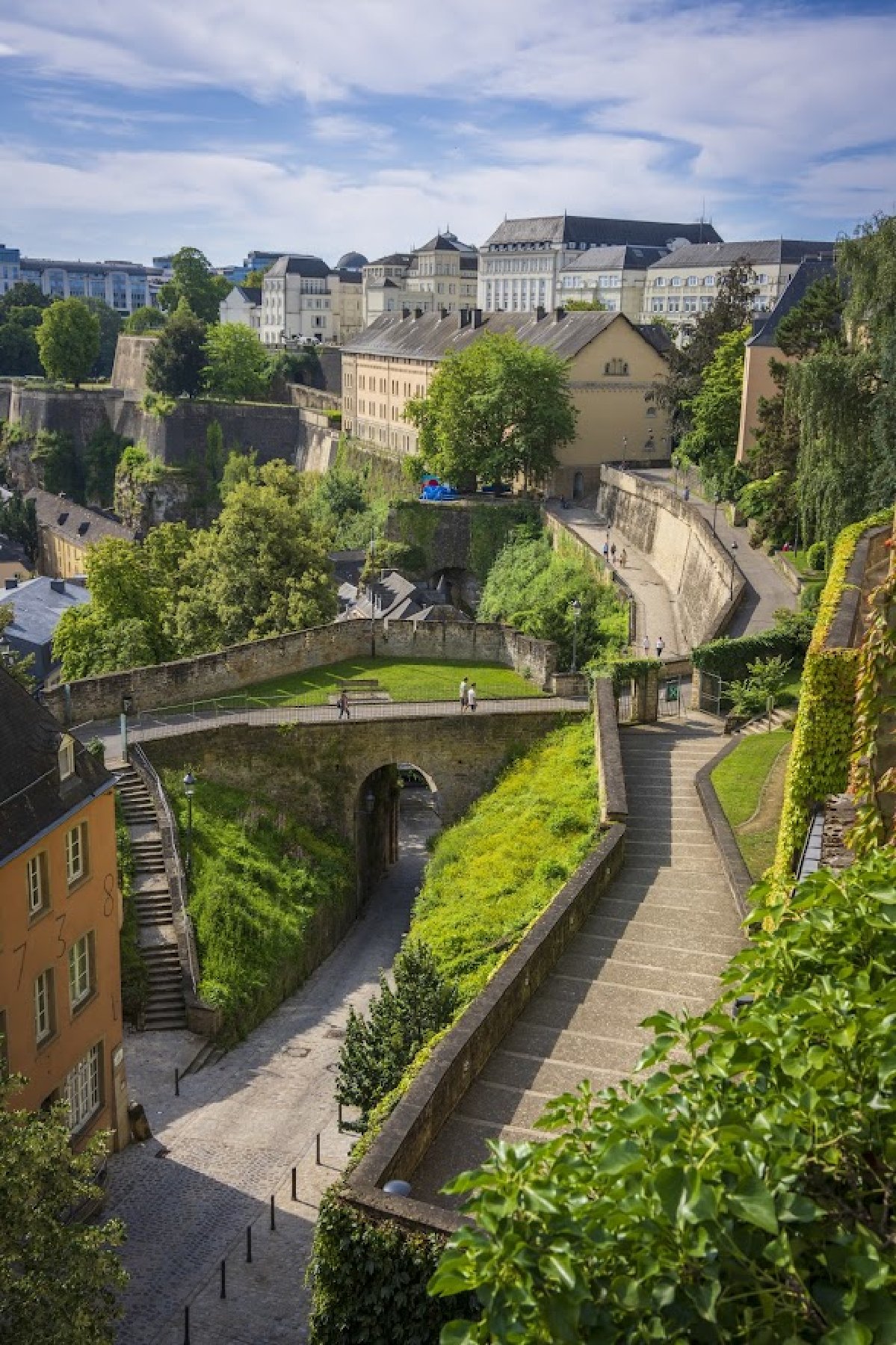
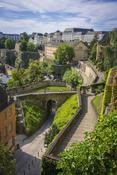
The air is crisp on the 138-foot-high bridge as one gazes out at the heart of Luxembourg City, where history is literally carved into the stone of the fortifications upon which the city is built. Looking directly down, the river Alzette snakes through a lush green park where people look like miniatures strolling along the river-edge pathways.
Running the length of the park are the cliff-face stone walls of the Casemates du Bock -- a vast, 10-mile network of impenetrable tunnels and bastion galleries carved into the rockface, fortifications evolved over 1,000 years of strategic warfare.
From the bridge you can descend into the Casemates, anointed as a UNESCO World Heritage site, to explore the tunnels that at every turn open up into vaulted chambers with cannon slots that once provided strategic sightlines for soldiers defending the city's honor and nickname as the Gibraltar of the North.
From the Casemates, you can emerge to wander the 17th century Chemin de la Corniche, a breathtaking elevated promenade meandering along the Alzette Valley's 17th-century ramparts from the Bock Promontory, fondly referred to as "the most beautiful balcony of Europe."
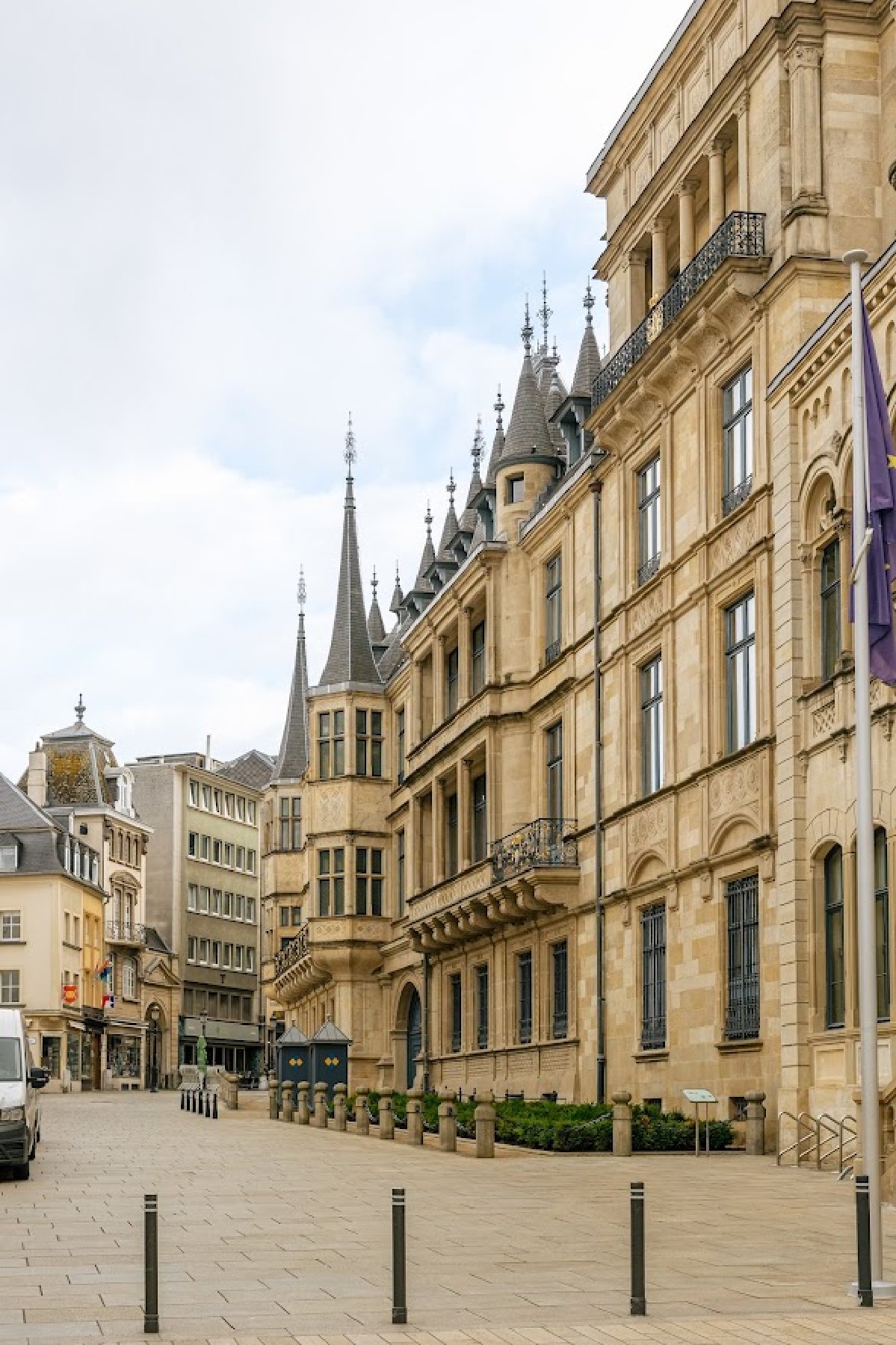
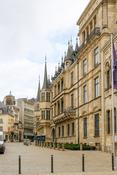
Then walk the winding streets into Luxembourg City's old town for a stroll through the Place Guillaume II and the Place d'Armes, enjoying the sidewalk cafe culture while admiring the city's historic buildings, including the Grand Ducal Palace -- the official residence of the Grand Duke, which offers inside guided tours during summer months.
Or pause at one of the cafes and bars along the cobblestone alleys of the Grund district to enjoy a glass of reisling, gewurztraminer or Cremant de Luxembourg sparkling wine from the wine caves of the Moselle River Valley that delineates Luxembourg's border from its eastern neighbor, Germany.
Also bordered by France to the south and Belgium to the West, Luxembourg is a perfect gateway to the rest of the heart of Europe. You can hop on a train at breakfast for day trips to other historic European cities -- Metz, France; Trier, Germany; and Brussels, Belgium all are within a two-hour train ride.
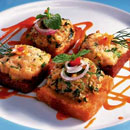
You can easily be back to enjoy a traditional Luxembourgish dinner of bouneschlupp (green bean soup), gromperekichelcher (potato pancakes), judd mat gaardebounen (smoked pork neck with broad beans), and a delicious slice of appelklatzen or quetschentaart, apple cake or plum tart.
While the city offers endless exploration, one of the country's greatest charms is its manageable size for heading out of the city to take in other breathtaking sites Luxembourg has to offer. One of my favorite day trips is to head just an hour's drive or train ride north of the city through spectacular, rolling green countryside to the small town of Vianden.
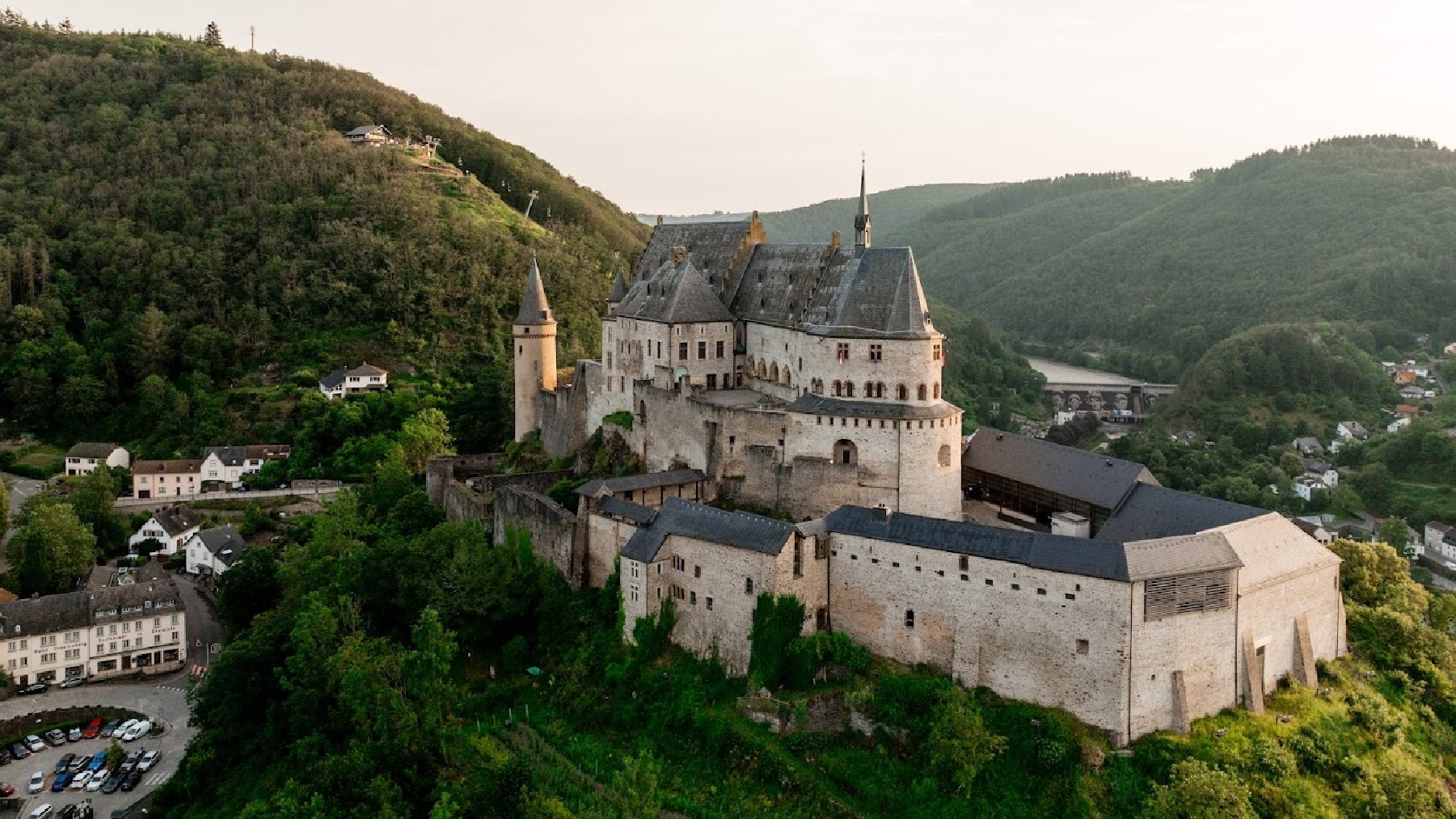
There, perched dramatically above the Our River (pronounced "ur") is Vianden Castle, a fortress that looks straight out of a fairytale, where you might expect to see Rapunzel letting down her hair from the top of its pointed tower turret. The castle was home to counts and royals dating back to the 11th century until falling into ruin under the reign of King William I of Holland in 1820. It was restored in 1977 after the Grand Duke of Luxembourg's family transferred it to state ownership.
A great way to start a Vianden visit is to ride the town's hillside cable car to take in the stunning views of the valley and the colossal castle that rises through the mist above the town's terracotta rooftops.
Then spend a few hours exploring the fully furnished interior of the castle, including its chapel, lavishly large banquet halls and ornate pillared gallery, before descending to the town below to check out the artisan shops or sip a mug of Gluhwein -- warm mulled red wine flavored with orange peel, cinnamon and cloves.
Back in Luxembourg City, another way to enjoy a day is to soak up more history and culture browsing the Letzebuerg City History Museum, the National Musee um Feschmaart (National Museum of History and Art) or the Mudam Museum of Modern Art.
With its rich history and culture, castles, eclectic cuisine, refreshingly light wines, and its central ease of access to the rest of Europe, it's easy to understand why I fell in love with Luxembourg and love to go back.
Casemates du Bock: visitluxembourg.com
Grand Ducal Palace: visitluxembourg.com
Museums Vianden Cable Car: visit-vianden.lu
Vianden Castle: castle-vianden.lu
========
Nicola Bridges is a freelance writer. To read features by other Creators Syndicate writers and cartoonists, visit the Creators Syndicate website at www.creators.com.
Copyright 2025 Creators Syndicate, Inc.




















Comments