
Ask the Builder: The ugly truth about your heating and cooling system
Tell the truth. Are there days in the winter when your heating system can’t provide the heat you need to keep you comfortable? What about your AC system? Are there blistering hot summer days when you feel like a simmering sausage in a skillet?
You may not want to hear this, but it’s normal for this to happen. Your heating and cooling contractor may not have told you the truth, so I’ll be his proxy.
Several weeks ago, I was on the phone with a man who lives in the Midwest. He purchased one of my short consultation telephone calls. He wanted to know why his condominium was cold and drafty when it was below zero Fahrenheit.
He mentioned a cold draft of moving air in his kitchen. It turns out he’s got three very large windows in the room. I explained that the moving air was a convection current where the room air was hitting the cold inner pane of glass. This chilled air then fell down to the floor, much like water flowing over a waterfall.
He wasn’t feeling the outside air infiltrating through the windows. Stand in this pathway, and it will feel like a breeze. The cold air pushes warmer room air back up to the top of the windows. Try to picture a sideways, invisible merry-go-round in your home.
I shared with this man that heating and cooling design in residential homes is by far the most complex aspect of home building. A true professional HVAC contractor will enter all sorts of data about the wall insulation thickness, window sizes, compass direction of the house walls, door sizes, total exterior wall surface area, attic insulation thickness and so forth into a computer program. The software will then spit out heat loss and heat gain results in BTUs per hour. This should be done on a room-by-room basis.
The contractor has to tell the software where the house is located and what the desired interior temperatures should be. This is because two identical houses in different cities can require very different furnaces and AC units. A house in northern Minnesota requires much more heat per hour on a given day than the exact same house in Alabama.
I know what you might be thinking. You’ll just tell your contractor to oversize the furnace and AC unit so you’re always comfortable. It’s a mistake to do this because the equipment would short-cycle. In the winter, the blast of hot air coming out of your supply ducts would fool the thermostat, telling it that the room is warm enough when, in fact, there is still cold air in the room.
An AC system that short cycles doesn’t run long enough to remove enough humidity from the air. You then end up with a house that’s cold and clammy.
My advice to the homeowner was simple. The easiest thing to do is to wear more clothes on the coldest days. I do that in my own home. I often wear long underwear, a knit hat, and a hoodie sweatshirt that keeps my neck warm. While it may seem odd, I can tell you I’m toasty warm on those bitter winter days.
I then shared that he could purchase affordable portable oil-filled electric radiators. These would create additional heat to offset the heat loss in the cold rooms he’s occupying.
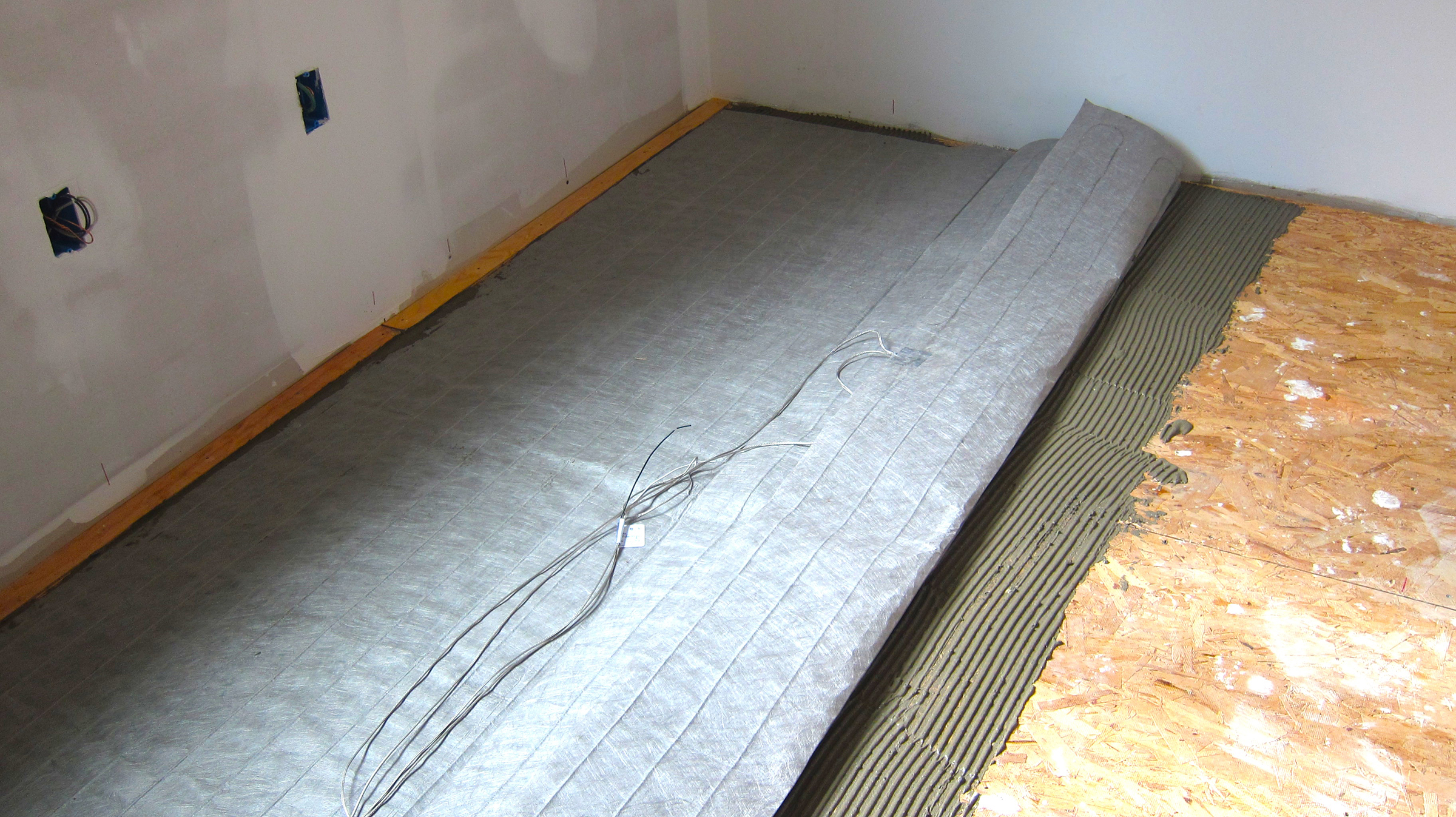
If you're remodeling or even building a new home, you might want to consider adding radiant heat mats under bathroom flooring. This heat will not only help make the room nice and warm, but your bare feet will touch a soothing, warm surface instead of you doing a dance trying to get onto a throw rug as you step out of the shower.
The ductwork that supplies the heated and cooled air must also be designed and installed with great care. Each room must have enough heat and cooling to offset the heat loss and heat gain for that room.
The rooms farthest from the furnace must have air flowing from the supply duct as strongly as the room closest to the furnace. This is achieved by maintaining the same static pressure in the duct system along its entire length.
Don’t assume everything will be done correctly when you build. I urge you to have a conversation with your builder and include the HVAC contractor if possible. Discuss everything I’ve shared above and see if you get any pushback from the builder or HVAC contractor.
It’s very difficult to remedy ductwork that’s not sized correctly once a house is built. You get one chance to get it right. This is why the Ask the Builder motto is “Do it Right, Not Over!”
Subscribe to Tim’s FREE newsletter at AsktheBuilder.com. Tim offers phone coaching calls if you get stuck during a DIY job. Go here: go.askthebuilder.com/coaching
©2026 Tim Carter. Distributed by Tribune Content Agency, LLC.



























Comments