Dementia risk factors identified in new global report are all preventable – addressing them could reduce dementia rates by 45%
Published in Senior Living
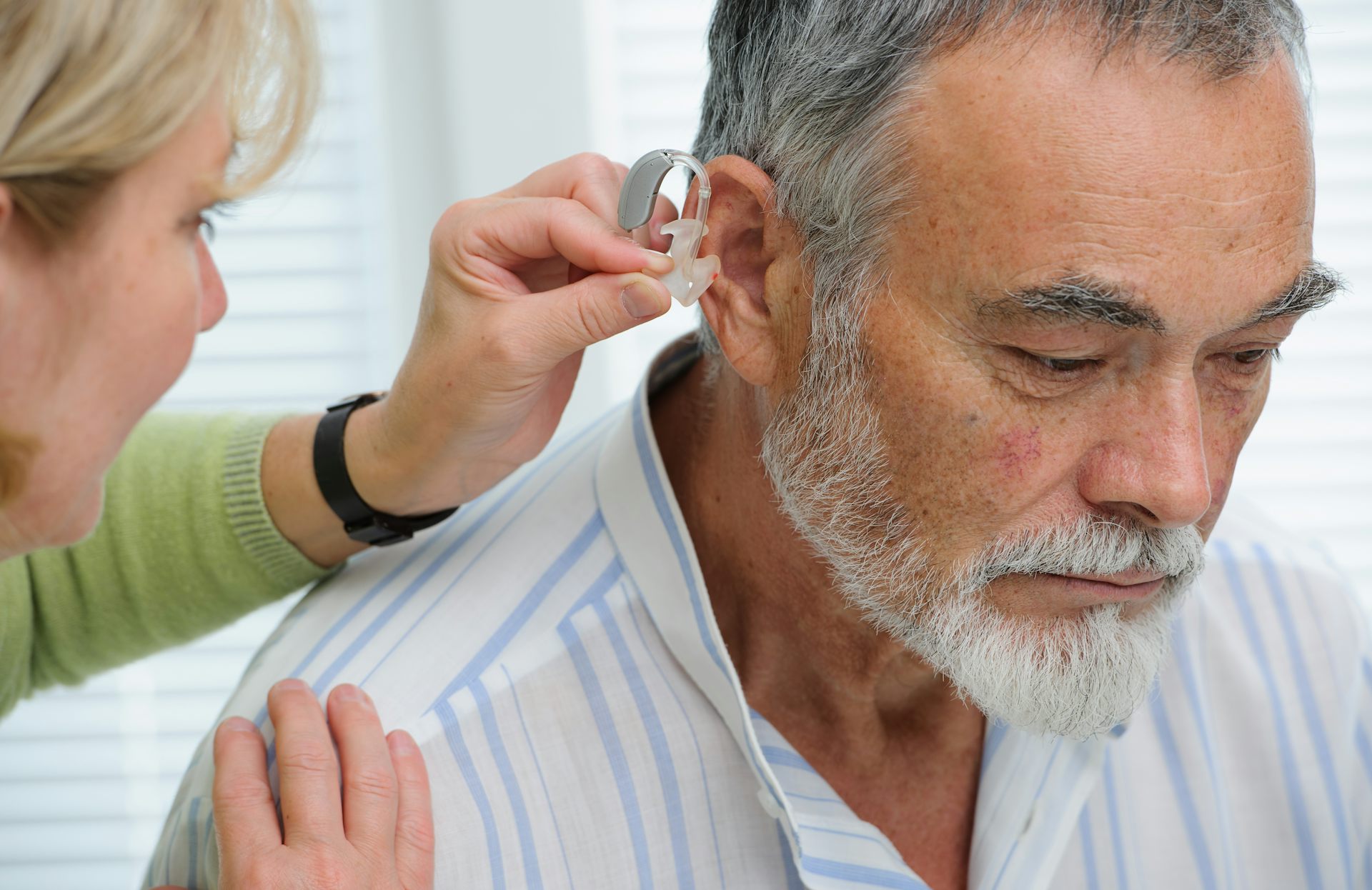
Nearly half of all dementia cases could be delayed or prevented altogether by addressing 14 possible risk factors, including vision loss and high cholesterol.
That is the key finding of a new study that we and our colleagues published in the journal The Lancet.
Dementia, a rapidly increasing global challenge, affects an estimated 57 million worldwide, and this number is expected to increase to 153 million by 2050 worldwide. Although the prevalence of dementia is on the decline in high-income countries, it continues to increase in low- and middle-income countries.
This third updated report of the Lancet Commission on Dementia offers good news and a strong message: Policymakers, clinicians, individuals and families can be ambitious about prevention and reduce dementia risk; and for those living with dementia and their caregivers, support their quality of life using evidence-based approaches.
The new report confirms 12 previously identified potentially modifiable risk factors from two previous reports, published in 2017 and 2020. It also offers new evidence supporting two additional modifiable risk factors: vision loss and high levels of low-density lipoprotein (LDL) cholesterol, often called “bad” cholesterol.
Our study of published evidence found that collectively, addressing 14 modifiable risk factors could potentially reduce the prevalence of dementia by 45% worldwide. Even greater risk reductions could be possible in low- and middle-income countries and for people with low income in higher-income countries given the higher prevalence of dementia, health disparities and risk factors in these populations.
The report further indicates that reducing these 14 risks can increase the number of healthy years of life and reduce the length of time with poor health in people with dementia.
Additionally, the report cites clinical trials showing that nonpharmacological approaches, such as using activities tailored to interests and abilities, can reduce dementia-related symptoms and improve quality of life.
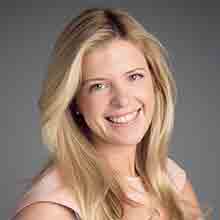
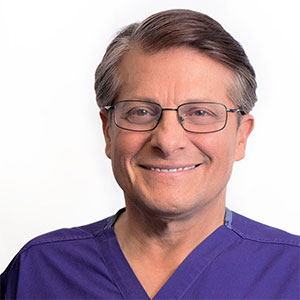
We are a general internist and an applied sociologist and intervention scientist, and our work focuses on memory and wellness in older adults. Together with 25 other internationally recognized dementia experts under the leadership of psychiatry professor Dr. Gill Livingston, we carefully reviewed the evidence to derive recommendations for prevention, intervention and care.
The rapid growth of aging populations worldwide is a triumph of better public and personal health throughout the entire life span. Yet, given the lack of a dementia cure, this report highlights the importance of prevention as well as supporting quality of life for those with a dementia diagnosis.
In the new report, our team proposed an ambitious program for preventing dementia that could be implemented at the individual, community and policy levels and across the life span from early life through mid and late life. The key points include:
Together, these add up to the Lancet Commission on Dementia’s estimate that 45% of dementia risk can be reduced. And an abundance of new research shows that when risk factors are addressed, such as exposure to air pollution, they are linked with improved cognition and likely reduction of dementia risk.
New evidence supports the notion that in high-income countries, reducing dementia risk can translate to more healthy years, years free of dementia and a shorter duration of ill health for people who develop dementia.
The 45% reduction in dementia risk across the world’s population is based on a calculation that assumes that risk factors are causal and can be eliminated. It shows how dementia prevention is critical and the impact it would have on individuals and families.
The commission emphasized the need for more research to identify additional risk factors, test risk factor changes in clinical trials, provide guidance for public health efforts, and identify and evaluate strategies for implementing and scaling evidence-based programs that support people with dementia and caregivers.
The updated report has worldwide public health and research impact and is being widely disseminated. It serves as a guideline to clinicians and policymakers and outlines new research directions.
The Research Brief is a short take on interesting academic work.
This article is republished from The Conversation, a nonprofit, independent news organization bringing you facts and trustworthy analysis to help you make sense of our complex world. It was written by: Eric B. Larson, University of Washington and Laura Gitlin, Drexel University
Read more:
Hospice care for those with dementia falls far short of meeting people’s needs at the end of life
Conflicts between nursing home residents are often chalked up to dementia – the real problem is inadequate care and neglect
Much of the cost of dementia care in aging Native American adults is due to hospitalization
Eric B. Larson receives funding from National Institutes of Health, National Institute on Aging and UpToDate royalties for chapters that he writes and updates.
Laura N. Gitlin receives funding from the National Institute on Aging, Veterans Administration and also royalties from various books. She also is the creator of several online courses to train health providers in evidence-based care programs that she and her teams have tested and shown to be efficacious for which she and her university affiliations are entitled to training fees.










Comments