
Ask the Builder: Realism needed in today's starter home market
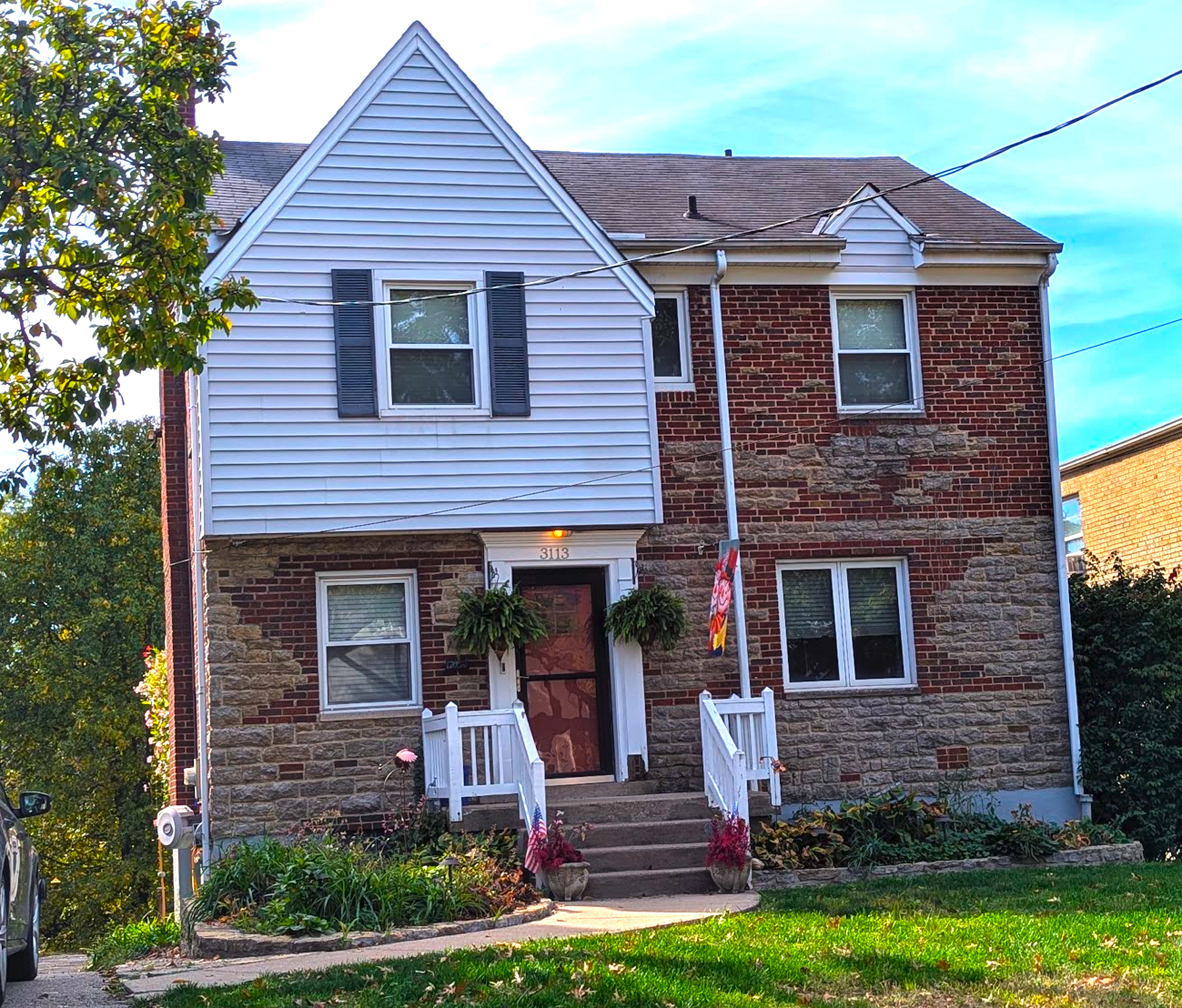
I’ve shared in recent columns the struggle my youngest daughter is having trying to purchase her first home. Listing prices are in the stratosphere. In many cases, the owners paid too much for their houses years ago as they had access to cheap money via historic low long-term mortgage rates. Layer on top of that, every house she looks at needs a considerable amount of work to bring it up to a decent living standard.
I’ve been scratching my head about this conundrum, and I keep arriving at the same place in my thoughts. Weeks ago, I attended my 60th grade-school reunion. I decided to drive past my childhood home and the houses where all of those of my grade school classmates. The answer to the conundrum was right where I used to ride my bike.
I grew up in Clifton, a unique neighborhood in Cincinnati. This suburb was just four miles north of the Ohio River. It was within a mile of no fewer than four hospitals. Doctors and other professionals called Clifton their home because it was so convenient to their work and to downtown Cincinnati.
I went to a Catholic grade school in Clifton. The parish was cut in half east and west by Ludlow Avenue. The prestigious gaslight district was north of Ludlow. This is where the doctors and professionals lived in houses that had somewhere between 1,500 and 1,800 square feet of living space. One of my friends’ houses had a maid’s quarters above the garage!
I lived south of Ludlow Avenue. Just about every house in this sector looked like the tiny green plastic houses you see in the game of Monopoly. There were hundreds of these houses between Riddle Road and Ludlow Avenue. I used to deliver the afternoon paper to 100 of them, making one penny for each paper I threw up onto a covered porch.
You need to know that many of these houses were filled with a mom, dad, and multiple children. It was indeed a baby boomer suburb and neighborhood. Joe and Elsie Conrad had three girls in their small house. The Boncutter family fit two adults and five children in their home.
How big were these neighborhood houses? They were all less than 1,000 square feet of living space. They all were the same size when you measured the outer foundation walls. The clever architects came up with variations of the floor plan.
For example, my house was two bedrooms and a full bathroom on the second floor. The first floor had a living room, dining room, and a kitchen. The Boncutter home was the exact same size, but the architect created three bedrooms and one and one-half bathrooms. What’s more, the Boncutter exterior was a splendid mix of brick and cut limestone. It looks as good today as it did 60 years ago!
The Kahlis house was just a bit bigger at 1,100 square feet. But it sported a finished attic and had a tiny open study off the living room. I spent many a day in that attic where my friend Jim had his bedroom. Two adults and six kids lived in the Kahlis’ house!
I don’t recall any of my friends complaining that their house was too small.
There were no granite countertops back then. There were no islands in the kitchens. Bathrooms were small, just 5 feet by 7 feet. You didn’t have a family room. Closet space was minimal. People simply didn’t have lots of stuff or clothes. There were no attached two-car garages. Many people just parked their cars in the driveway.
You didn’t have the option to pay $5 or $7 for a cup of coffee as kids do today. There was no DoorDash fee to deliver dinner to your home. I could go on and on with the things kids think nothing of paying for today. Buy one of those $5 coffees six days a week, and you spend $1,560 per year. That amount of money would go a long way to make a month’s mortgage payment.
I think that young first-time buyers need to do a hard reset. They need to realize that a small 950-square-foot house would do just fine. So what if you have to brush snow off the car in the morning to go to work?
I can assure you that if I were 30 years younger and still building houses each day, I’d be cranking out as many of these small, affordable houses as I could. I guarantee you they’d sell. You can make a small house look big, it can be easy to maintain, and it doesn’t have to be just like the expensive house your mom and dad might live in.
I’m available to answer any questions you have about planning and building a small and affordable house. Just use this link to set up a phone call: https://go.askthebuilder.com/coaching
Subscribe to Tim’s FREE newsletter at AsktheBuilder.com. Tim offers phone coaching calls if you get stuck during a DIY job. Go here: go.askthebuilder.com/coaching
©2026 Tim Carter. Distributed by Tribune Content Agency, LLC.


























Comments