Gen Z is the loneliest generation. Here's what can help
Published in Lifestyles
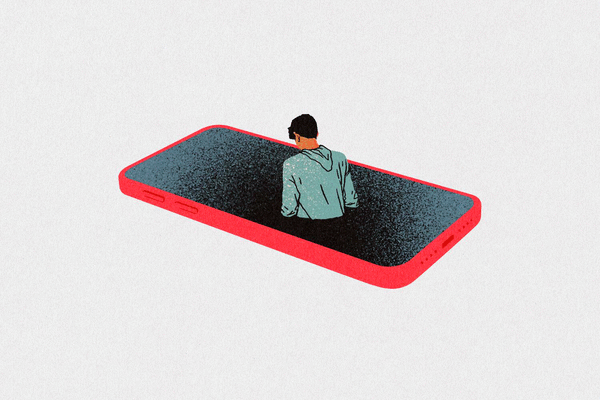
We are more connected than ever before, with our high-speed internet, pinging smartphones and ever-updating apps and social media networks. (iPhone 17e, anyone?!)
And yet, we are also lonelier than ever, especially younger generations who are even more likely to be on their digital devices for longer periods of time. Gen Z, it turns out, is the loneliest generation of them all, according to the 2025 Cigna Group report "Loneliness in America." It found that 67% of Gen Zers reported being lonely (65% of millennials, who also grew up with digital technologies, did as well, as compared with 60% of Gen Xers and 44% of baby boomers).
What's more, about 1 in 5 teenagers ages 13 to 17 experiences high rates of loneliness, according to a World Health Organization's 2025 report; and according to the Centers for Disease Control and Prevention, 40% of high school students reported "persistent feelings of sadness and hopelessness" in 2023.
Dr. Shairi Turner, chief health officer of the nonprofit Crisis Text Line — a free, 24-7 text-based mental health service — calls it "a public health crisis" that is especially affecting Gen Z for a reason.
"They're 14-29 now, so they're digital natives, very comfortable with being connected to people by phone," she says. "But that connection isn't a replacement for human connection. It gives the illusion of being close, but without real interpersonal interaction."
That's compounded by the COVID-19 pandemic and increased single parent households, she says.
"This is a generation that lived through the pandemic during some key developmental years — some of their formative years may have been in lockdown, using smartphones, [instead of] developing critical social skills," Turner says. "And Gen Z is more likely to have been raised in single-parent households, and may have come home to an empty home where one parent was working or they were going back and forth between homes."
So where to go from here? Note the warning signs, Turner says.
"Is your child spending more time with their phone than their friends?" she says. "Are your kids coming home upset about interactions at school or with their friends more times than not? And: Are they avoiding in-person extracurricular activities like sports or clubs? These are all things to look out for."
Here are Turner's top three tips for helping your Gen Z kids cope with loneliness.
Be present and engage in active listening. "Give them the space to share their feelings. Just be present and listen to your child — don't put words in their mouth. Create that safe space so they know they can share with you that they're feeling lonely. Ask open-ended questions. Instead of saying 'did you have a good day?' where they can say 'yes' or 'no,' ask a question that elicits more: 'What did you do today that you enjoyed?' Or: 'Is there anything you found challenging today?' Brainstorm with them options or ways that they could have handled a situation differently; or do some role playing with your child, so they feel prepared the next day."
Plan outdoor social activities. "That can be with your child or with your child and their friends. Connect in a low-pressure way: 'Let's bring some kids over and go to the park.' Plan something around a shared interest, like soccer or baseball, where they're enjoying the sport together and they don't have to sit and talk in a high-pressure way — they can just have fun. Our report on young people in crisis shows that outdoor third space areas — parks and recreation — help young people cope with their mental health. These same young people identified sports and opportunities for social connection as helpful to their mental health and well-being."
Explore mental health resources:"Know what the school resources are, what's available, before your child needs mental health support. Are there counselors, school psychologists? What's the bevy of resources in school or in the community if my child is in need — therapists, local support groups? Our Crisis Text Line is great because it's on the phone and most young people are comfortable with that and they can text our volunteers and it's confidential. It's about being prepared and aware."
Ultimately, Turner says, young people are resilient — their brains are still growing — and intentional parenting goes a long way toward offsetting the effects of digital devices and social media.
"It's never too late to encourage — and model — positive interpersonal skills," Turner says. "Meaning: human to human connection."
©2026 Los Angeles Times. Visit at latimes.com. Distributed by Tribune Content Agency, LLC.























Comments