Health
/ArcaMax
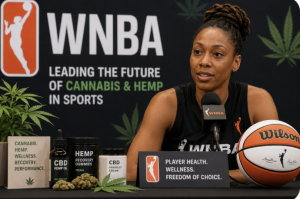
Is The WNBA’s Marijuana Shift A Sign of the Future for Professional Sports
Public support for marijuana legalization continues to grow while Congress seeks updated IRS guidance on cannabis taxation. For much of its history, the WNBA has positioned itself at the forefront of social and cultural change. From championing equal pay and social justice initiatives to advocating for player health and wellness, the league has...Read more

Does Michael Bublé Consume Weed
The Grammy-Winning Singer’s Cannabis Comments Resurface as He Takes the Global Stage for FIFA Celebrations Michael Bublé is once again in the global spotlight after being announced as one of the featured performers for Canada’s opening ceremony celebrations connected to the 2026 FIFA World Cup. The Grammy-winning singer, known for his ...Read more
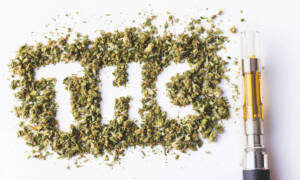
One in Three Adults Turn to Cannabis for Sleep
Cannabis for Sleep: Why Millions Are Choosing It Over Traditional Sleep Medications Sleep has become one of the most significant health challenges facing modern society. According to multiple surveys, roughly one in three adults turn to cannabis to sleep – falling asleep, staying asleep, or improve overall sleep quality. As sleep disorders ...Read more
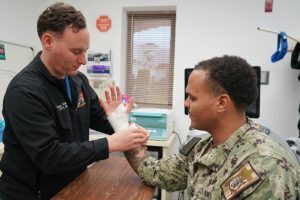
Ukraine Turns to Medical Cannabis to Support Veterans
Medical Marijuana for Ukrainian Veterans: Addressing PTSD, Chronic Pain, and Sleep Disorders After Years of Conflict After more than a decade of conflict and years of devastating full-scale war, Ukraine turns to medical cannabis to support veterans. The country’s medical profession are increasingly looking at medical cannabis as a tool to ...Read more
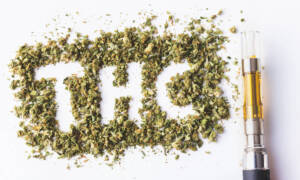
Is Lost THC More Intense Compared to Other Hemp-Derived Options
Consumers comparing hemp-derived cannabinoids often ask whether Lost THC delivers stronger effects than Delta 8, HHC, or THCA. Here’s what actually determines potency, intensity, and overall experience.
In today’s cannabinoid market, many consumers compare options carefully before buying, especially when trying to understand how Lost THC ...Read more

You Don’t Have to Be 70 to Care About Longevity Anymore
Millennials are embracing longevity through better sleep, exercise, nutrition, stress management, and mindful cannabis use. For years, longevity was viewed as something that concerned retirees, medical researchers, and people entering their later decades of life. Today, that has changed dramatically. Millennials and younger Gen X consumers are ...Read more

Does Marijuana Go Stale
From edibles and vapes to flower and pre-rolls, proper storage helps cannabis stay fresher, safer, and more enjoyable. Most people understand bread goes stale, chips lose their crunch, and fresh produce eventually spoils. What many consumers do not realize is plenty of packaged products also have a shelf life. Even canned goods, which can ...Read more

The Public Is Ready to Move Forward on Cannabis
Public support for marijuana legalization continues to grow while Congress seeks updated IRS guidance on cannabis taxation. For years, cannabis policy has been trapped between public opinion and political hesitation. Today, however, the gap between what Americans want and what some lawmakers are willing to support has become increasingly ...Read more

Ways to Support Veterans This Memorial Day
From employment opportunities to medical advocacy, meaningful ways to honor those who served. Memorial Day is often seen as the unofficial start of summer, marked by barbecues, travel, and gatherings with family and friends. Yet at its heart, the holiday is dedicated to honoring the men and women who made the ultimate sacrifice while serving in...Read more

Americans Rank What’s Cool
A new YouGov poll reveals how Americans view cannabis, artificial intelligence, pickleball, science, music and modern culture in 2026. The definition of in America keeps changing, but one thing remains consistent — people still care about it, even when they claim they do not. A new national poll from YouGov shows Americans rank what’s ...Read more

DOT Bucks The President About Cannabis
Medical marijuana rescheduling is advancing under Trump, but the Department of Transportation says truck drivers still face zero tolerance cannabis rules. While the industry and patients see it as a breakthrough, the DOT bucks the President about cannabis. As the federal government slowly moves toward recognizing medical marijuana in a new way,...Read more

Food, Flavor and Playful Intimacy Are Becoming A New Lifestyle Trend
From Bad Bunny buzz to cannabis-infused desserts, consumers are blending flavor, fun and sensual experiences in surprising new ways. When global music superstar Bad Bunny creates a stir online, pop culture pays attention. Recently, conversations across social media began buzzing again around playful food-centric intimacy and sensual expression,...Read more
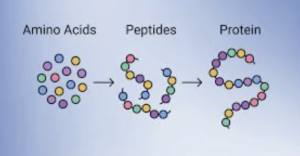
Consumers Are Combining Two Of The Fastest Growing Health Trends
Consumers are combining two of the fastest growing health trends as cannabis and peptides reshape modern wellness culture. As the wellness industry continues to evolve, two rapidly expanding trends are beginning to intersect in surprising ways. Consumers are combining two of the fastest growing health trends – cannabis and peptides.. While ...Read more

Another Senator Comes Out Strong Against Cannabis
Indiana Marijuana Legalization Faces Fierce Opposition As Sen. Jim Banks Doubles Down Against Cannabis Reform. As rescheduling is still up in the air federal, another senator comes out strong against cannabis. Indiana continues to stand as one of the Midwest’s last holdouts against cannabis legalization, even as neighboring states move ahead ...Read more

Florida’s Governor Candidates Stance On Cannabis
Florida Governor Race 2026: Cannabis Legalization, Ron DeSantis Opposition And Where Every Candidate Stands On Marijuana. Florida’s cannabis debate has become one of the state’s most politically charged issues, and the 2026 governor’s race is shaping up as another major battleground over marijuana policy. While Florida voters have ...Read more

What Is The Cannabis HHC
What is HHC? Understanding the effects, safety, and growing popularity of this hemp-derived THC alternative. Hexahydrocannabinol, is emerging as one of the latest cannabinoids to capture attention in the rapidly evolving cannabis market. As consumers continue to explore alternatives to traditional THC and CBD products, HHC is being marketed as ...Read more

A Bit Of Marijuana Can Make Chores More Enjoyable
How cannabis and microdosing can make household chores, yard work, and weekend to-do lists more enjoyable. As spring settles in and longer days return, so does the annual push to refresh and reset. Closets get cleaned, yards come back to life, and cars finally get the attention they’ve been denied all winter. For many, these seasonal rituals ...Read more

Nature’s Herbs Spotlighted for Modern Wellness
From kitchen staples to emerging plant medicine, National Herb Day highlights nature’s powerful role in everyday health and modern wellness trends. National Herb Day is celebrated annually on the first Saturday in May, falling on May 2 in 2026. The day serves as a reminder herbs are far more than simple flavor enhancers—they are deeply ...Read more

The Importance of Medical Marijuana
The administration has made somewhat of a move for medical marijuana – here is why it is important. The first major, actual move regarding cannabis has been made and it has a focus on the patients. The importance of medical marijuana has moved from the fringes of healthcare into the mainstream, driven by growing patient demand, expanding ...Read more

How to Vape the Right Way
Vape pens and edibles are reshaping cannabis habits as smoking declines and discreet consumption takes over.
The image of the classic stoner is quickly becoming outdated. Not long ago, cannabis use was almost synonymous with joints, bongs, and bowls. Today, that picture looks very different. Consumer habits have shifted dramatically, with ...Read more
Popular Stories
Related Channels

Ask Amy
By Amy Dickinson

Asking Eric
By R. Eric Thomas
Billy Graham
By Billy Graham

Chuck Norris
By Chuck Norris

Dear Abby
By Abigail Van Buren

Dear Annie
By Annie Lane

Dr. Michael Roizen
By Dr. Michael Roizen

God Squad
By Rabbi Marc Gellman

Keith Roach
By Keith Roach, M.D.

Miss Manners
By Judith Martin, Nicholas Ivor Martin and Jacobina Martin

My So-Called Millienial Life
By Cassie McClure

Positive Aging
By Marilyn Murray Willison

Scott LaFee
By Scott LaFee

Sense & Sensitivity
By Harriette Cole

Single File
By Susan Dietz

Social Security and You
By Tom Margenau

Toni Says
By Toni King
Comics