Democrats Hand The Administration Another Win With Cannabis
Published in Cannabis Daily
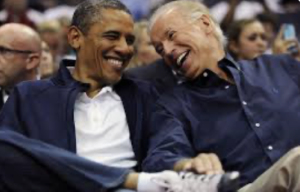
Democrats hand the administration a huge cannabis win due to their inability to understand voters
For more than a decade, cannabis reform has stood out as one of the few political issues with overwhelming bipartisan support. Recent surveys show nearly 88% of Americans are open to expanded legalization or meaningful reform, including rescheduling marijuana under federal law. Yet despite controlling the White House during critical moments, it seems the Democrats hand the administration another win with cannabis, allowing the current President to have another landmark victory. That failure now risks becoming another durable point of contrast credited to this administration, while reinforcing a broader pattern of Democratic miscalculation. Cannabis reform once appeared to be an inevitable Democratic victory. Under President Barack Obama, federal enforcement softened in tone, but marijuana remained classified as a Schedule I drug—grouped alongside heroin and defined as having “no accepted medical use.” While states rapidly legalized medical and adult-use cannabis, the Obama administration chose to manage the contradiction rather than resolve it. Executive authority existed, but it went unused. The same hesitation carried into the Biden era. President Joe Biden campaigned on acknowledging the failures of the drug war and the need for reform, yet once in office, decisive action stalled. Reviews were ordered, agencies were consulted, and timelines stretched. What could have been a clear, popular, legacy-defining achievement—rescheduling cannabis—was instead delayed into political limbo. The moment narrowed, then passed. This lead some in the industry to see it was just an election tool with no real support, despite public opinion.
The cost of the delay is not merely policy-based; it is political. In today’s environment, contrast matters. By failing to deliver a concrete, broadly supported reform, Democrats allowed Trump to position himself again—however imperfectly—as more open to change through a states’ rights framework. Even symbolic momentum can define a win, and Democrats surrendered the narrative space. This failure mirrors a recurring pattern within the Democratic National Committee. Time and again, leadership has struggled to translate clear public opinion into federal action, particularly on issues where Washington caution collides with voter urgency. Often ignoring mainstream businesses, issues and concerns, the DNC focuses on “beltway buzz” rather than voters. The collapse of support from rural areas so how far away DNC leadership is away from the electorate. Cannabis reform, supported across age groups, regions, and party lines, should have been an exception. Instead, it became another example of internal hesitation and indifference overriding external consensus and popular support. That disconnect is now reflected in the numbers: the DNC and congressional Democrats are registering historically low approval ratings in the most recent Quinnipiac poll, underscoring growing voter frustration with inaction on widely supported issues. The disconnect is further underscored by the actions of party leaders, especially Senator Chuck Schumer and Cory Booker. Both have spent years presenting themselves as champions of cannabis reform, unveiling sweeping legalization proposals and high-profile press events meant to demonstrate urgency and moral clarity. Yet with rescheduling still unresolved, those efforts now risk appearing performative rather than effective. By attempting to lead with comprehensive, all-or-nothing legislation, Schumer and Booker arguably misread the political moment. While full legalization remains a worthy goal, rescheduling was achievable, popular, and immediately meaningful. Securing that step first would have delivered tangible relief to businesses, patients, and workers. Instead, the emphasis on symbolism over sequencing allowed momentum to dissipate. For everyday Americans and the thousands of mom and pop industry businesses, the consequences remain concrete. Legal cannabis businesses are still locked out of banking. Patients face conflicting laws. Workers remain vulnerable to outdated federal classifications. These are not failures of public will, but of political execution. In the end, cannabis rescheduling stands as a cautionary tale. Democrats had public support, executive authority, and time. By inaction, they lost a clear win—and reinforced a growing perception the party too often listens last to voters who are increasingly disenfranchised with the party.
The Fresh Toast is a daily lifestyle platform with a side of cannabis. For more information, visit www.thefreshtoast.com.























Comments