
The Ripple Effects of the Rev. Jesse Jackson's Vision of Black Economic Power
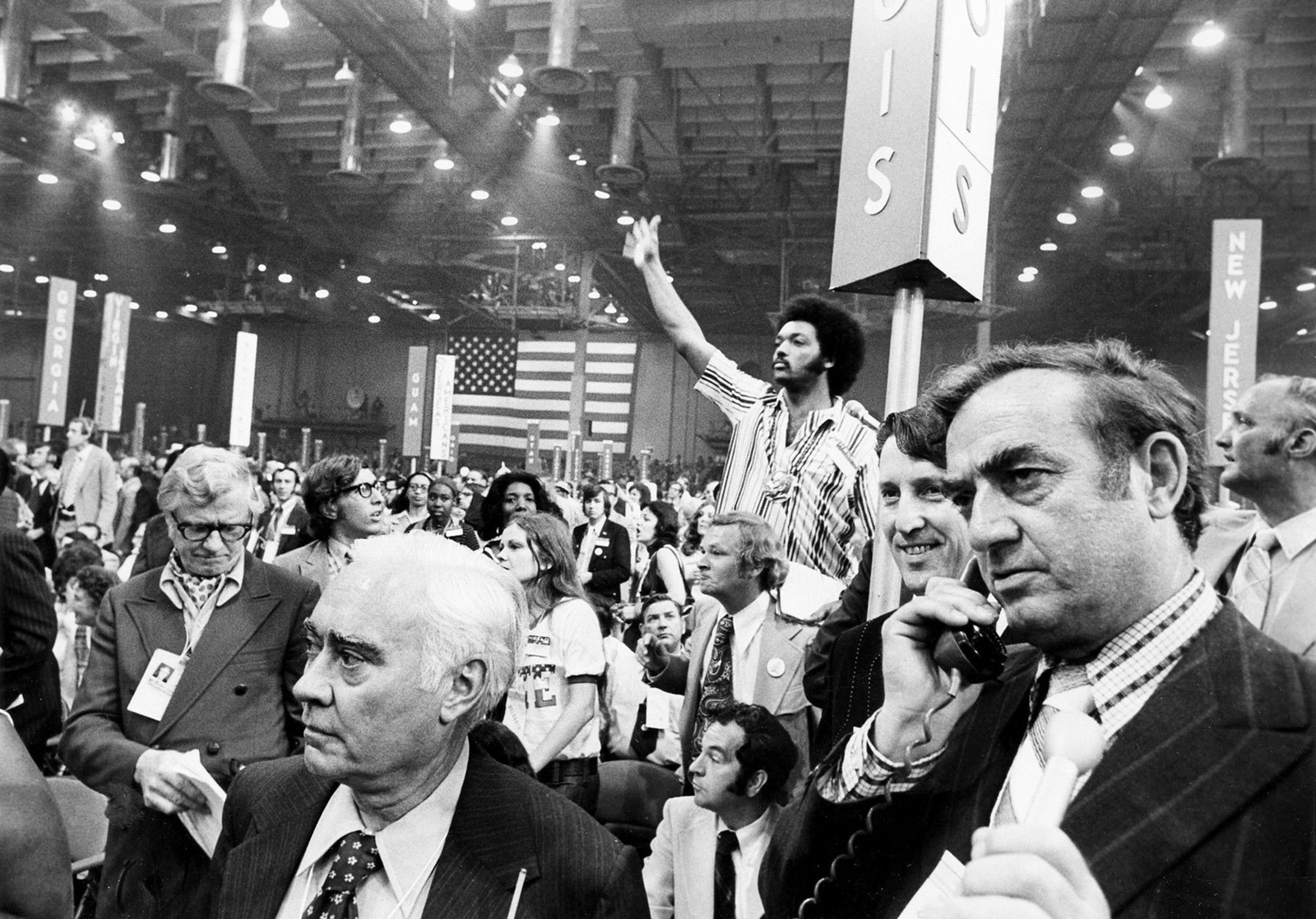
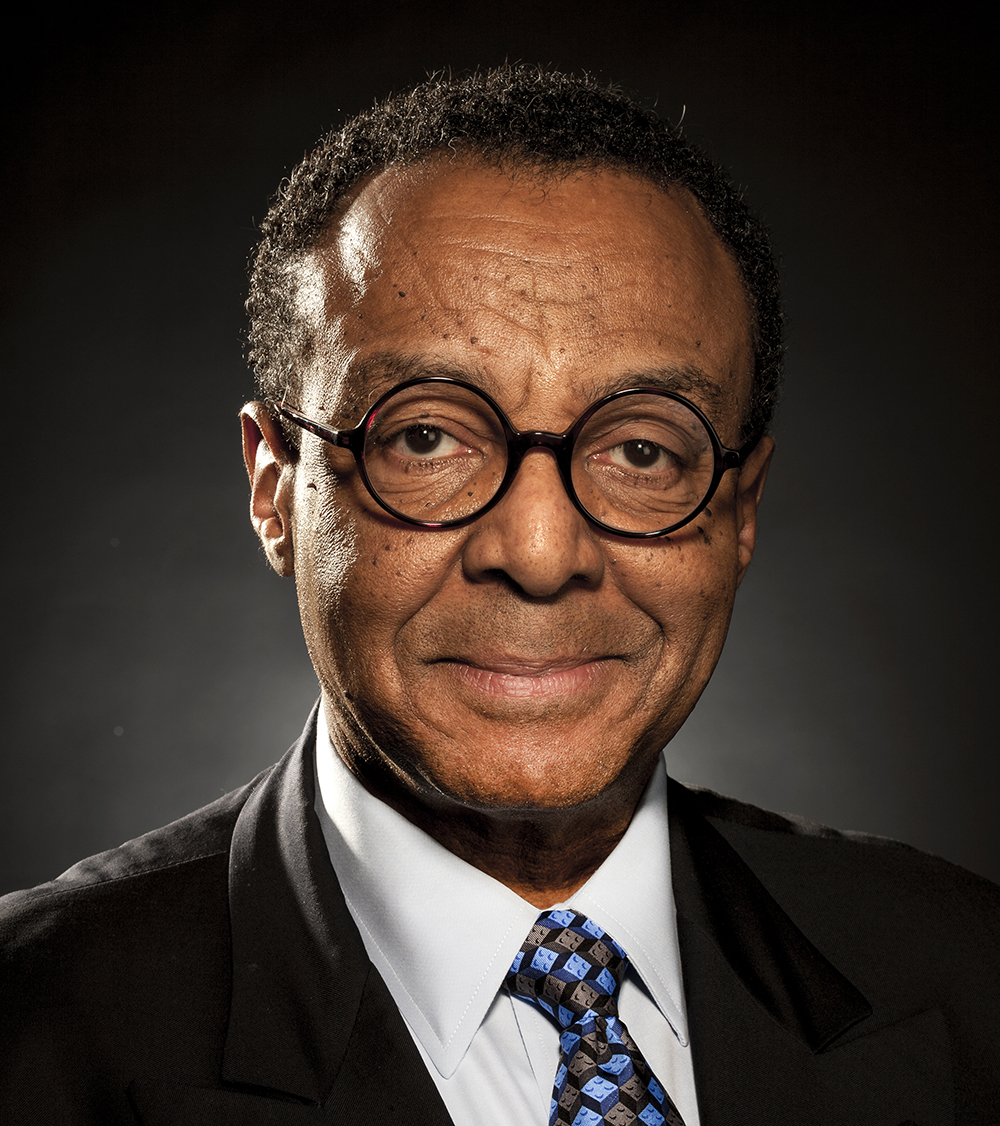
Having covered the Rev. Jesse Jackson for more than a half-century, I have an insider’s understanding of why thousands of people lined up to wait patiently last week in Chicago to pay their final respects to the departed civil rights icon.
Jackson knew when and how to defy power, but he also knew how to cajole the powerful to make room at the table for the excluded.
Of all the memories I have gathered in the past 50 years, one stood out on this solemn occasion: Black Expo, an annual convention put on by Jackson's Operation Breadbasket for several years in the late 1960s and early 1970s to showcase Black businesses as well as music, arts and other endeavors.
Black Expos were held in Chicago until 1976, and other cities put them on as well, including New York, Philadelphia, Washington and Atlanta. But the one that stands out in my mind was in Chicago in 1971.
My fellow young reporters and I were amused to see Mayor Richard J. Daley pictured on the front page of the Tribune with his hand clasped with Jackson’s in a classic “grip-and-grin” shot.
But with a difference.
“Look at their hands,” a friend pointed out. Indeed, this was not a traditional handshake.
As the camera flashed, Jackson had hooked his thumb with Daley’s into what had been popularized by my generation as a the “Black Power” handshake.
Whether Daley noticed, it didn’t seem to matter. As a practiced politician, he was not about to let a good handshake opportunity go to waste. Nor was Jackson. For anyone familiar with the racial tensions of that era, this was something of a breakthrough.
For many of us, it was a modest sign, at least, that the cultural gaps in our racially fractious city might be bridged. Maybe we could all get along.
The reverend was trying, anyway.
Chicago, you'll recall, was where only five years earlier, the Rev. Martin Luther King Jr. was struck in the head by a rock while marching in a South Side neighborhood. After King's assassination in 1968, the city went through traumatic rioting, with 11 people killed and parts of the West Side laid waste. The so-called Black Power movement was on the rise, spurning the nonviolent ethos of King's movement, and not only the Black Panthers but also the mostly white Weather Underground were active in Chicago. In 1969, Chicago police killed two Panthers, including the organization's national deputy chair, Fred Hampton, in a highly controversial predawn raid.
It was in this context that Jackson was offering a new model for political organizing. Instead of Black power, Jackson promoted “green power” to build Black economic and educational investment for everyone’s benefit.
To the relief of many, the son of South Carolina was not out to be another revolutionary, but rather was offering reassurance that local people, businesses, churches and communities could work together across racial, class and political lines.
It might not sound as impressive now, but when the fires of the 1960s were still vivid in the public mind, it was reassuring to hear Jackson's refrain, “Keep hope alive!"
And that's what Jackson did. Black Expo was a big test and, for many, a breakthrough for the hopes that Black Americans could take the advances of the civil rights era and build on them.
The event glorified Black entrepreneurs in the way usually associated with athletes and soul music stars. The theme of the five-day September event in the International Amphitheatre was “Save the children,” but, as many noted, it might as well have been “Invest your dollars.”
Jackson's vision of Black economic power was perhaps an update of Booker T. Washington's, or perhaps a softer version of Elijah Muhammad's, and the Black Expo was a commercial success. The third annual exposition in 1972 was a huge financial and publicity success. Jackson managed to blend politics with artistic attractions, major corporate exhibitors and entertainment luminaries such as the Jackson 5, Isaac Hayes, and Big Bird and Roosevelt Franklin of "Sesame Street" — and lots of deal-making intended to build Black capitalism.
Perhaps it succeeded too well. A 1990 article in the Chicago Tribune described a revived expo in Chicago that year, casually mentioning that employers looking to recruit at the event included the Illinois State Police, H&R Block and the FBI!
Years would pass before Jackson would make a serious bid for the U.S. presidency. His run in 1984 and his more serious candidacy in 1988, some have argued, played a crucial role in setting the table for Barack Obama's success at claiming the highest office in 2008.
It's no wonder Tribune scribe Mike Royko called him the Rev. “Jesse Jetstream.” It's hard to imagine how Jackson summoned the energy.
Now, he is at rest. And it's fitting, as Black History Month concludes, to remember how central Jackson was to broadening our understanding of a truly inclusive society, a country where Black achievement and full participation in the prosperity of America were natural and fitting and worthy of fostering. Jackson has become a legend, and he's made it possible for so many others to reach the pinnacle of American success.
========
(E-mail Clarence Page at clarence47page@gmail.com.)
©2026 Tribune Content Agency. Distributed by Tribune Content Agency, LLC.
(c) 2026 CLARENCE PAGE DISTRIBUTED BY TRIBUNE MEDIA SERVICES, INC.
















Comments