
Asking Eric: Friend’s paranoia keeps her away from medical help
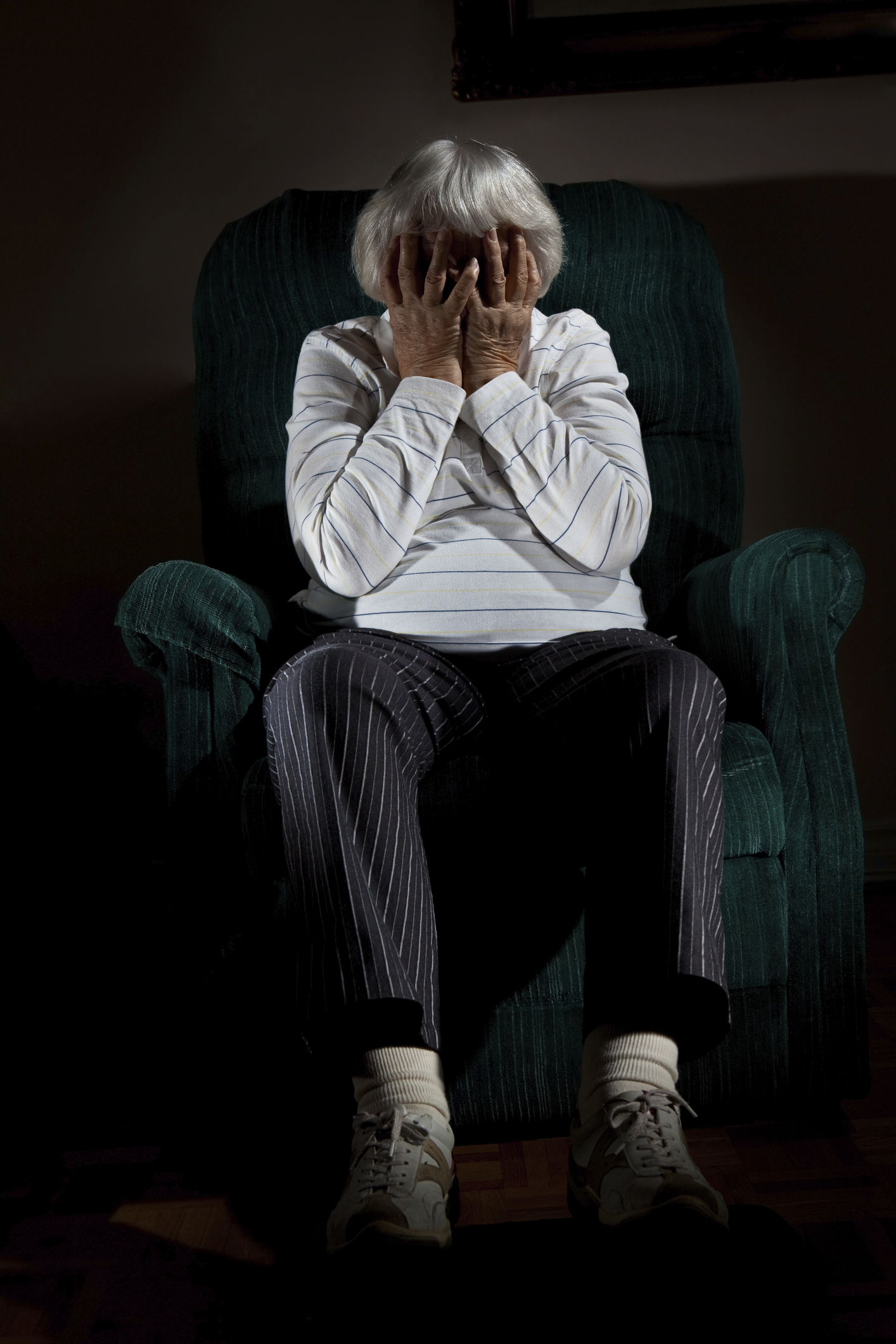


Dear Eric: I'm 82 years old. I live in a retirement home where I’ve made two close friends, Wilma and Janet.
Out of all of us, Wilma’s health is the worst. Her eyesight has taken a turn, and her hearing isn't what it used to be either.
Janet and I have tried to get her to visit her doctor (especially about her arthritis), but she is highly paranoid and thinks that the doctors are going to give her "pills that do nothing" and "run her for all that she's worth".
Janet, Wilma's husband, and I used to laugh it off as a stubborn quirk of hers, but now it's gotten more serious. Wilma's driving has become downright unwieldy, and she has been stacking up tickets, and she refuses to use the shared transportation provided by the home because she "doesn't know where they're taking her."
If she's not careful, she could lose her license for the second time, most likely permanently. How can Janet and I bring up this issue without her shutting down or invoking conspiracy theories? Or should we just step back and let her face the consequences of her own stubbornness?
– Worried Friend
Dear Friend: If Wilma is a danger to herself or others behind the wheel, it’s imperative that someone step in before anyone gets hurt. Most states’ Departments of Motor Vehicles have a site or phone number where you can anonymously request checks on suspected problem drivers. Call yours to see what your options are.
It’s not appropriate for me to speculate about the source of Wilma’s paranoia, but, whether it’s a quirk or a sign of a mental and/or physical issues, it’s something that needs treatment.
You, or Wilma’s husband, or both should try to have a frank, but kind conversation with her about it. “I understand that you’re distrustful of a lot of things and I respect that you want to feel comfortable. But some of your responses make us concerned. Would you let us help you find solutions?”
From here you can explore options such as a house call from a doctor, or seeing a doctor completely covered by her insurance. There may not be a perfect solution, because it sounds like her reality has been severely distorted. But an intervention may help her start to see an alternative to her current thinking.
Dear Eric: My oldest daughter was diagnosed with breast cancer at age 40. She’s married with three children and lives out of town but in the same region. She’s not a warm, huggy person but she has close relationships with her large extended family.
Her husband is definitely not welcoming but we maintain cordial interactions, especially in connection with the grandchildren. After her diagnosis, I started reading online articles about coping with breast cancer and sent her links. I was told this upset her and made her cry.
She then had her husband call me and her father with orders not to contact or visit her, saying that he could handle it all, and that all information regarding her illness would be transmitted through him. We were devastated but complied.
I’m conflicted as to whether the situation is yet another of her husband’s efforts to separate her from family or whether he is just trying to ensure she has a safe space to recover.
Recently I made an observation about a niece’s photo and out of the blue she sent me a scathing defensive message about not having opinions. I chalked it up to “roid rage” since she’s going through menopause.
After two years of being iced out, should I just give up on my daughter?
– Ignored Mom
Dear Mom: Your use of the phrase “yet another” with regard to the husband’s efforts to separate your daughter raises alarm bells. The past few years have, understandably, been incredibly difficult for her, physically and emotionally, and she may not have had the capacity to manage many relationships. But if you fear that her husband is purposefully inserting himself and keeping her from the rest of her family, you should find a way to speak with her in person and solo to see what’s going on.
Even if he’s not attempting to isolate her, which would be a dangerous form of emotional abuse, it’s still in your best interest to have a “no expectations” conversation with her. Try to do it in person and somewhere neutral, like out to lunch. Defer to her schedule as much as you can. And frame it as what it is: a sincere desire to check in and listen.
You may not get a yes from her right away. Try not to pressure. This relationship won’t mend itself overnight, so give yourself and her the space and grace you need to find common ground again.
(Send questions to R. Eric Thomas at eric@askingeric.com or P.O. Box 22474, Philadelphia, PA 19110. Follow him on Instagram and sign up for his weekly newsletter at rericthomas.com.)
©2026 Tribune Content Agency, LLC.













Comments