The Comfort Factor: Why Dogs Gravitate Toward Your Favorite Seat
Published in Cats & Dogs News
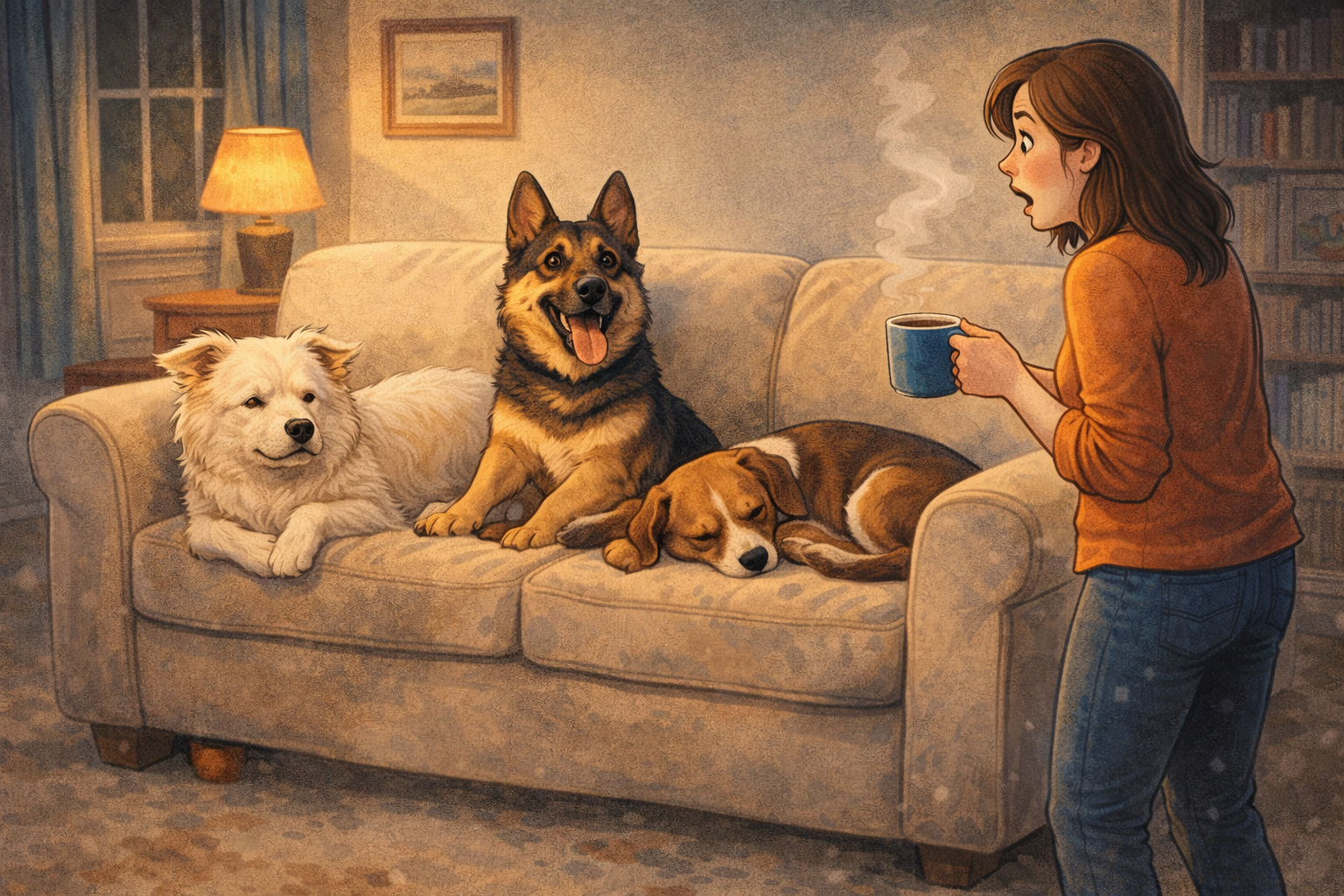
In many households, furniture follows an unspoken hierarchy. Certain chairs become “yours.” Specific corners of the couch feel familiar. A particular spot at the end of the bed becomes routine. And yet, the moment you step away, your dog often claims that exact location. When you return, it looks perfectly settled, as if it has always belonged there. This behavior is so common that many owners treat it as a joke, but it reflects a complex mix of biology, emotion, and learning.
At the most basic level, warmth plays a central role. Human bodies generate heat that transfers easily to cushions, blankets, and upholstery. When you leave your seat, you leave behind a pocket of residual warmth that can last several minutes. For dogs, especially those with short coats or aging joints, this warmth is highly appealing. Choosing it is an efficient way to conserve energy.
Comfort works alongside temperature. When you sit, you compress cushions and reshape fabric to match your body. This creates a temporary nest-like structure that supports another body more easily than untouched furniture. Dogs instinctively seek out these subtle changes. A used seat feels softer, more stable, and more inviting than a pristine one.
Scent may be the most powerful influence of all. Dogs rely on smell as a primary source of emotional information. Wherever you sit, you leave behind microscopic traces of skin cells, oils, and personal scent. When your dog moves into that space, it surrounds itself with the chemical signature of its primary attachment figure. This produces a calming effect similar to how familiar clothing comforts children.
From an evolutionary perspective, this behavior resembles denning instincts. Wild canids seek resting places that are warm, sheltered, and marked by trusted group members. Your favorite chair meets all three criteria. To a dog’s instincts, it represents premium territory within the shared living space.
There is also a social learning component. Dogs pay close attention to patterns of importance. They observe where you spend time, where you relax, and where you appear most content. Over time, they associate those locations with value. Sitting in your place becomes a way of participating in your routine.
Some dogs are reinforced unintentionally. Owners often laugh, talk to the dog, or engage in playful negotiations when the seat is taken. Even mild attention can strengthen the habit. The dog learns that occupying the spot produces interaction, which adds social reward to physical comfort.
Age and health influence the behavior as well. Senior dogs, dogs with arthritis, and dogs with circulation issues seek warmth more urgently. For them, a recently occupied seat may provide genuine physical relief. In these cases, spot-stealing is not mischievous; it is adaptive.
Personality also matters. Confident dogs are more likely to claim vacated spaces quickly. Cautious dogs may hesitate until they feel invited. Neither pattern indicates dominance in the outdated sense. Instead, it reflects different comfort levels with initiative.
Interestingly, many dogs surrender the seat easily when asked. This suggests the behavior is rarely about possession. It is opportunistic rather than territorial. The dog takes advantage of availability, not ownership.
Environmental factors contribute as well. Homes with limited soft furniture create competition for prime spots. Colder homes and drafty rooms increase the appeal of human-warmed areas. In such settings, the behavior becomes more pronounced.
Owners who prefer to limit seat-sharing can provide alternatives. Heated pet beds, favorite blankets, and designated resting places give dogs comparable comfort. Teaching a reliable “place” command offers a clear option that satisfies both parties.
Many people, however, choose to embrace the habit. It becomes part of household culture. The dog’s presence in one’s seat is interpreted as affection rather than intrusion.
In emotional terms, this behavior reflects closeness. Your dog chooses your space because it associates it with security, predictability, and belonging. It is not trying to replace you. It is trying to remain near you, even when you are briefly absent.
Seen this way, the stolen seat is not theft. It is borrowed comfort. It is warmth, scent, and familiarity wrapped into one small act of connection.
When you sit back down and your dog shifts to make room, the message is simple. This is shared space. This is shared life.
========
Celeste Armand is a journalist covering animal behavior, sensory science, and everyday companion-animal welfare. She specializes in translating research into practical insights for pet owners. This article was written, in part, utilizing AI tools.







Comments