Why Some Dogs Act Like They’re on Patrol 24/7
Published in Cats & Dogs News
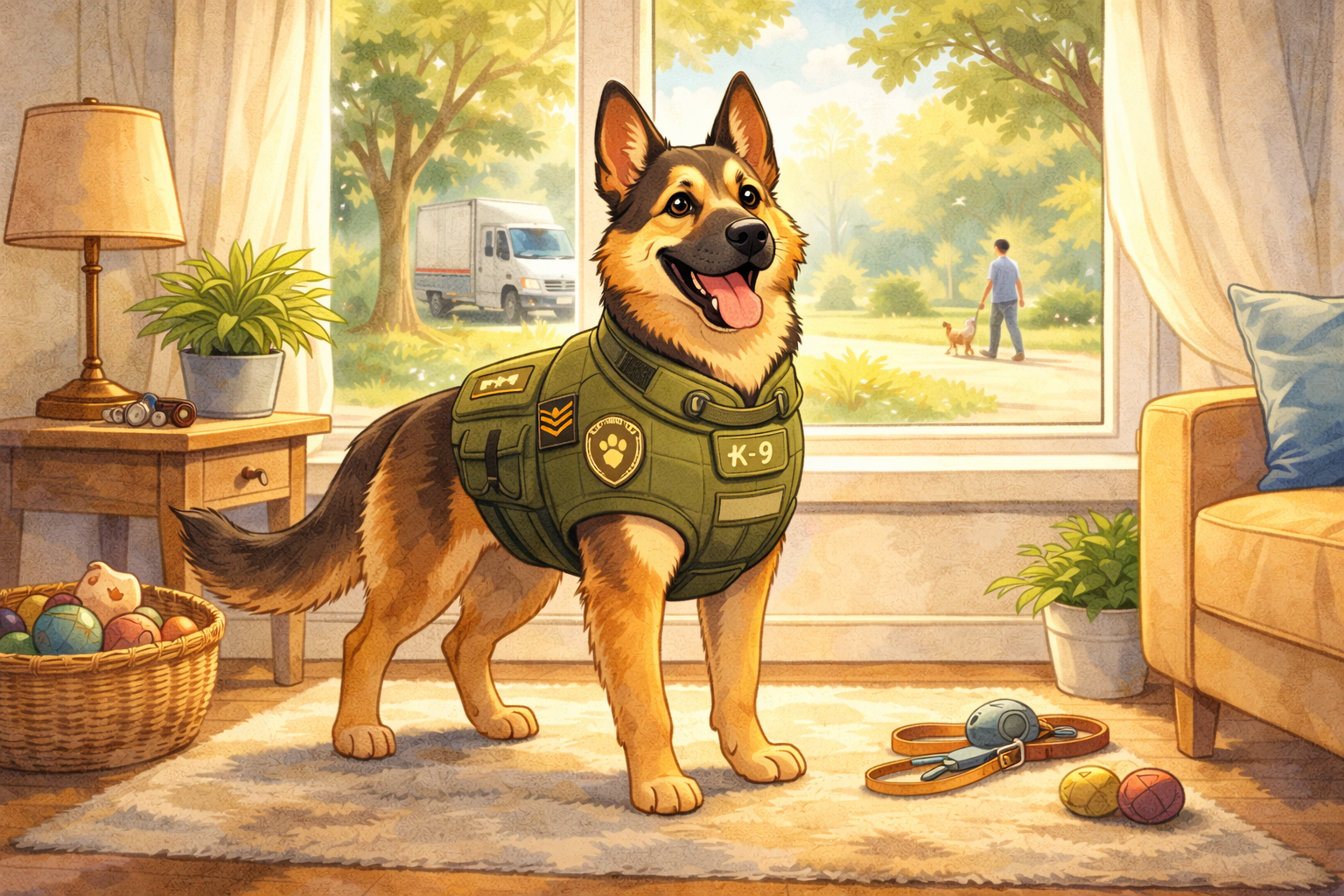
In many neighborhoods, there is at least one dog who seems to believe it has been officially appointed Chief of Security. It watches the street from the window, alerts the household to passing pedestrians, inspects every unfamiliar sound, and positions itself strategically near doors and fences. To owners, this constant vigilance can appear excessive. To the dog, it is simply part of the job.
Patrolling behavior is not a quirk of modern pet life. It is rooted in thousands of years of selective breeding and evolutionary history. Long before dogs became companions on couches and in bedrooms, they were partners in guarding camps, herds, and human settlements. The instinct to monitor territory remains deeply embedded in canine psychology.
Territory holds powerful meaning for dogs. It represents safety, resources, and social structure. Even in suburban homes or apartments, dogs construct mental maps of their surroundings that define what belongs to them and what does not. Doorways, yards, sidewalks, and windows become symbolic borders. When a dog barks at a passerby or tracks movement outside, it is responding to perceived activity within its assigned zone.
Breed history plays a significant role in shaping patrol behavior. Livestock guardians, herding dogs, and working breeds were specifically developed to monitor large areas and respond quickly to disturbances. German shepherds, border collies, Australian shepherds, and many terriers retain strong surveillance instincts. Even mixed-breed dogs often inherit elements of these traits.
However, patrolling is not limited to traditionally “guard” breeds. Many companion dogs develop similar habits through reinforcement and routine. A puppy who receives praise or attention for alert barking quickly learns that monitoring behavior is socially rewarded. Over time, the behavior becomes automatic, independent of conscious training.
Environmental factors also contribute. Homes located on busy streets, near sidewalks, or in apartment complexes expose dogs to constant visual and auditory stimulation. Each passing person, vehicle, or animal becomes a potential trigger. Without adequate outlets for physical and mental energy, dogs may channel excess alertness into hypervigilance.
Emotionally, patrol behavior often reflects a desire for control. Dogs are sensitive to uncertainty and unpredictability. Monitoring their surroundings provides a sense of stability. When they recognize patterns—mail carriers, neighbors, delivery trucks—they feel more secure. When patterns are disrupted, alertness increases.
Anxiety can intensify this tendency. Dogs who experience separation stress, past trauma, or inconsistent routines may become overly focused on guarding. In these cases, patrolling functions as self-soothing behavior. The dog attempts to manage perceived threats through constant awareness.
Interestingly, some dogs patrol quietly, while others vocalize constantly. Silent watchers rely on visual tracking and positioning. Vocal patrol dogs use barking as a deterrent and communication tool. Neither approach is inherently problematic, but excessive vocalization can strain relationships with neighbors and family members.
Training plays an important role in moderating patrol behavior. Teaching dogs reliable “quiet” cues, providing structured exercise, and offering enrichment activities help redirect vigilance into healthier outlets. Mental stimulation—such as puzzle feeders, scent work, and obedience games—reduces the need for constant environmental monitoring.
Owners can also reduce triggers by managing visual access. Frosted window films, adjusted blinds, and strategic furniture placement limit overstimulation without isolating the dog. Creating predictable daily routines further reduces anxiety-driven vigilance.
It is important to recognize that patrolling is not disobedience. It is an expression of purpose. Many dogs derive emotional satisfaction from feeling useful. Suppressing the behavior entirely may lead to frustration or depression. The goal is balance, not elimination.
Some owners intentionally give dogs “jobs” to replace excessive guarding. Carrying a backpack on walks, learning advanced commands, or participating in canine sports provides alternative ways to fulfill working instincts. These activities channel attentiveness into cooperative tasks.
As dogs age, patrol patterns often change. Younger dogs tend toward intense, frequent monitoring. Senior dogs may become more selective, focusing on familiar routines rather than constant surveillance. This shift reflects both physical changes and increased environmental confidence.
Ultimately, the dog on patrol is expressing loyalty, awareness, and evolutionary heritage. It is demonstrating a desire to protect its social group and territory. Understanding this perspective transforms annoyance into appreciation.
When owners learn to guide rather than suppress vigilance, they strengthen trust and emotional stability. The dog no longer feels solely responsible for security. Instead, it becomes part of a shared system of safety and companionship.
In that balance, the household gains not only peace and quiet, but a deeper partnership rooted in mutual understanding.
========
Nathaniel Brooks is a behavioral science writer who focuses on canine cognition, working dog history, and the psychology of human-animal relationships.
This article was written, in part, utilizing AI tools.








Comments