Reading the Wiggle: What Your Dog’s Tail Really Means
Published in Cats & Dogs News
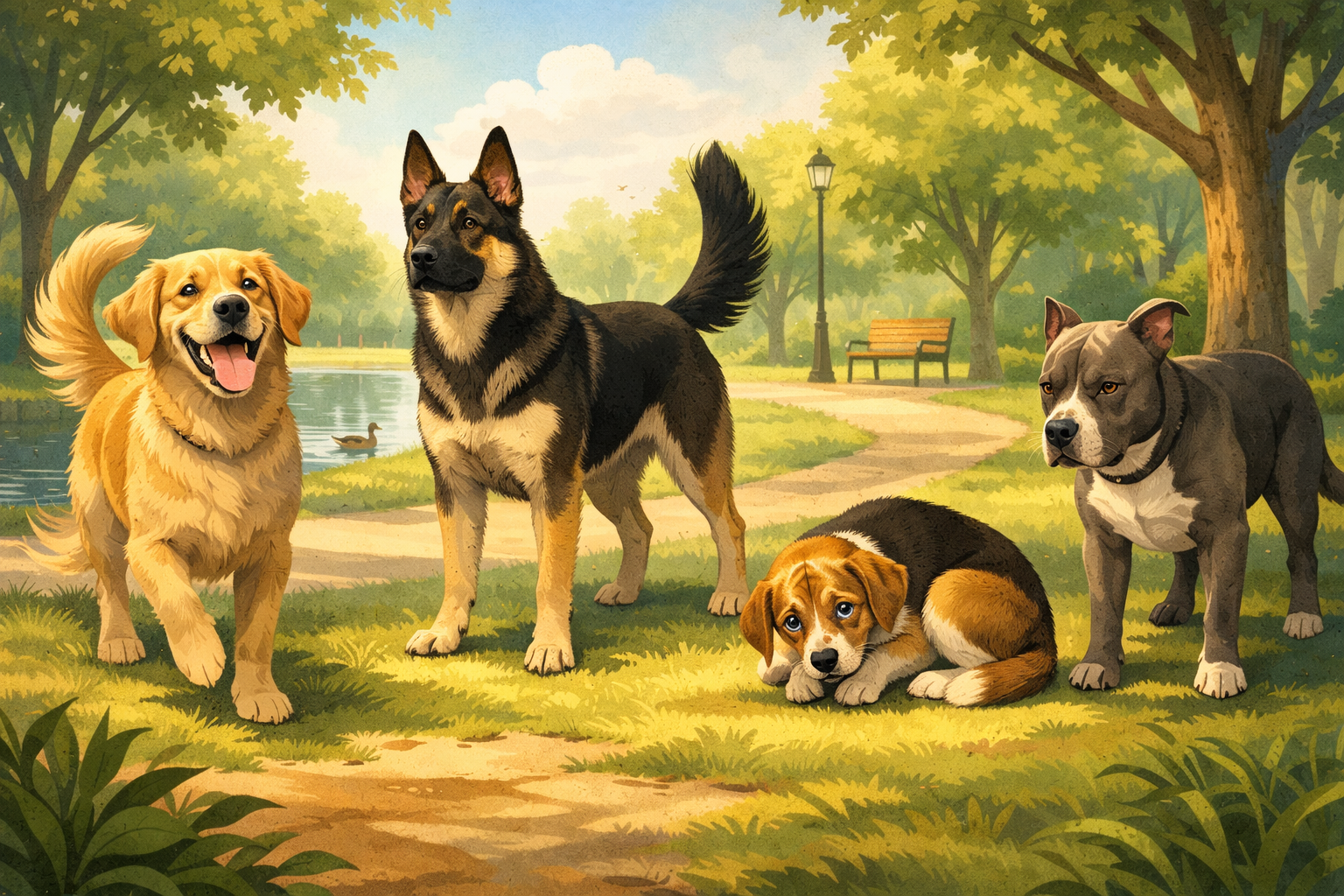
Few sights in the animal world are as universally associated with happiness as a wagging dog’s tail. To many owners, it seems like a simple emotional barometer: wagging means happy, still means sad, tucked means afraid. Yet canine tail language is far more complex than that familiar shorthand suggests. A dog’s tail operates as a sophisticated communication device, conveying emotional nuance, social intent, and internal conflict with remarkable precision.
Understanding this language allows owners to move beyond guesswork and develop more accurate interpretations of their dog’s moods and needs. It also reduces misunderstandings that can lead to stress, fear, or even aggression. Like spoken language, tail movement gains meaning through tone, context, and accompanying signals.
Wagging Is Not Always Happiness
Contrary to popular belief, a wagging tail does not automatically indicate joy. It signals emotional arousal, which can stem from excitement, anticipation, anxiety, frustration, or alertness. The direction, speed, and height of the wag determine its meaning.
A relaxed, side-to-side wag at mid-height often reflects friendly engagement. The dog is comfortable and socially open. In contrast, a stiff, high-held tail wagging rapidly in short motions may indicate tension or heightened alertness. In these cases, the dog is emotionally charged but not necessarily content.
Research has shown that dogs even wag asymmetrically. When feeling positive emotions, their tails tend to wag more to the right. When anxious or uncertain, wagging shifts slightly to the left. These subtle neurological patterns reveal how deeply emotional processing is embedded in tail movement.
Height Signals Confidence and Status
Tail height plays a crucial role in canine communication. A high, upright tail often reflects confidence, alertness, or social assertion. Dogs in this posture are paying close attention to their environment and assessing potential interactions.
Lower tail positions usually indicate relaxation or submission, depending on context. A naturally low-hanging tail in a calm dog suggests contentment. However, when combined with crouched posture and flattened ears, it signals fear or uncertainty.
Breed differences complicate interpretation. Some dogs, such as huskies and spitz breeds, naturally carry curled tails high. Others, like greyhounds, hold tails low by default. Effective reading requires familiarity with an individual dog’s baseline posture.
Speed Reveals Emotional Intensity
The speed of a wag reflects emotional energy. Slow, sweeping movements indicate calm interest. Rapid, vibrating wags suggest high excitement or agitation.
When a dog’s entire rear end moves with the tail, often called a “full-body wag,” it usually reflects genuine pleasure and social enthusiasm. This appears most often during greetings with trusted humans.
Short, fast wags confined to the tail tip, however, may signal impatience or nervous anticipation. The dog is emotionally engaged but uncertain about the outcome.
The Tucked Tail of Fear and Stress
A tail tucked tightly between the legs is one of the clearest indicators of fear. This posture protects vulnerable areas and minimizes the dog’s physical profile, an instinctive response to perceived threat.
Tucked tails appear during thunderstorms, veterinary visits, confrontations, or unfamiliar environments. They often accompany trembling, lip licking, yawning, and avoidance behaviors.
Chronic tail tucking may indicate long-term anxiety. In such cases, behavior modification and veterinary consultation can improve emotional well-being.
Stillness Can Be a Warning
One of the most misunderstood tail signals is complete stillness. When a dog freezes its tail in a rigid position, it is often experiencing intense focus or internal conflict.
This posture frequently precedes defensive behavior. The dog is evaluating whether to flee, submit, or respond aggressively. Owners who mistake this moment for calmness may miss a crucial warning sign.
Recognizing stillness allows intervention through distance and de-escalation before tension escalates.
Context Shapes Meaning
Tail signals cannot be interpreted in isolation. They must be read alongside facial expression, ear position, body posture, and situational context.
A high wag during play differs from a high wag during territorial guarding. A tucked tail at a noisy party differs from one during a veterinary exam. Meaning emerges from the full behavioral picture.
Dogs communicate in multi-channel systems. The tail is prominent, but never solitary.
How Humans Shape Tail Language
Human responses influence canine communication patterns. Dogs learn which signals produce desired outcomes. A dog rewarded for wagging enthusiastically may exaggerate that behavior. A dog punished for fearful postures may suppress visible signals, increasing risk of sudden reactions.
Attentive owners who respond calmly and consistently help dogs maintain clear, honest communication. Over time, this builds emotional transparency and trust.
Why Understanding Improves Safety and Trust
Misreading tail signals contributes to many preventable dog bites and behavioral conflicts. Assuming friendliness where tension exists places both humans and animals at risk.
Conversely, recognizing early stress signals allows owners to intervene gently, redirect attention, or remove a dog from uncomfortable situations. This fosters emotional security and reduces long-term anxiety.
Dogs communicate constantly. Learning their language is not about control. It is about listening.
The Tail as Emotional Biography
Over time, a dog’s tail behavior reflects its life history. Confident rescues may regain relaxed wagging. Previously anxious dogs may learn fuller expressions of joy. Aging dogs may show slower, gentler movements that mirror changing energy levels.
The tail becomes a living record of experience, relationship, and trust.
To watch it carefully is to witness the emotional life of another species unfolding in real time.
========
Maribel Hartwick is a freelance pet and science writer who explores animal behavior, cognition, and the evolving relationships between humans and their companion animals. This article was written, in part, utilizing AI tools.







Comments