
Asking Eric: Agnostic uncomfortable when asked for prayers
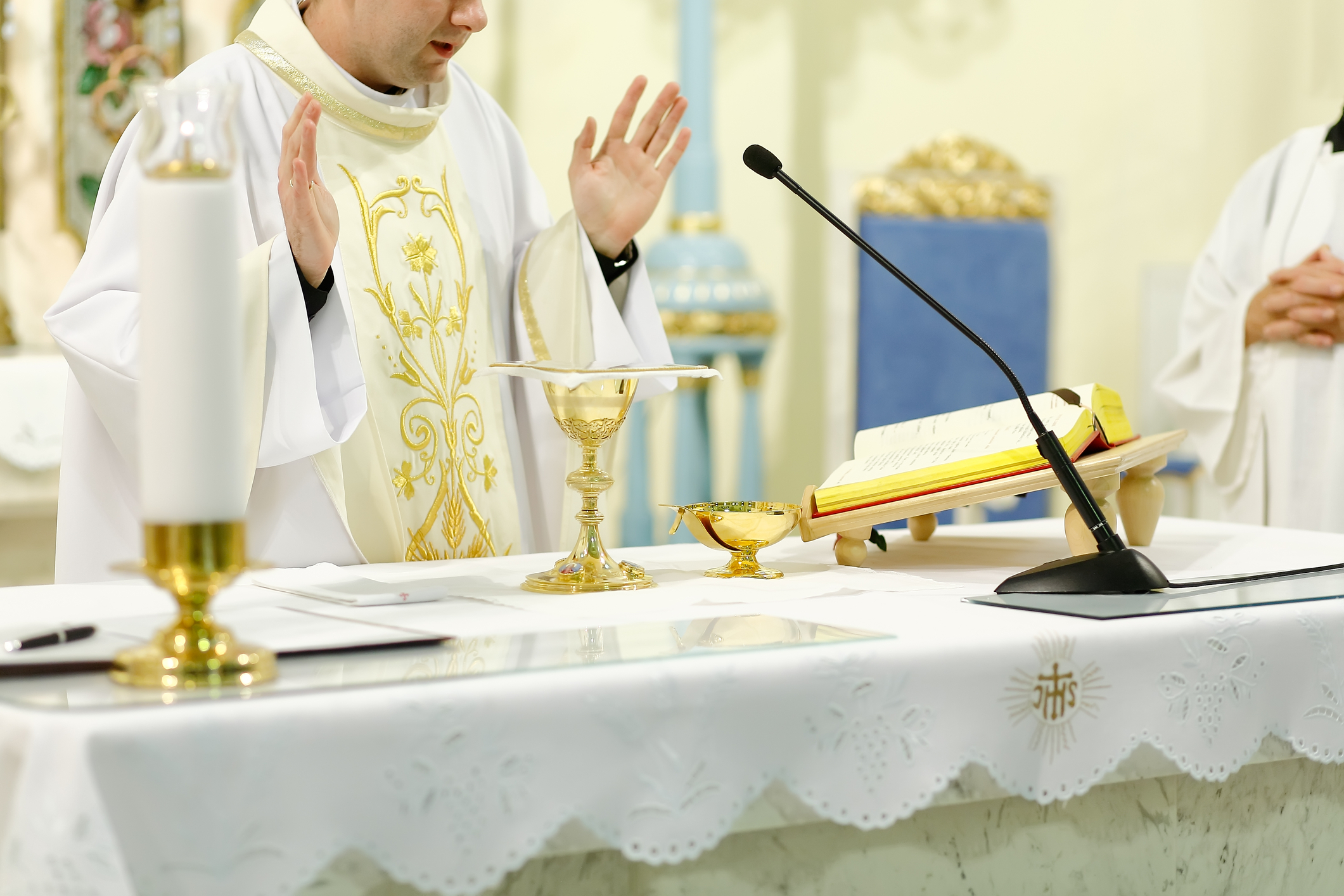


Dear Eric: I have many friends who are religious, mostly devout Catholics and born-again Christians. I do not personally hold religious beliefs. Decades ago, I was deeply Christian, but my thinking has shifted to believe there is likely no God watching over us.
I do respect other people’s beliefs and would never try and push my point of view on them. What I’m wondering is how to respond when people ask me to pray for them or otherwise agree that “God has a plan” or something similar. I don’t share the fact that I’m not a Christian anymore, because it seems to upset people. So how do I respectfully respond without denying my own beliefs?
– Not Religious
Dear Religious: Sometimes, when people ask for prayers, they preface with the phrase “if you’re the praying type,” or something of the sort. You might borrow and amend it in response to your friends by replying to their requests with “I’m not the praying type but…” and then offer what support you feel comfortable giving. This could, of course, prompt questions about what kind of type you are. You could then choose to share how your thinking has changed, or you could choose to focus on sharing what you do hold dear when faced with life’s uncertainty. What they’re looking for is a word of encouragement and support. It doesn’t have to be spiritual.
Dear Eric: I recently read the question from “Perplexed in PA” about the shared care of the mother between Perplexed and a sibling. Perplexed is wanting to go to Europe on vacation, but mom only wants the two children caring for her. One possibility to explore is to see if there is a care facility nearby that could do respite care during the vacation period, whether that's an assisted living facility or a foster care home.
This could give Perplexed the opportunity for the vacation, and the sister to have some "time away" from caregiving for mom, as she already does 24/7 care for her medically fragile husband.
Such a solution would give mom a new perspective on her care. Obviously, mom needs to be given the options in this situation and allowed to make her own decisions, but those options can be framed in such a way that mom has to decide the option within the framework of allowing her children their autonomy as well. My wife and I took in her mom when she could no longer take care of herself, and we had a weekend away about once a month, plus a bit longer vacation each year. It took a while to find the right situation that met her needs.
If Perplexed's mom is in a health care system, a social worker may be able to make some recommendations of a few facilities that could potentially help.
– Been There, Done That, Became the Favorite Son-in-Law
Dear Been There: Thank you for this great suggestion. Respite care may be an option that empowers everyone involved.
Dear Eric: I would like to offer a suggestion for “Grieving Daughter and Mom”, who was afraid her son, who suffered from alcoholism, would make a scene at her father’s funeral.
My husband and I went to a local funeral home, and this funeral home offered their staff member to essentially be a security guard for our son's funeral because of my concerns related to my parents and their own substance use issues and what they may do during the service. This staff member was a quiet, gentle giant that our friends and relatives didn't know of or about.
I would suggest to this mother to rely on extended relatives, funeral home staff, church members or even consider outsourcing the handling of any concerns.
The son from today's column should not feel like a burden and shouldn't be treated as such. He should be surrounded by loved ones who will and can also give him the space to grieve, because that is his right, too.
I like the suggestion of having the son come to the viewing early, but he may feel singled out and isolated. Having someone to "suss out" a grandson who may be "under the influence" before even entering the services, away from the mother, can be helpful. Having a separate room to have this man handle his emotions may be helpful too.
– Help for Grieving
Dear Grieving: Thank you for this suggestion. Your letter reminds me of the resourcefulness and the breadth of experience that many funeral directors have. Raising this concern to the funeral director is a great option as that person may have encountered a similar situation and be fully prepared to help walk the family through it with sensitivity to the needs of all involved.
(Send questions to R. Eric Thomas at eric@askingeric.com or P.O. Box 22474, Philadelphia, PA 19110. Follow him on Instagram and sign up for his weekly newsletter at rericthomas.com.)
©2026 Tribune Content Agency, LLC.













Comments